
Siddaramaiah Resignation: Archived May 2026 Brief
Archived duplicate of the May 2026 Siddaramaiah resignation report. Read the main corrected account for constitutional context and source references.
On this page
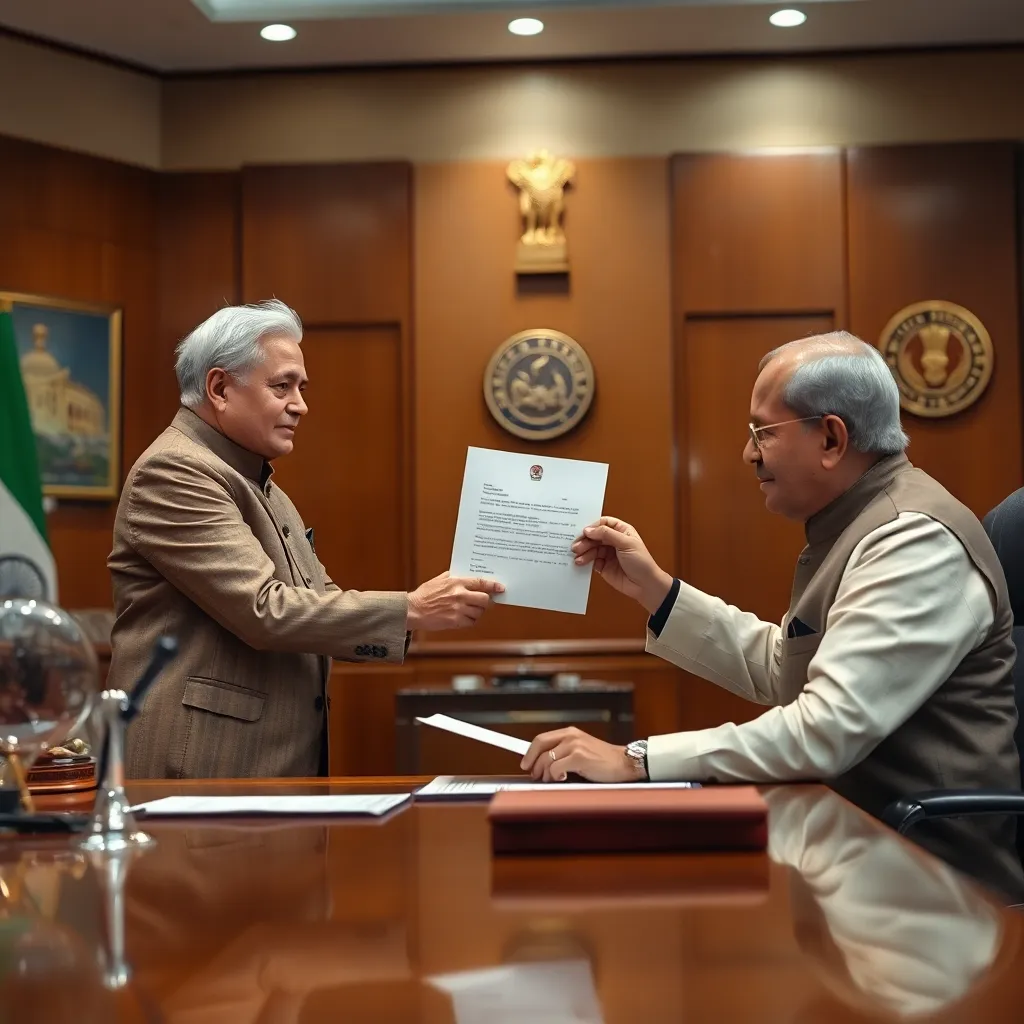
Archive copy: This earlier brief is retained at its original URL. Read the main corrected report on Siddaramaiah’s May 2026 resignation.
Historical report: 28 May 2026. This page covers the resignation report published on that date. It was corrected on 1 October 2026 to distinguish the reported succession from a confirmed appointment and to correct Karnataka’s legislative structure.
What was reported on 28 May 2026?
The Week’s report dated 28 May 2026 said Siddaramaiah submitted his resignation as Karnataka Chief Minister at Lok Bhavan. He said he had followed the Congress leadership’s decision and expressed hope that Governor Thaawarchand Gehlot would accept his resignation.
The same report described a breakfast meeting at his residence where he informed cabinet colleagues of his decision. D.K. Shivakumar attended and was described as a possible successor. The announcement to colleagues, submission of a resignation and appointment of a successor are separate steps. This historical report does not establish the date of a subsequent swearing-in.
Which constitutional provisions matter?
Under Article 164(1), the Governor appoints the Chief Minister and appoints other ministers on the Chief Minister’s advice. Article 164(2) makes the Council of Ministers collectively responsible to the state’s Legislative Assembly. These provisions should be distinguished from a party’s internal leadership discussions. Constitution of India, Article 164.
Karnataka has a bicameral legislature
Karnataka’s legislature includes the Governor and two Houses: the Legislative Assembly and the Legislative Council. This structure is set out in Article 168. The state’s official Legislative Council website also documents the upper House.
Correction: An earlier version incorrectly called Karnataka’s legislature unicameral. It also presented D.K. Shivakumar’s succession as settled, although the cited contemporary report described him as a possible successor. Those statements have been corrected.
Exam revision points
Article 164 concerns the appointment of state ministers and the Council of Ministers’ responsibility to the Assembly.
Article 168 concerns the composition of state legislatures.
Bicameral means two legislative Houses: in Karnataka, the Assembly and the Council.
When studying a leadership change, keep the announcement, resignation submission and successor’s appointment dates separate.
For related revision, read our Indian Constitution key facts.
Sources & Further Reading
| Document / Website | Link |
|---|---|
| Siddaramaiah resignation report, 28 May 2026 — The Week | Open Siddaramaiah resignation report, 28 May 2026 — The Week ↗www.theweek.in |
| Constitution of India: Articles 164 and 168 | Open Constitution of India: Articles 164 and 168 ↗www.legislative.gov.in |
| Karnataka Legislative Council: Official website | Open Karnataka Legislative Council: Official website ↗kla.kar.nic.in |