
Maharashtra Bans Sale of High-Caffeine Energy Drinks Near Schools
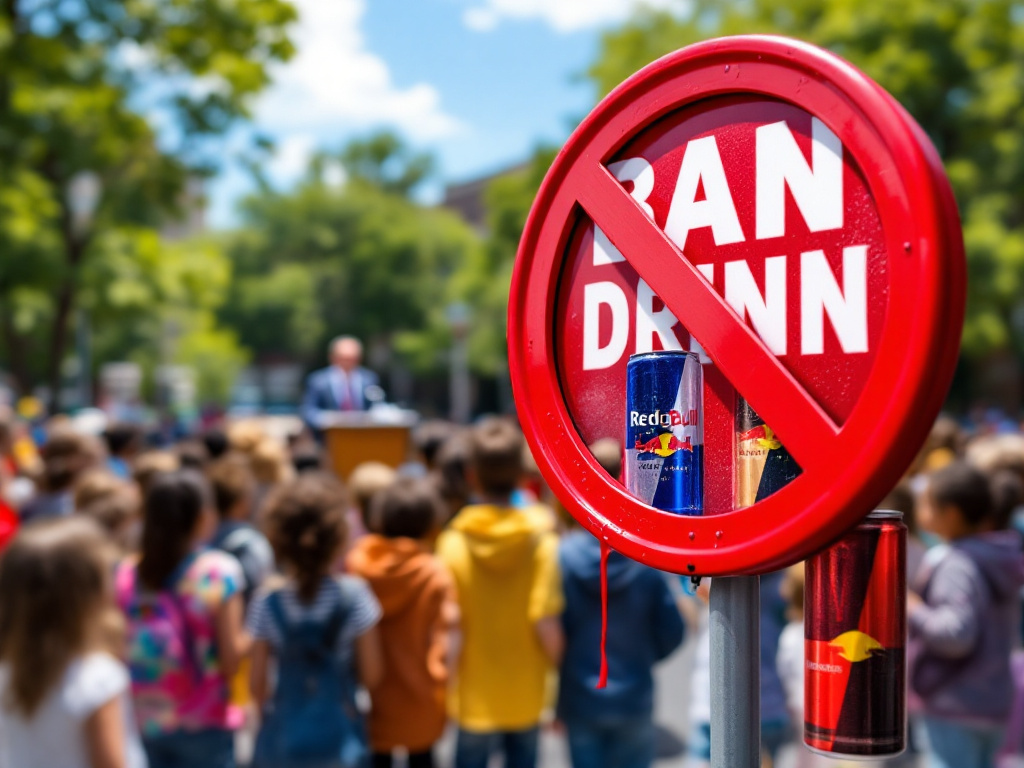
On 3 July 2026, the Maharashtra government banned the sale of Sting energy drinks and other high-caffeine energy drinks within a 500-metre radius of all schools across the state to protect children's health. The Food and Drug Administration Minister Narhari Zirwal announced this decision in the Vidhan Sabha during the monsoon session. The Food and Drug Administration (FDA) was directed to enforce the ban and take immediate action against violators, while schools were tasked with conducting awareness programs about the health risks of these drinks. The Food Safety and Standards Authority of India (FSSAI) also issued notices to major beverage brands such as Sting, Red Bull, Monster Energy, Hell Energy, and Campa Energy for misleading labeling, as the category “energy drink” is not a notified standard under Indian food safety laws.
On this page
Key Facts
- Date of ban announcement: 3 July 2026
- Ban coverage: Sale of Sting and other high-caffeine energy drinks banned within a 500-metre radius of all schools in Maharashtra.
- Announced by: Food and Drug Administration (FDA) Minister Narhari Zirwal in the Maharashtra Vidhan Sabha during the monsoon session.
- Enforcement: Maharashtra FDA tasked to enforce the ban with immediate action against violators.
- Awareness initiatives: Schools instructed to conduct programs about the health risks of energy drinks, which typically contain high caffeine and sugar levels.
- FSSAI regulatory action: Notices sent to major beverage companies including Sting, Red Bull, Monster Energy, Hell Energy, and Campa Energy for mislabeling and misleading claims, as 'energy drink' is not a recognized food standard category under Indian regulations.
Background & Context
Energy drinks often contain caffeine levels that can pose health risks, especially to children and adolescents, such as addiction, increased heart rate, and other adverse effects. Despite the caffeine content regulations (maximum caffeine limits in carbonated beverages of 145 ppm), there is no notified standard for the 'energy drink' category under Indian food safety laws. Consequently, food regulators and the Maharashtra government have moved to limit the availability of these drinks near schools and crack down on misleading marketing. The FSSAI has highlighted that claims like "stimulates mind" or "boost energy" are not permissible under the Food Safety and Standards Act 2006.
Why This Matters for Exams / Exam Relevance
This recent government policy is relevant for candidates preparing for Indian administrative and state-level competitive exams, particularly those focusing on current affairs related to health policies, food regulation, and child welfare. It demonstrates state-level regulatory responses to emerging public health concerns and the role of regulatory bodies like the FDA and FSSAI. Understanding the nuances of food laws, public health measures, and consumer protection policies is essential for questions in general studies papers.
Points to Remember
- Maharashtra banned sale of Sting and other high-caffeine energy drinks within 500 metres of schools statewide as of 3 July 2026.
- FDA Minister Narhari Zirwal announced the ban and directed strict enforcement through the FDA department.
- The ban targets products with high caffeine and sugar content due to health risks to children.
- Schools are involved in awareness campaigns to educate students on these health risks.
- The FSSAI has issued notices to multiple beverage brands for mislabeling and misleading claims related to “energy drinks.”
- Under Indian food regulations, “energy drink” is not yet a notified food category, leading to regulatory challenges.
- The Maharashtra government plans further campaigns against harmful energy drinks and invests in enhancing food testing infrastructure.
- The ban was influenced by concerns raised by BJP MLA Vikram Pachpute in the legislative assembly regarding the health hazards of these drinks among school children.
Sources & Further Reading
| Document / Website | Link |
|---|---|
| Maharashtra bans sale of high-caffeine energy drinks near schools - Telangana Today | Open Maharashtra bans sale of high-caffeine energy drinks near schools - Telangana Today ↗telanganatoday.com |
| Sting energy drink ban: Maharashtra bars sales within 500 metres of schools - India Today | Open Sting energy drink ban: Maharashtra bars sales within 500 metres of schools - India Today ↗www.indiatoday.in |
| FSSAI Issues Notices to Top Brands for Misleading Energy Drink Claims - Indian Express | Open FSSAI Issues Notices to Top Brands for Misleading Energy Drink Claims - Indian Express ↗indianexpress.com |
| Food Safety and Standards Authority of India Report on Energy Drink Standards | Open Food Safety and Standards Authority of India Report on Energy Drink Standards ↗fssai.gov.in |