
Nauru Officially Renames Itself as Republic of Naoero
The Pacific island nation of Nauru officially adopted the name 'Republic of Naoero' on July 31, 2026, following a constitutional amendment passed by its parliament in May 2026. The change reflects the indigenous name of the island, emphasizing cultural identity and the preservation of the Nauruan language (dorerin Naoero), which UNESCO classifies as severely endangered. The United Nations was formally notified on June 26, 2026, and the country's three-letter code was updated to NRO. Nauru remains the world’s third-smallest sovereign state by area, located in Micronesia with no official capital city and a parliamentary republic system of government using the Australian dollar as currency.
On this page
Key Facts
- Official name changed to Republic of Naoero on July 31, 2026.
- The name change was confirmed by President David Adeang following a constitutional amendment passed in the parliament in May 2026.
- "Naoero" is the island's indigenous name; "Nauru" is a colonial-era name alteration.
- The country code was changed to NRO, and citizens are referred to as dei-Naoero.
- The United Nations received formal notification of the name change on June 26, 2026, and has begun updating official records.
- Nauru has a population of about 12,000 and is the world's third-smallest sovereign state by area, after Vatican City and Monaco.
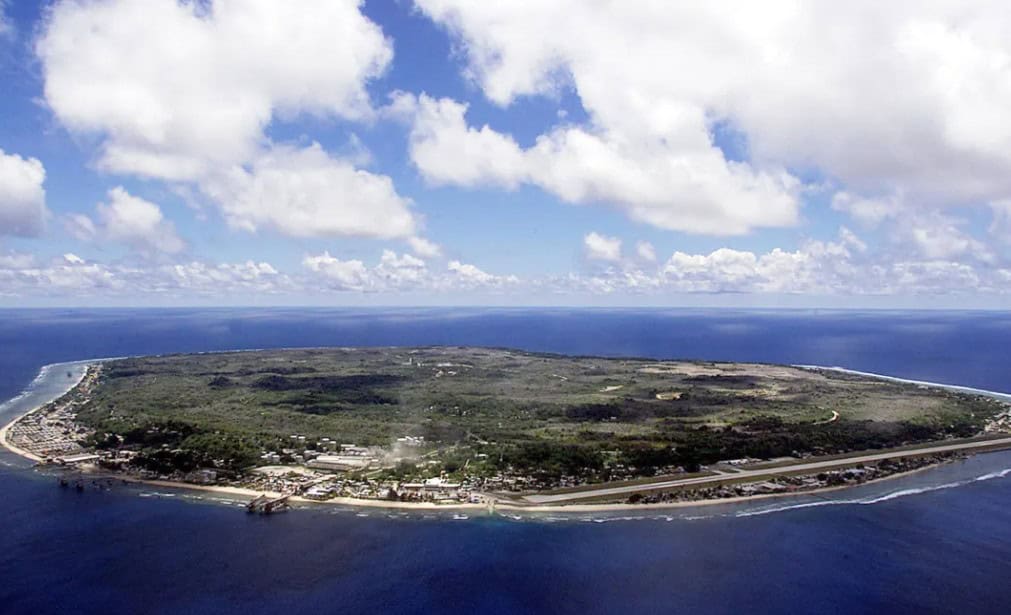
- Located in Micronesia in the central Pacific Ocean, it covers about 21 square kilometers of land area.
- The country does not have an official capital; however, government offices are located in the Yaren District, which serves as the de facto administrative center.
- Political system is a parliamentary republic with a president as both head of state and head of government.
- The official currency is the Australian dollar.
- The Nauruan language (dorerin Naoero) is classified by UNESCO as severely endangered due to limited intergenerational transmission.
Background & Context
The renaming of Nauru to Republic of Naoero is a significant cultural and political step aimed at reclaiming the indigenous identity of the island nation. "Naoero" is the original indigenous name, and the previous name "Nauru" was a colonial alteration introduced during European contact. This change aligns with growing global efforts to preserve indigenous languages and cultures, particularly as the Nauruan language faces critical endangerment.
The government decided against conducting a national referendum, treating "Naoero" as the existing indigenous identity of the people rather than a new name requiring public approval. The constitutional amendment formalized the name change, underscoring official recognition and international diplomatic adjustment. The United Nations' prompt update of records supports this recognition on a global scale.
The island is a single-island country in Micronesia, consisting of approximately 21 square kilometers, making it the third smallest sovereign state globally. Despite the lack of an official capital city, the Yaren District houses the government offices and serves administrative functions. Nauru operates a parliamentary republic system, with a president acting as both head of state and government, and uses the Australian dollar as its currency.
Why This Matters for Exams / Exam Relevance
This recent development is relevant for competitive exams covering topics such as current affairs, geography, international relations, cultural identity, and constitutional law. Questions may test knowledge of changing country names, indigenous rights, language preservation status, and the administrative details of small island nations. Dates and details of constitutional amendments, the role of the United Nations in official recognitions, and understanding of geopolitical contexts in the Pacific may also be covered.
Points to Remember
- On July 31, 2026, Nauru officially became the Republic of Naoero through parliamentary constitutional amendment.
- President David Adeang confirmed the change, which avoids a national referendum by affirming indigenous identity.
- The country code changed from "NRU" to "NRO," and citizens are now called dei-Naoero.
- The United Nations was notified on June 26, 2026, and has begun updating official documents.
- Nauruan language (dorerin Naoero) is classified as severely endangered by UNESCO.
- Nauru is located in Micronesia in the central Pacific, with no official capital city; Yaren District functions as the administrative center.
- It is the third smallest sovereign nation in the world by area, after Vatican City and Monaco.
- The political system is a parliamentary republic with the president as head of state and government, and the currency is the Australian dollar.
Sources & Further Reading
| Document / Website | Link |
|---|---|
| Nauru Becomes Republic of Naoero - GKToday | Open Nauru Becomes Republic of Naoero - GKToday ↗www.gktoday.in |
| UNESCO Atlas of the World's Languages in Danger | Open UNESCO Atlas of the World's Languages in Danger ↗unesco.org |
| Political structure of Nauru - CIA World Factbook | Open Political structure of Nauru - CIA World Factbook ↗www.cia.gov |