
Bangladesh's Khalilur Rahman Elected President of 81st UN General Assembly
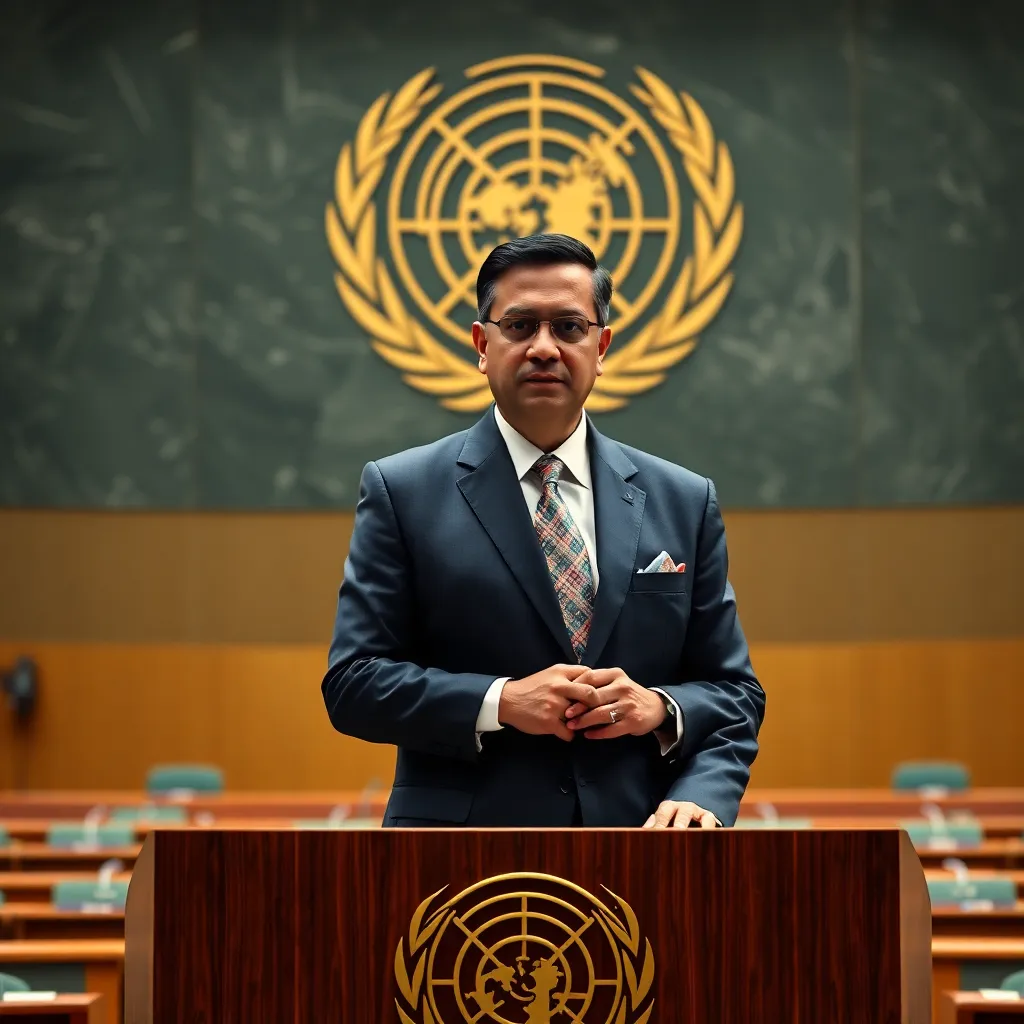
On June 2, 2026, Bangladesh’s Foreign Minister Dr. Khalilur Rahman was elected President of the United Nations General Assembly for its 81st session. He won 99 votes out of 190 ballots cast, defeating Andreas S. Kakouris of Cyprus, who received 91 votes. The 81st session will begin on September 8, 2026. The presidency was allocated to the Asia-Pacific Group as per the UN's regional rotation system. Dr. Rahman brings over 40 years of diplomatic experience and has previously served as Bangladesh's National Security Adviser and as High Representative on the Rohingya Issue. The UNGA President serves a one-year term, presides over plenary meetings, manages the session agenda, and facilitates discussions among member states. The position is separate from the UN Secretary-General.
On this page
Key Facts
- The election occurred on 2 June 2026 at the United Nations Headquarters in New York.
- Dr. Khalilur Rahman of Bangladesh was elected President of the 81st UN General Assembly session, securing 99 votes out of 190.
- His main opponent, Andreas S. Kakouris of Cyprus, obtained 91 votes.
- The 81st session of the UN General Assembly commences on 8 September 2026.
- Presidency was designated to the Asia-Pacific Group following the UN's regional rotation policy.
- The UN General Assembly has 193 member states as of 2026.
- The President of the General Assembly serves a one-year term.
Background & Context
The President of the United Nations General Assembly is elected annually through a secret ballot by member states, with the outcome requiring a simple majority. The presidency rotates among five regional groups: African, Asia-Pacific, Eastern European, Latin American and Caribbean, and Western European and other States. For the 81st session, the Asia-Pacific Group was allocated the presidency. The President's duties include presiding over plenary meetings, managing the assembly's agenda, and facilitating international discussions among member states. This role is distinct from the UN Secretary-General and is one of the key leadership positions within the UN system. Dr. Khalilur Rahman’s extensive diplomatic background strengthens Bangladesh’s profile on the international stage.
Why This Matters for Exams / Exam Relevance
This event represents an important example of the UN's election process, regional rotation system, and leadership structure—topics that frequently appear in international relations and current affairs sections of UPSC and other competitive exams. The election of a representative from Bangladesh reflects geopolitical developments and rising significance of Asia-Pacific states in global diplomacy. Exam questions may address the election date, voting results, term details, functions and powers of the UNGA President, regional rotation system, and notable office holders like Dr. Khalilur Rahman.
Points to Remember
- The President of the UN General Assembly is elected for a one-year term by a secret ballot among 193 member states.
- Election for the 81st session took place on 2 June 2026; the session begins on 8 September 2026.
- The Asia-Pacific Group held the presidency for this session as per the UN’s regional rotation system.
- Dr. Khalilur Rahman from Bangladesh was elected with 99 votes, defeating the Cypriot candidate who received 91 votes.
- The President presides over plenary meetings, manages session agendas, and facilitates dialogue among member states, separate from the Secretary-General.
- The UN General Assembly is one of the six principal organs of the United Nations.
- Dr. Rahman has over 40 years of diplomatic and multilateral experience, including as Bangladesh’s National Security Adviser and High Representative on the Rohingya Issue.
Sources & Further Reading
| Document / Website | Link |
|---|---|
| Bangladesh elected to lead 81st UN General Assembly session | Open Bangladesh elected to lead 81st UN General Assembly session ↗www.gktoday.in |
| Election of the President of the United Nations General Assembly at its 81st Session | Open Election of the President of the United Nations General Assembly at its 81st Session ↗www.un.org |
| UN General Assembly - Rules of Procedure - President and Vice-Presidents | Open UN General Assembly - Rules of Procedure - President and Vice-Presidents ↗www.un.org |
| President of the United Nations General Assembly - Wikipedia | Open President of the United Nations General Assembly - Wikipedia ↗en.wikipedia.org |