
Nelangur Village in Chhattisgarh Gets Tap Water under Jal Jeevan Mission, Signaling Abujhmarh's Transformation
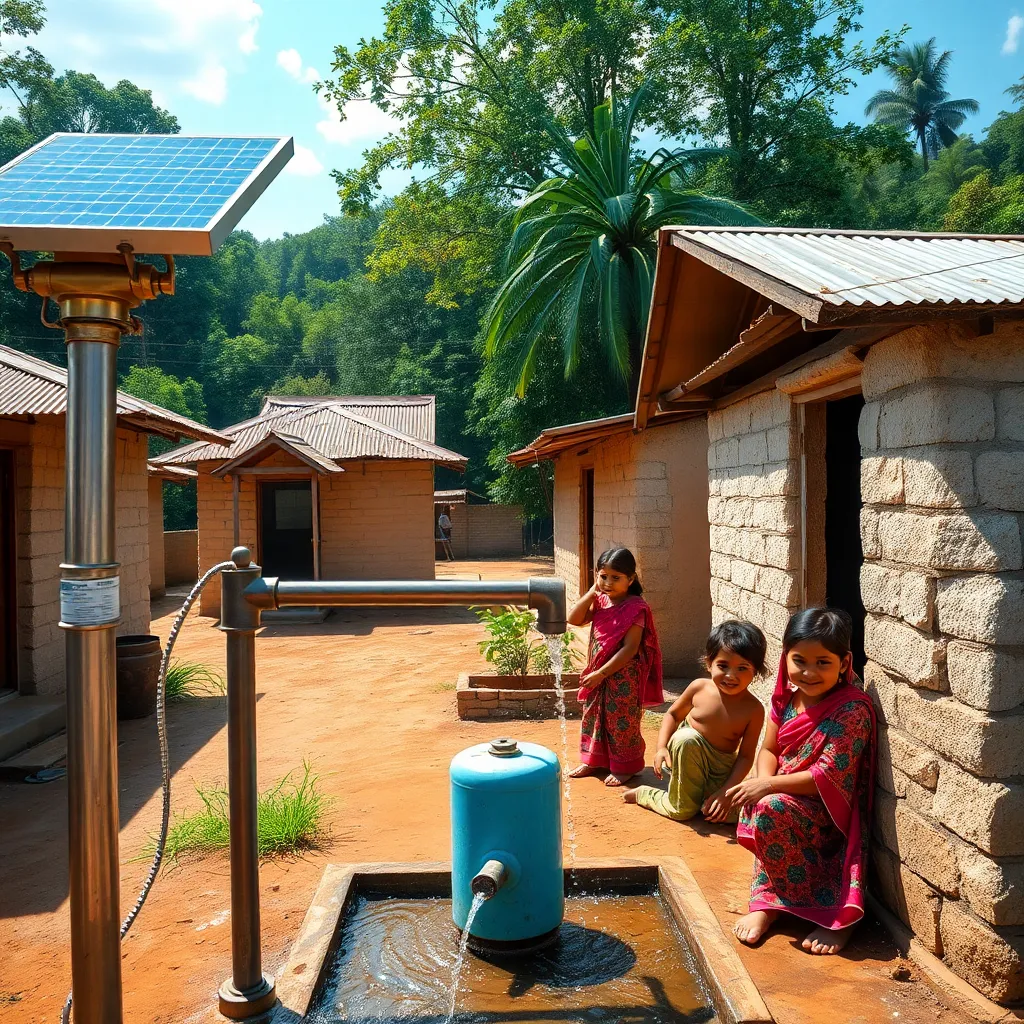
Nelangur, a remote village in Narayanpur district, Chhattisgarh, located deep inside the forested and historically Left-Wing Extremism (LWE) affected Abujhmarh region, has received household tap water connections for the first time under the Jal Jeevan Mission. Using a solar-powered water supply system, clean water is piped directly to 35 households, ending the need for residents, especially women, to travel long distances to fetch water. This initiative demonstrates improved security and governance in the area, marking a major infrastructure and social development milestone amid ongoing efforts to bring stability and connectivity to previously isolated tribal areas.
On this page
Key Facts
- Nelangur is a remote, hilly village in Narayanpur district of Chhattisgarh, situated about 52 km from the district headquarters and close to the Maharashtra border.
- The village has a population of approximately 115 people across 35 families.
- Before, villagers depended on streams for water, requiring long and risky travel through dense forests, especially for women.
- Under the Jal Jeevan Mission, a water supply system using a solar-powered pump lifts water from the source and supplies it through pipelines directly to individual households.
- The solar-powered system reduces reliance on electricity, which is absent or unreliable in the village currently.
- The village currently lacks electricity lines and mobile network coverage; however, efforts and infrastructure development such as the construction of National Highway 130D are underway to improve connectivity.
- Security forces established a police camp in April 2025 in Nelangur, reducing Maoist and Left-Wing Extremist influence and enabling improved governance and development.
Background & Context
Abujhmarh is a dense forest and hilly region within the Bastar area of Chhattisgarh, historically affected by Maoist insurgency and Left-Wing Extremism activities since the 1980s, which resulted in isolation, underdevelopment, and lack of basic services. Due to security concerns and difficult terrain, development initiatives and delivery of services such as potable drinking water, electricity, roads, and healthcare were limited or absent.
The Jal Jeevan Mission, launched at the national level, aims to provide safe and adequate drinking water through household tap connections to all rural households by 2024. Leveraging solar-powered pumps has been identified as a sustainable solution for remote off-grid areas like Nelangur, ensuring continuous water supply without dependence on an electricity grid.
Why This Matters for Exams / Exam Relevance
This case is a pertinent example illustrating how central government schemes such as the Jal Jeevan Mission reach remote tribal villages previously affected by Left-Wing Extremism to provide essential basic services, thereby enhancing quality of life and governance. It underscores the role of improved security in enabling infrastructure development in conflict-affected areas.
Furthermore, the use of renewable energy technology, particularly solar-powered water pumps, highlights India's approach towards sustainable rural development. This example is important for questions on rural development schemes, conflict zone rehabilitation, governance, sustainable technology integration, and tribal welfare.
Points to Remember
- Jal Jeevan Mission’s objective is to provide safe tap water to every rural household in India by 2024.
- Abujhmarh region in Bastar was a Maoist stronghold for decades but saw major reduction in LWE activities following security improvements, including police presence established in 2025.
- Solar-powered water pumping is an effective solution for off-grid rural areas lacking reliable electricity.
- Availability of tap water at home reduces the physical and security burden on villagers, especially women and children, by eliminating the need to collect water from distant sources.
- Infrastructure projects like National Highway 130D under construction will enhance connectivity and economic opportunities in Bastar's remote areas.
Sources & Further Reading
| Document / Website | Link |
|---|---|
| Nelangur Gets Tap Water Signalling Abujhmarh’s Transformation | Open Nelangur Gets Tap Water Signalling Abujhmarh’s Transformation ↗www.gktoday.in |
| From Maoist stronghold to tap water: Remote Abujhmad village gets home supply | Open From Maoist stronghold to tap water: Remote Abujhmad village gets home supply ↗indianexpress.com |
| Development in Left Wing Extremism (LWE) affected areas | Open Development in Left Wing Extremism (LWE) affected areas ↗www.pib.gov.in |
| Role of Solar-powered water systems in rural India | Open Role of Solar-powered water systems in rural India ↗www.iisd.org |