
New Butterfly Species Euthalia zubeengargi Discovered in Arunachal Pradesh
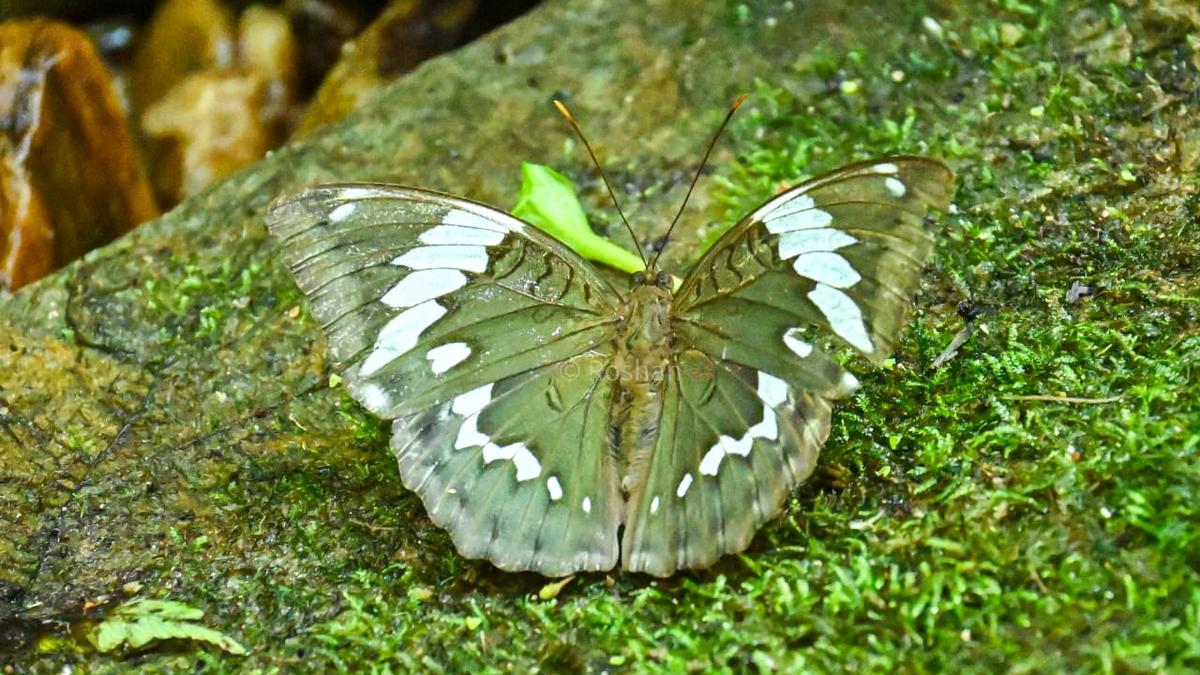
Euthalia zubeengargi is a newly identified butterfly species discovered in 2025 in the semi-evergreen forests of Basar, Leparada district, Arunachal Pradesh. This species, exhibiting distinctive wing patterns, is part of the genus Euthalia—a group of brown-winged forest butterflies widespread in South and Southeast Asia. Found at elevations from 600 to 750 meters, E. zubeengargi favors cool and shaded forest interiors and exhibits typical behaviours such as feeding on tree sap and mineral uptake near streams. Its discovery underscores Arunachal Pradesh’s rich biodiversity and the ecological importance of northeastern India as a hotspot for unique species. Butterflies like E. zubeengargi also serve as bio-indicators reflecting forest ecosystem health, emphasizing the need for conservation of fragile habitats. The species was aptly named in honor of Zubeen Garg, an influential cultural icon from Assam, linking regional culture with biodiversity research.
On this page
Key Facts
Species: Euthalia zubeengargi
Discovery Year: 2025
Location: Basar region, Leparada district, Arunachal Pradesh
Habitat: Semi-evergreen forests at elevations of 600–750 m
Named After: Zubeen Garg, celebrated Assamese cultural icon
Genus Characteristics: Butterflies of genus Euthalia have earthy brown wings with pale spots; commonly found in forest habitats across South and Southeast Asia
Behavior: Prefers cool, shaded forest interiors; active mainly late morning to early afternoon; rests on low vegetation; feeds on tree sap; collects minerals from damp surfaces near streams
Observation Notes: Only two males documented despite months of surveys, suggesting rarity or localized distribution
Background & Context
Euthalia zubeengargi belongs to the genus Euthalia, which comprises over 80 species recorded in India’s northeastern region, known for its rich biodiversity and ecological significance. Arunachal Pradesh is part of this biodiversity hotspot, with varied climatic and ecological conditions that facilitate the discovery of new species. The species was discovered during field surveys conducted in 2025 and described formally in the scientific journal Entomon, emphasizing the region's continuing prominence in biodiversity research.
The butterfly’s striking wing patterns and structural features distinguish it from other Euthalia species, confirming its status as a new species. The discovery was significant enough to honor Zubeen Garg, a cultural icon of Assam, by naming the species after him.
Much about E. zubeengargi’s life cycle, breeding patterns, and host plants remains unknown, highlighting the need for further study and conservation.
Why This Matters for Exams
This case study underscores key themes relevant for environment, biodiversity, and ecology topics:
Biodiversity Significance: Northeastern India, including Arunachal Pradesh, is a critical biodiversity hotspot harboring unique and endemic species.
Species Discovery: Scientific exploration continues to yield new species, reinforcing the importance of ongoing research and conservation.
Ecological Role of Butterflies: Butterflies serve as bio-indicators—species that reflect the health of ecosystems through their presence, diversity, and behavior.
Conservation Imperative: Protecting fragile ecosystems like semi-evergreen forests ensures survival of rare and localized species.
Interdisciplinary Connections: The link between cultural heritage (naming species after prominent figures) and scientific discovery illustrates the integration of societal values with biodiversity science.
Points to Remember
Euthalia zubeengargi was discovered in 2025 in the semi-evergreen forests of the Basar region, Leparada district, Arunachal Pradesh.
The species inhabits cool, shaded forest interiors at elevations between 600 and 750 meters.
The genus Euthalia comprises over 80 species in Northeastern India.
Only two male individuals were recorded, indicating possible rarity or highly localized occurrence.
Butterflies act as ecological bio-indicators assessing forest ecosystem health and environmental changes.
The species was named to honor Zubeen Garg, a major Assamese cultural figure, demonstrating the practice of integrating culture and science.
There remain significant gaps in knowledge about its life cycle and host plants, calling for further scientific investigation.
Sources & Further Reading
| Document / Website | Link |
|---|---|
| New butterfly species recorded in Arunachal named after Zubeen Garg - The Hindu | Open New butterfly species recorded in Arunachal named after Zubeen Garg - The Hindu ↗www.thehindu.com |
| Euthalia zubeengargi butterfly discovered in Arunachal Pradesh - GKToday | Open Euthalia zubeengargi butterfly discovered in Arunachal Pradesh - GKToday ↗www.gktoday.in |
| Biodiversity of Assam and Northeast India | Open Biodiversity of Assam and Northeast India ↗assam.gov.in |
| Addressing Gaps in Butterfly Population Monitoring to Catalyze Global Insect Conservation | Open Addressing Gaps in Butterfly Population Monitoring to Catalyze Global Insect Conservation ↗conbio.onlinelibrary.wiley.com |