
New Members R. Balasubramaniam and K.V. Raju Join NITI Aayog
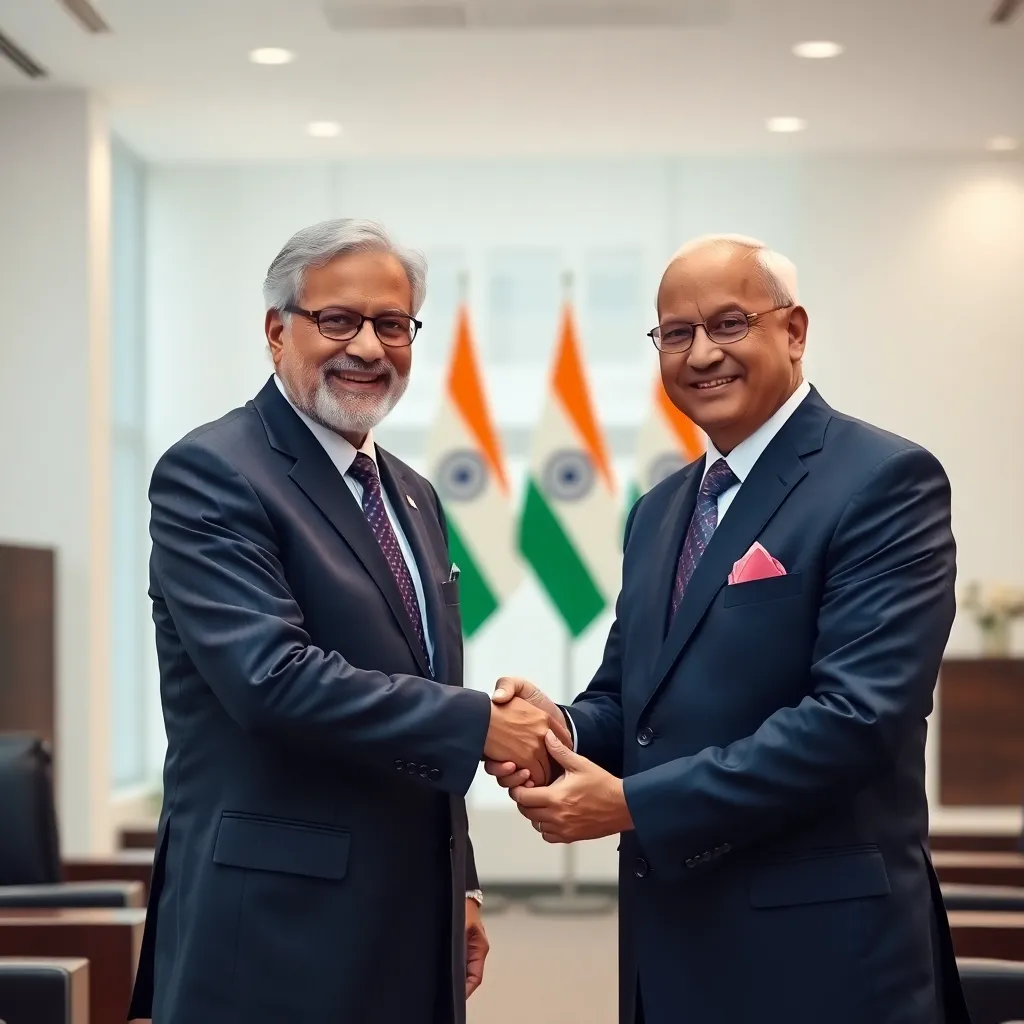
R. Balasubramaniam and K.V. Raju have been appointed as members of NITI Aayog, the Government of India’s premier policy think tank established on 1 January 2015. NITI Aayog replaced the Planning Commission to foster cooperative federalism and provide strategic policy advice to the Union and State governments. It is chaired by the Prime Minister and includes a Vice Chairperson, full-time and part-time members, special invitees, and a CEO.
On this page
Key Facts
- R. Balasubramaniam and K.V. Raju appointed as members of NITI Aayog.
- NITI Aayog was established on 1 January 2015 to replace the Planning Commission.
- It is a non-constitutional, non-statutory advisory body under the Government of India.
- The Prime Minister of India is the Chairperson of NITI Aayog.
- NITI Aayog aims to promote cooperative federalism and strategic policy formulation.
- Structure includes a Vice Chairperson, full-time members, part-time members, ex-officio members, special invitees, and a CEO appointed by the Union government.
Background & Context
The Planning Commission was established in 1950 and served as the central planning institution responsible for formulating India’s Five-Year Plans and allocating funds centrally. It was dissolved in 2014 following criticisms over its top-down approach and replaced by NITI Aayog on 1 January 2015.
NITI Aayog employs a bottom-up policy formulation strategy, encouraging active cooperation and consultation with States and Union Territories to prioritize development goals. It serves as an advisory body facilitating economic policy, development strategies, and governance reforms.
Why This Matters for Exams / Exam Relevance
Understanding the institutional transformation from the Planning Commission to NITI Aayog is crucial for grasping India’s contemporary policy-making framework. Topics related to cooperative federalism, governance reforms, economic planning, and administrative structures are frequently examined in competitive exams like the UPSC Civil Services Exam.
Points to Remember
- NITI Aayog was constituted on 1 January 2015, replacing the Planning Commission which was established in 1950 and dissolved in 2014.
- It is a non-constitutional and non-statutory body; hence, it operates as an advisory think-tank without powers to allocate funds to states.
- The Prime Minister is the Chairperson of NITI Aayog.
- Its structure consists of a Vice Chairperson, full-time members, part-time members, ex-officio members (including four Cabinet Ministers), special invitees, and a CEO.
- NITI Aayog promotes cooperative federalism through a bottom-up approach involving States actively in policy making, differing significantly from the top-down style of the Planning Commission.
- Appointees like R. Balasubramaniam and K.V. Raju contribute their expertise as members of this policy advisory body.
Sources & Further Reading
| Document / Website | Link |
|---|---|
| R. Balasubramaniam and K.V. Raju join NITI Aayog | Open R. Balasubramaniam and K.V. Raju join NITI Aayog ↗www.gktoday.in |
| NITI Aayog: Transforming India’s Development Agenda | Prime Minister of India | Open NITI Aayog: Transforming India’s Development Agenda | Prime Minister of India ↗www.pmindia.gov.in |
| Difference between NITI Aayog and Planning Commission | Open Difference between NITI Aayog and Planning Commission ↗byjus.com |