
Odisha's Revival Drive to Preserve Bomkai Weaving Tradition
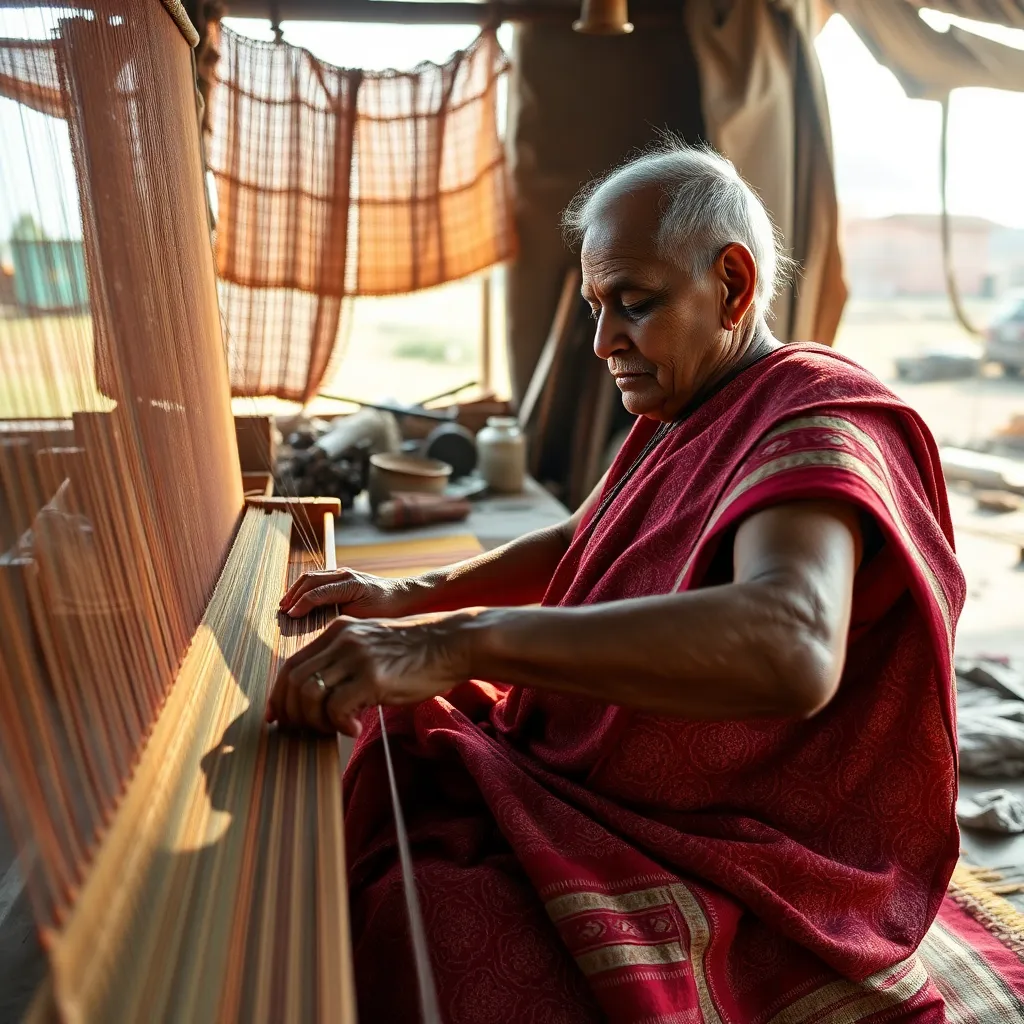
The Odisha Handlooms, Textiles and Handicrafts department has launched a revival plan to rejuvenate the traditional Bomkai weaving art in Ganjam district. Approved in the previous fiscal year, the initiative aims to document authentic Bomkai designs, motifs, and colour specifications, and train new artisans in the original weaving technique. Bomkai sarees, historically linked to Bomkai village in Ganjam and also produced by weavers in Subarnapur district, hold Geographical Indication (GI) status under Indian law. As of May 23, 2026, only two weaving families (Keshab Nayak and Sushanta Kumar Nayak) continue the original weaving practice in Bomkai village. The revival project seeks to address challenges such as migration of younger artisans, aiming to involve surrounding villages to sustain the craft and cultural heritage of Odisha.
On this page
Key Facts
- The state government of Odisha approved the "Revival of Languishing Products (Cotton Bomkai Saree)" project to revive Bomkai weaving traditional in Ganjam district.
- Bomkai is a handwoven cotton saree tradition originating in Bomkai village, Ganjam district, Odisha, and also associated with Subarnapur district.
- The Bomkai saree holds a Geographical Indication (GI) status under the Geographical Indications of Goods (Registration and Protection) Act, 1999.
- Documentation of traditional designs, motifs, and colour specifications forms part of the revival plan.
- Training of new artisans in authentic Bomkai weaving techniques is included to sustain the craft.
- As of May 23, 2026, only two weaving families (those of Keshab Nayak and Sushanta Kumar Nayak) in Bomkai village continue the original weaving tradition.
- Youth migration from Bomkai village to other states for work/business has contributed to decline in the number of practicing weavers.
- The project plans to involve weavers from surrounding villages in Ganjam due to shortage of younger artisans in Bomkai village.
Background & Context
Bomkai weaving is a centuries-old traditional handloom craft native to Bomkai village situated in Ganjam district of Odisha. Over time, the weaving tradition expanded to Subarnapur district, also known as Sonepur, which is an important center of Bomkai weaving practiced mostly by the Bhulia community. The craft is known for its distinctive motifs such as lotus, temple designs, fish, and tortoise patterns woven using extra weft and warp techniques. Bomkai sarees are esteemed for their simplicity combined with rich traditional symbolism.
Despite its cultural and economic significance, the Bomkai weaving tradition had been declining, primarily due to modernization pressures, industrial textile competition, and migration of younger generation artisans seeking better livelihood outside the village. The government of Odisha recognized the necessity of preserving this intangible heritage and implementing measures to revive the declining craft as a part of state cultural conservation efforts and rural development programs.
Why This Matters for Exams / Exam Relevance
The revival of Bomkai weaving is a notable government initiative showcasing the intersection of cultural heritage conservation, rural employment generation, and indigenous craft promotion. It illustrates the application of Geographical Indications to protect traditional knowledge and the socio-economic challenges artisan communities face, such as youth migration and craft sustainability issues. Such examples are relevant in competitive exams under sections on Indian culture, handicrafts, rural development schemes, intellectual property rights, and government welfare initiatives.
Points to Remember
- Bomkai saree's origin is Bomkai village in Ganjam district, Odisha; Subarnapur district is another key center.
- Bomkai saree received GI registration under the Geographical Indications of Goods Act, 1999.
- The Odisha Handlooms, Textiles and Handicrafts department spearheads revival efforts.
- The revival project is named "Revival of Languishing Products (Cotton Bomkai Saree)."
- The plan includes detailed documentation of traditional motifs, colours, and weaving methods, and artisan training.
- Only two families currently (as of 23 May 2026) retain the original weaving practices in Bomkai village.
- Challenges include youth migration for employment and consequent decline in practicing artisans.
- Efforts aim to involve nearby village artisans to sustain the Bomkai craft tradition.
Sources & Further Reading
| Document / Website | Link |
|---|---|
| Odisha launches Bomkai weaving revival drive | Open Odisha launches Bomkai weaving revival drive ↗www.gktoday.in |
| Bomkai sari - Wikipedia | Open Bomkai sari - Wikipedia ↗en.wikipedia.org |
| Our Vision – Vriksh Designs | Open Our Vision – Vriksh Designs ↗vrikshdesigns.com |