
Rediscovery of Gynacantha khasiaca in Arunachal Pradesh after 110 Years
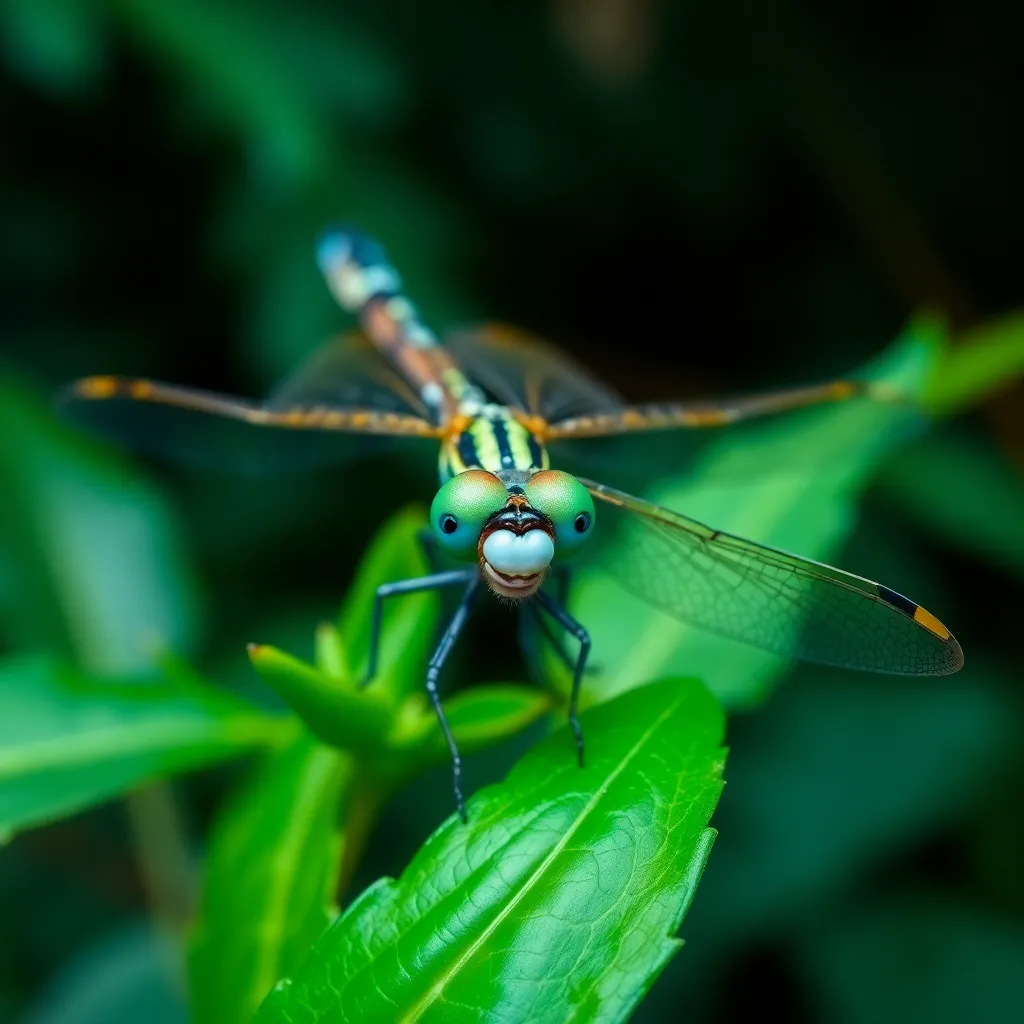
The dragonfly species Gynacantha khasiaca, known as the Long-tailed Duskhawker, was rediscovered in Arunachal Pradesh's Namdapha National Park and Tiger Reserve during a biodiversity survey in October 2024. This marks the first confirmed sighting in the state since the Abor Expedition of 1914, ending a gap of 110 years. The species is characterized by pale blue-green eyes, a bright green thorax with dark stripes, transparent amber-tinted wings, and a long black-tipped abdomen. It inhabits forest edges with dense vegetation and has also been recorded in Assam, Meghalaya, Uttarakhand, West Bengal, and Maharashtra, besides Nepal, Myanmar, and Bangladesh.
On this page
Key Facts
- Species: Gynacantha khasiaca, commonly called Long-tailed Duskhawker
- Rediscovery date: October 16, 2024
- Location: Namdapha National Park and Tiger Reserve, Changlang district, Arunachal Pradesh
- Last confirmed record in Arunachal: 1914 during the Abor Expedition
- Discoverers: Citizen scientists R. Mahesh, Rajesh Gopinath, Gaurav Joshi, and Roshan Upadhaya
- Documentation: Published in the Journal of Threatened Taxa
- Other Indian states recorded: Assam, Meghalaya, Uttarakhand, West Bengal, Maharashtra
- Known from outside India: Nepal, Myanmar, Bangladesh
Background & Context
Gynacantha khasiaca is a dragonfly species within the family Aeshnidae, part of the order Odonata which also includes damselflies. Males have pale blue-green eyes, bright green thorax with dark stripes, transparent amber-tinted wings, and a long black-tipped abdomen. The species was last recorded in Arunachal Pradesh during the 1914 Abor Expedition in the eastern Himalayas. The rediscovery after 110 years was made possible by a focused biodiversity survey along the Miao–Vijaynagar road within Namdapha National Park, an ecologically rich and biodiverse region located at the junction of India, Myanmar, and China. The park's rugged terrain and previously limited surveys contributed to the species' absence from records for over a century.
Why This Matters for Exams
This rediscovery is significant for studies related to biodiversity, conservation, and Indian environmental geography, making it relevant for competitive exams on environment and ecology. It highlights the importance of citizen science in biodiversity documentation, the ecological richness of the northeastern states, and the historical context of species expeditions like the Abor Expedition. Knowledge of biodiversity hotspots such as Namdapha National Park, their unique species, and conservation importance is often tested in prelims and mains examinations.
Points to Remember
- Gynacantha khasiaca is commonly known as the Long-tailed Duskhawker.
- It belongs to the family Aeshnidae and order Odonata (dragonflies and damselflies).
- First recorded in Arunachal Pradesh in 1914; rediscovered in 2024 after 110 years.
- Rediscovery site: Namdapha National Park and Tiger Reserve, Changlang district.
- The species favors forest edges and dense vegetation habitats.
- Documented by citizen scientists and publicized through scientific journals.
- Namdapha National Park is India's only protected area harboring all four big cats and is a biodiversity hotspot with varied forest types and altitudinal ranges.
Sources & Further Reading
| Document / Website | Link |
|---|---|
| Gynacantha khasiaca Rediscovered in Arunachal Pradesh after 110 years | Open Gynacantha khasiaca Rediscovered in Arunachal Pradesh after 110 years ↗www.gktoday.in |
| Rare dragonfly resurfaces in Arunachal after 110 years - The Hindu | Open Rare dragonfly resurfaces in Arunachal after 110 years - The Hindu ↗www.thehindu.com |
| Namdapha National Park & Tiger Reserve - Official Site | Open Namdapha National Park & Tiger Reserve - Official Site ↗arunachalforests.gov.in |
| Namdapha National Park - Wikipedia | Open Namdapha National Park - Wikipedia ↗en.wikipedia.org |