
Russia's Successful Test of the RS-28 Sarmat Intercontinental Ballistic Missile
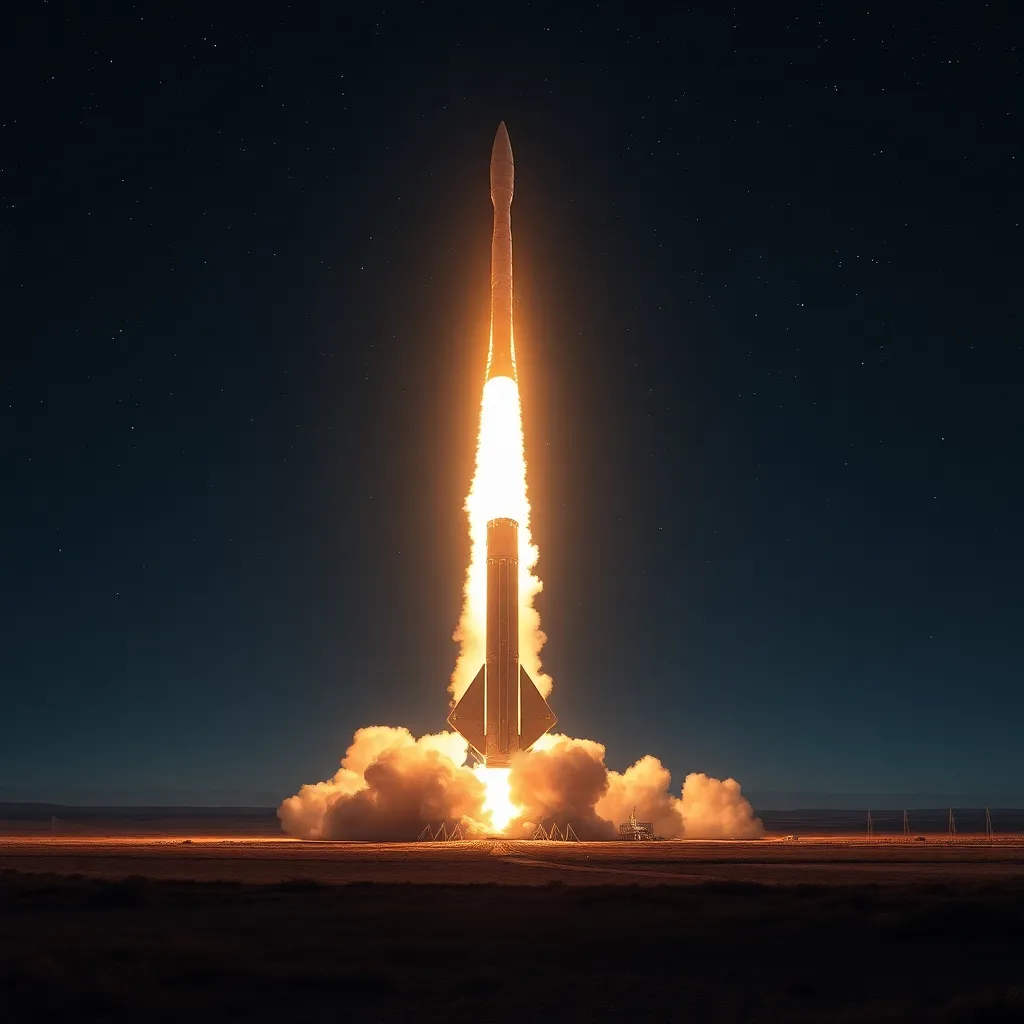
On 12 May 2026, Russia successfully test-launched the RS-28 Sarmat missile, a super-heavy intercontinental ballistic missile (ICBM), from the Plesetsk Cosmodrome in Arkhangelsk region. The missile struck its designated target at the Kura test range on the Kamchatka Peninsula, marking a key advancement in Russia's nuclear forces modernization. The Sarmat is intended to replace the Soviet-era R-36M2 Voyevoda missile system and can carry multiple nuclear warheads including hypersonic glide vehicles. The missile reportedly has an operational range exceeding 35,000 kilometers and is designed to penetrate advanced missile defenses. Russia plans to deploy the first Sarmat missile regiment at the Uzhur formation in Krasnoyarsk Krai by the end of 2026.
On this page
Key Facts
- Test date: 12 May 2026
- Launch site: Plesetsk Cosmodrome, Arkhangelsk region
- Target site: Kura test range, Kamchatka Peninsula
- Missile: RS-28 Sarmat (NATO designation: SS-29 Satan II)
- Range: Over 35,000 km including ballistic and suborbital trajectories
- Payload capacity: Up to 16 independently targetable nuclear warheads and Avangard hypersonic glide vehicles
- Size and weight: Approximately 208 tonnes; length 35.3 m; diameter 3 m
- Deployment planned: Late 2026 at Uzhur missile formation in Krasnoyarsk Krai
Background & Context
The RS-28 Sarmat is a liquid-fueled, three-stage intercontinental ballistic missile developed to replace the aging Soviet R-36M2 Voyevoda missile system (NATO designation SS-18 Satan). The missile program began in the 2000s, with first tests in 2018 and subsequent testing including some failures causing delays. The missile is designed with advanced countermeasures to evade missile defense systems and can perform fractional orbital bombardment (FOBS). Its silo-based launch system from hardened underground facilities reflects its strategic deterrence role within Russia's nuclear forces.
Why This Matters for Exams / Exam Relevance
The RS-28 Sarmat missile is a significant subject concerning international security, military technology, and global nuclear balance. Details such as testing timelines, locations (Plesetsk Cosmodrome, Kura test range), technical specifications, and strategic deployment plans are commonly asked in UPSC and other competitive exams under defense, current affairs, and international relations.
Points to Remember
- RS-28 Sarmat is also known in the West as SS-29 Satan II.
- It can carry up to 16 MIRVs (Multiple Independently targetable Reentry Vehicles) and hypersonic glide vehicles.
- The missile has a maximum range exceeding 35,000 km, including suborbital flight modes.
- The Plesetsk Cosmodrome (launch site) and Kura test range (target zone) are key Russian military facilities for missile testing.
- Deployment of the first combat regiment is scheduled for late 2026 at Uzhur missile formation in Krasnoyarsk Krai.
- The missile enhances Russia's strategic nuclear deterrent with increased payload and defense penetration capabilities.
Sources & Further Reading
| Document / Website | Link |
|---|---|
| Russia tests Sarmat nuclear missile | Open Russia tests Sarmat nuclear missile ↗www.gktoday.in |
| RS-28 Sarmat | Missile Threat - CSIS | Open RS-28 Sarmat | Missile Threat - CSIS ↗missilethreat.csis.org |
| Nuclear forces test Sarmat missile from Plesetsk | Open Nuclear forces test Sarmat missile from Plesetsk ↗www.thebarentsobserver.com |
| Putin says Russia will deploy new Sarmat nuclear missile this year | Open Putin says Russia will deploy new Sarmat nuclear missile this year ↗www.reuters.com |
| RS-28 Sarmat - Wikipedia | Open RS-28 Sarmat - Wikipedia ↗en.wikipedia.org |
| Russia Successfully Tests Sarmat Nuclear System, World’s Most Powerful ICBM | Open Russia Successfully Tests Sarmat Nuclear System, World’s Most Powerful ICBM ↗english.pravda.ru |