
Supreme Court Examines Female Genital Mutilation under POCSO Act and Constitutional Rights
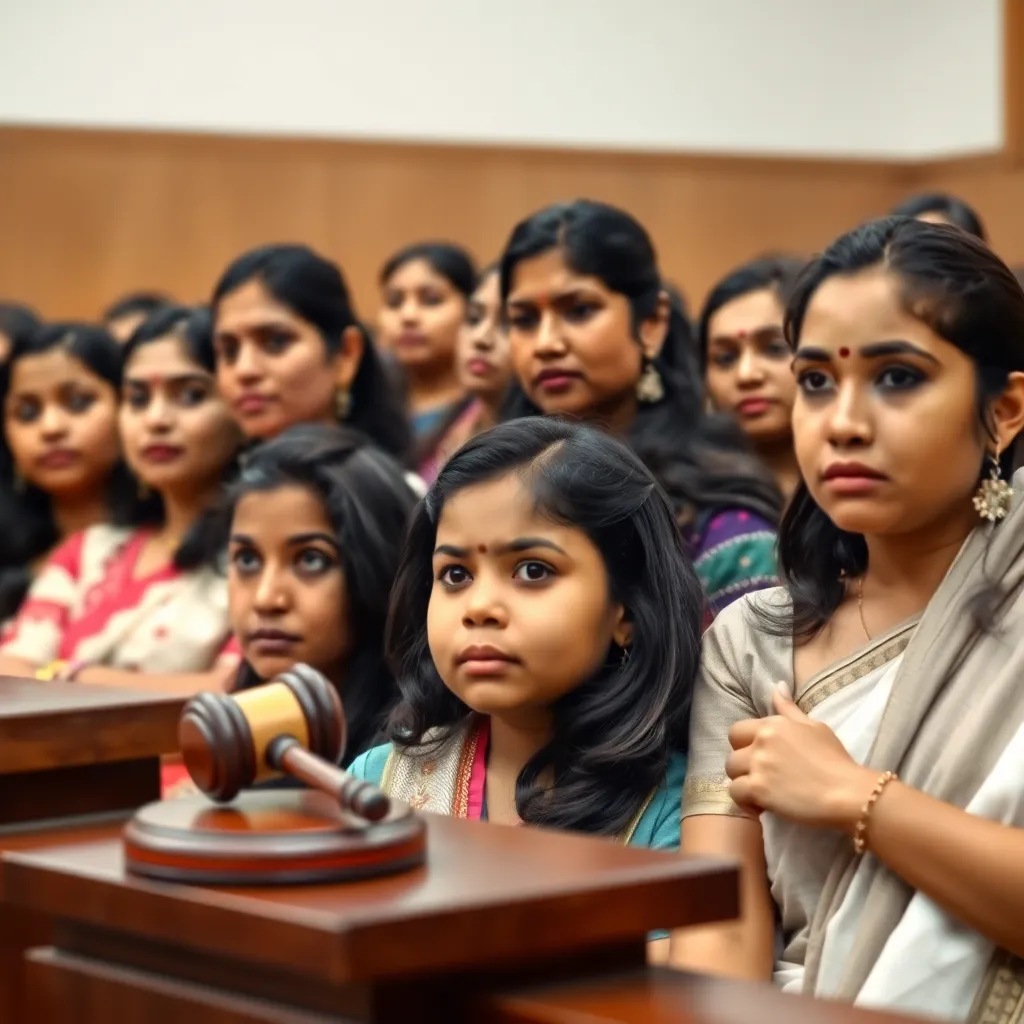
In 2026, the Supreme Court of India is hearing a significant Public Interest Litigation concerning Female Genital Mutilation (FGM), particularly within the Dawoodi Bohra community. A nine-judge Constitution Bench, led by Chief Justice Surya Kant, is analyzing if FGM violates the Protection of Children from Sexual Offences (POCSO) Act and constitutional provisions on religious freedom under Articles 25 and 26. The Court has noted that FGM causes irreversible physical and mental trauma to minor girls and distinguished it from male circumcision. The issue raises important questions on balancing religious rights with child protection and bodily autonomy.
On this page
Key Facts
- Female Genital Mutilation (FGM) refers to the partially or totally removing or injuring the female external genitalia for non-medical reasons.
- The Supreme Court of India began hearings on FGM on 7 April 2026 before a nine-judge Constitution Bench led by Chief Justice Surya Kant.
- FGM has been linked with the Dawoodi Bohra community in India and is under legal scrutiny via a Public Interest Litigation (PIL).
- Earlier, a three-judge bench in July 2018 observed that FGM prima facie violates the right to privacy and may be an offence under the Protection of Children from Sexual Offences (POCSO) Act, 2012.
- Section 3 of the POCSO Act defines penetrative sexual assault against a child, which has been interpreted to potentially include FGM.
- The Supreme Court has recognized that FGM causes irreversible physical and mental trauma to minor girls.
- The Court has distinguished FGM from male circumcision, focusing on differences in physical, reproductive, emotional, and sexual health consequences.
- India currently does not have a standalone law expressly banning FGM; however, provisions of the Indian Penal Code related to causing hurt (Sections 319 to 326) and POCSO Act may be applicable.
- Articles 25 and 26 of the Indian Constitution protect freedom of religion and denominational autonomy but are subject to public order, morality, health, and other provisions.
- On 7 May 2026, Justice Joymalya Bagchi observed that FGM may be restricted on health grounds under Article 25 without resolving if it is an essential religious practice.
Background & Context
FGM is a cultural and religious practice involving the mutilation of female genitalia, known to cause severe health risks and human rights violations. In India, this practice is predominantly seen within the Dawoodi Bohra community, prompting legal challenges. The Supreme Court’s involvement reflects broader constitutional and human rights issues, balancing religious freedom guaranteed under Articles 25 and 26 and child protection laws such as the POCSO Act.
The case reached the Constitution Bench after initial observations by a three-judge bench pointing to privacy violation and potentially criminal aspects under child sexual offences. The current Bench is tasked with determining the constitutional validity of FGM, the scope of religious freedom in this context, and protections for minors’ bodily autonomy.
Why This Matters for Exams / Exam Relevance
This case is a landmark study in constitutional law, child rights, and the intersection of religious freedoms and social justice. It exemplifies how Indian law addresses practices overlapping with religion, health, and human rights. Understanding the Supreme Court’s reasoning about Articles 25 and 26, the application of the POCSO Act, and difference between religious practices and criminal conduct will be vital for exams that cover Indian constitutional law, fundamental rights, and gender and child protection laws.
Points to Remember
- FGM is also known as female circumcision; however, international law and public health use the term FGM to emphasize its harmful nature.
- The Protection of Children from Sexual Offences (POCSO) Act, 2012, protects children (under 18 years) from sexual offenses, including penetrative sexual assault.
- Articles 25 and 26 of the Constitution guarantee freedom of religion and denominational management but are subject to restrictions for public order, morality, and health.
- The Supreme Court Bench distinguished FGM from male circumcision based on harm caused—highlighting irreversible physical and mental injury in FGM.
- India lacks a specific law banning FGM explicitly but applies IPC sections on hurt and POCSO Act provisions.
- The case tests the balance between constitutional religious freedoms and children's right to bodily integrity and dignity.
Sources & Further Reading
| Document / Website | Link |
|---|---|
| Supreme Court Links FGM to POCSO Act | Open Supreme Court Links FGM to POCSO Act ↗www.gktoday.in |
| Female Genital Mutilation Affects Health; Can't Be Compared With Circumcision : Supreme Court In Sabarimala Reference Hearing | Open Female Genital Mutilation Affects Health; Can't Be Compared With Circumcision : Supreme Court In Sabarimala Reference Hearing ↗www.livelaw.in |
| FGM inflicts injury, is an offence under POCSO: Bohra woman in SC | Open FGM inflicts injury, is an offence under POCSO: Bohra woman in SC ↗timesofindia.indiatimes.com |