
Supreme Court Orders Removal of Encroachments in Agasthyamalai Biosphere Reserve
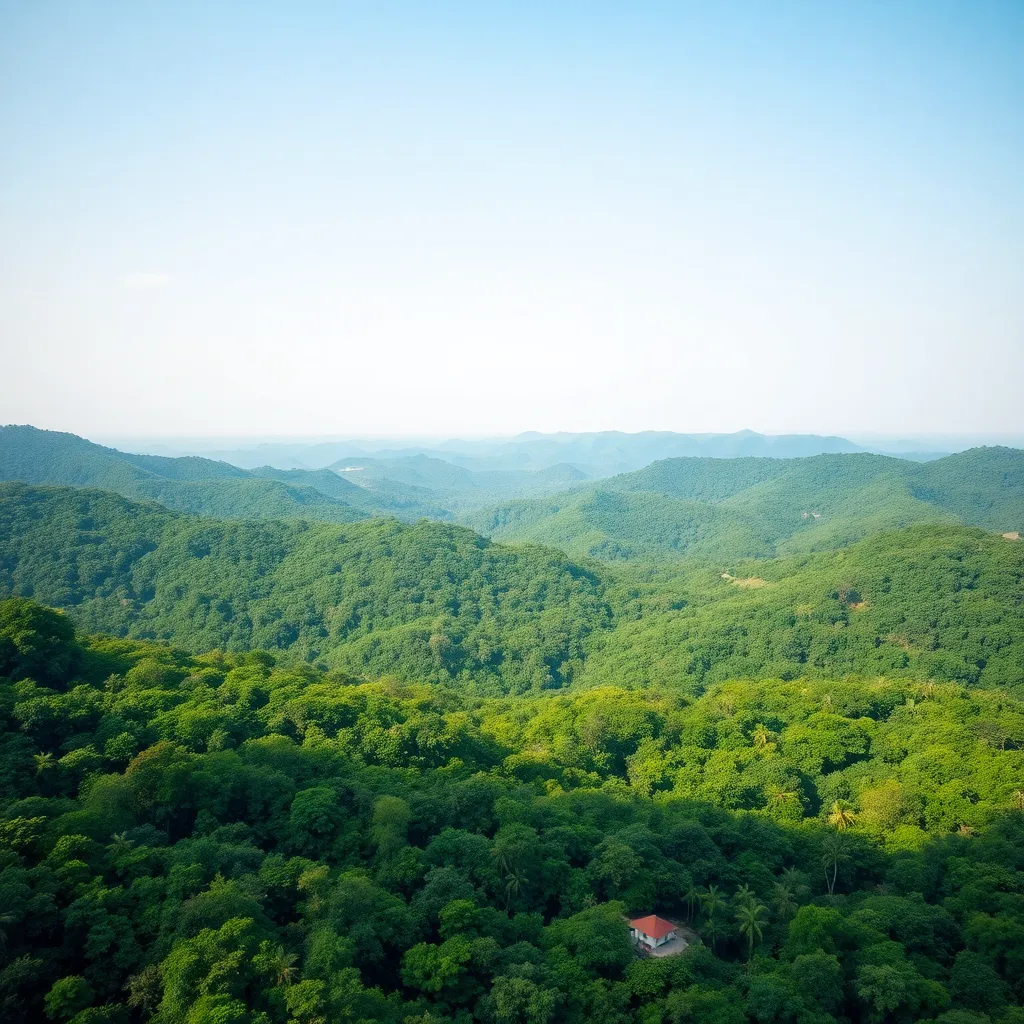
On 30 May 2026, the Supreme Court of India directed the removal of encroachments and demolition of illegal structures in the Agasthyamalai landscape, which includes protected forest areas spanning Tamil Nadu and Kerala. The order targets illegal resorts, commercial establishments, government facilities, and unauthorized infrastructure in the Agasthyamalai Biosphere Reserve, a UNESCO-recognized site. The Court mandated a time-bound eviction plan within one month and a six-month deadline for dismantling illegal structures. Disciplinary actions against officials involved in permitting unauthorized occupation were also ordered. Paramilitary forces may be deployed if state authorities fail to comply. This enforcement effort aims to restore ecological integrity to this sensitive biosphere reserve, home to diverse flora and fauna and critical wildlife habitats.
On this page
Key Facts
- Date of Supreme Court order: 30 May 2026
- Location: Agasthyamalai Biosphere Reserve, spanning Tamil Nadu and Kerala
- Area affected: Forest sections including Srivilliputhur-Megamalai Tiger Reserve and Meghamalai Wildlife Sanctuary
- Encroachers identified: More than 4,600 people occupying over 5,000 hectares
- Illegal structures: 116 government and public utility buildings unauthorized
- Time-bound eviction plan: To be submitted within one month; six months to dismantle structures
- Penalties: Disciplinary, penal, and criminal actions against facilitators
- Compliance monitoring dates: Status report by 28 August 2026, review on 1 September 2026
Background & Context
The Agasthyamalai Biosphere Reserve is part of the southern Western Ghats and is recognized by UNESCO for its biodiversity and cultural significance. It includes a mix of protected zones: core conservation areas, buffer zones for research and tourism, and transition zones with sustainable human activity. Forest encroachment threatens the sensitive ecosystems, including tiger habitats and endemic species. The Central Empowered Committee (CEC), established by the Supreme Court, monitors environmental compliance and reported significant illegal occupation in this landscape.
Why This Matters for Exams
This case illustrates India's judicial and administrative measures in forest conservation under the Forest Conservation Act, 1980, and Wildlife Protection laws. It highlights the role of the Supreme Court in environmental governance, the functioning of the Central Empowered Committee, and the importance of biosphere reserves like Agasthyamalai. Questions may address conservation laws, biosphere reserves, Supreme Court interventions, and specific protected areas in Tamil Nadu and Kerala.
Points to Remember
- Agasthyamalai Biosphere Reserve lies in Tamil Nadu and Kerala and is part of the Western Ghats.
- The Supreme Court ordered cleanup on 30 May 2026 targeting illegal encroachments and structures.
- Srivilliputhur-Megamalai Tiger Reserve included in the order; over 4,600 encroachers identified.
- Central Empowered Committee is key in surveying and monitoring enforcement.
- Illegal infrastructure includes government buildings, which are also subject to removal.
- Time-bound eviction plans and penalties on officials are emphasized.
- The Supreme Court may allow paramilitary deployment if states do not act.
- Useful for questions on environmental law enforcement, biosphere reserves, and wildlife protection.
Sources & Further Reading
| Document / Website | Link |
|---|---|
| Supreme Court orders clean-up of Agasthyamalai landscape | Open Supreme Court orders clean-up of Agasthyamalai landscape ↗www.gktoday.in |
| Supreme Court orders sweeping clean-up of Agasthyamalai landscape | Open Supreme Court orders sweeping clean-up of Agasthyamalai landscape ↗www.hindustantimes.com |
| Agasthyamalai Biosphere Reserve - Rau's IAS | Open Agasthyamalai Biosphere Reserve - Rau's IAS ↗compass.rauias.com |
| Srivilliputhur-Megamalai Tiger Reserve (Wikipedia) | Open Srivilliputhur-Megamalai Tiger Reserve (Wikipedia) ↗en.wikipedia.org |