
Telangana Inaugurates India’s First Women-Operated 1 MW Solar Power Plant under Indira Mahila Shakti Scheme
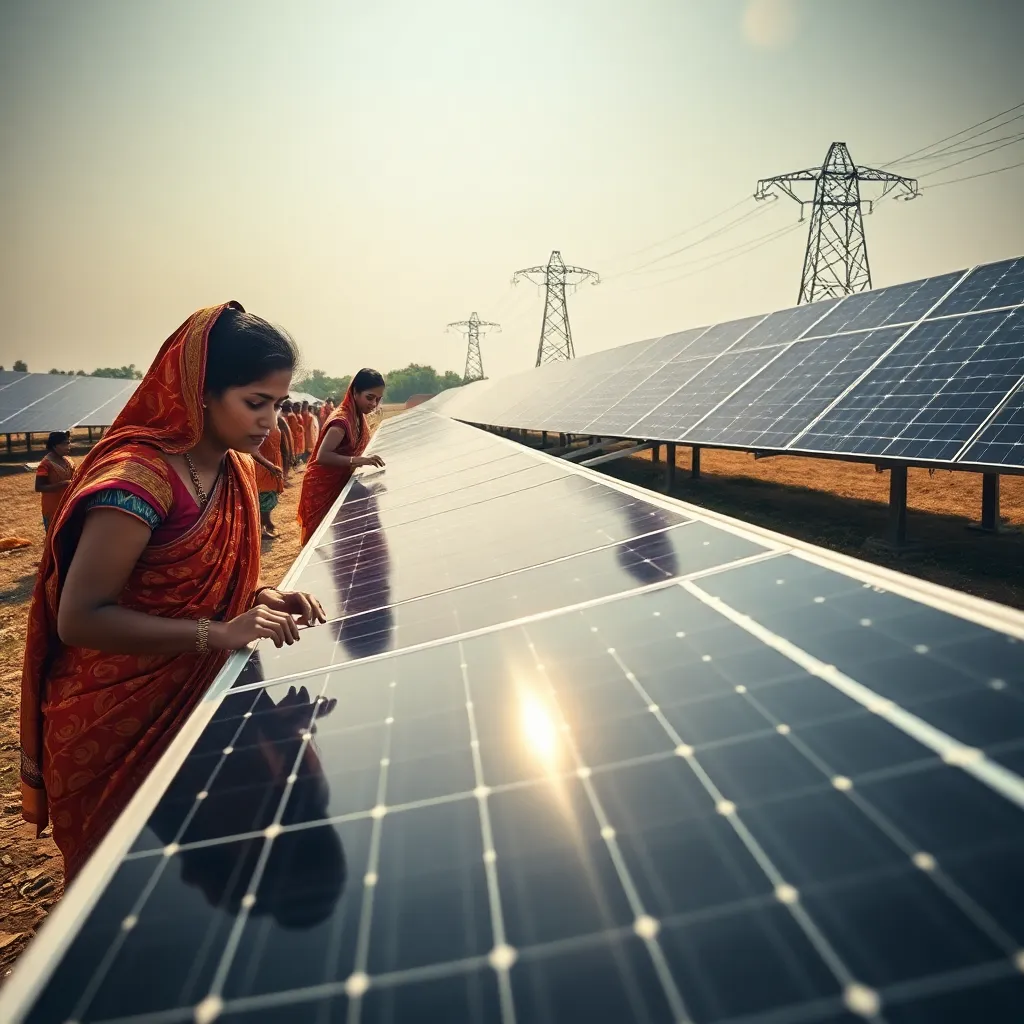
On 27 May 2026, Telangana inaugurated India’s first solar power plant operated by women’s self-help groups, located in Venkatapuram village, Khammam district. With a capacity of 1 MW and a cost of ₹3 crore, the project is expected to generate monthly revenue of approximately ₹4.5 lakh to ₹5 lakh for the participating SHGs. This initiative forms part of the Indira Mahila Shakti scheme, promoting women’s empowerment and sustainable energy, supported by state government subsidies and power purchase agreements with DISCOMs. Telangana’s broader solar power target is 20,000 MW by 2030, with plans to replicate women-led solar projects in other districts.
On this page
Key Facts
- Inauguration Date: 27 May 2026
- Location: Venkatapuram village, Errupalem mandal, Khammam district, Telangana
- Installed Capacity: 1 MW
- Project Cost: ₹3 crore
- Managed By: Women’s Self-Help Groups (SHGs)
- Estimated Daily Income: ₹14,000 to ₹15,000
- Estimated Monthly Income: Approximately ₹4.5 lakh to ₹5 lakh
- Government Support: Land allocation, subsidies, Power Purchase Agreements with state DISCOMs
- Scheme Under Which Project was Inaugurated: Indira Mahila Shakti
- Interest-Free Loan Limit Increased for Women SHGs: From ₹5 lakh to ₹10 lakh by Telangana Government
- Telangana’s Solar Power Capacity Target: 20,000 MW by 2030
Background & Context
Solar power, generated through photovoltaic technology that converts sunlight directly into electricity, forms a key component of India’s renewable energy strategy. Telangana is among the leading Indian states emphasizing renewable energy expansion, especially solar energy. The state government launched its Indira Mahila Shakti Scheme to empower women and promote sustainable livelihoods. Women's SHGs, typically community-based groups that engage in savings and income-generating activities, are being leveraged as managers and operators of solar power projects to combine renewable energy generation with women’s economic empowerment at grassroots levels.
The 1 MW solar power plant in Khammam district is the first of its kind in India operated by female SHGs under this initiative. The project’s development included government-provided land, financial subsidies, and Power Purchase Agreements (PPAs) with distribution companies (DISCOMs) which purchase the generated electricity. DISCOMs are state-owned entities responsible for power distribution to consumers.
Why This Matters for Exams / Exam Relevance
This development is significant for aspirants preparing for competitive exams because it intersects several important themes including renewable energy policies, government schemes for women empowerment, rural development via SHGs, and also state-level initiatives contributing to India’s national targets under sustainable energy goals. Questions related to solar energy expansion, innovative models of women-led entrepreneurship, and state government schemes in Telangana are increasingly relevant in general studies and current affairs sections.
Points to Remember
- The solar power plant inaugurated on 27 May 2026 is India’s first operated by women’s self-help groups.
- It is located in Venkatapuram village, Errupalem mandal, Khammam district of Telangana.
- The plant’s capacity is 1 MW with an estimated project cost of ₹3 crore.
- The Telangana government supports the initiative through land allocation, subsidies, and Power Purchase Agreements with DISCOMs ensuring steady revenue for SHGs.
- Daily revenue from the plant is estimated at around ₹14,000–₹15,000; monthly revenue is approximately ₹4.5 lakh to ₹5 lakh.
- The Indira Mahila Shakti Scheme under which the project is implemented aims at women empowerment and promoting green energy.
- Interest-free loan limits for women’s SHGs have been increased from ₹5 lakh to ₹10 lakh by the Telangana government.
- Telangana aims to generate 20,000 MW of solar power by 2030 and plans similar women-led solar projects across various districts.
Sources & Further Reading
| Document / Website | Link |
|---|---|
| Women-led solar power plant inaugurated in Telangana’s Khammam; ₹4.5 lakh-₹5 lakh monthly income estimated - The Hindu | Open Women-led solar power plant inaugurated in Telangana’s Khammam; ₹4.5 lakh-₹5 lakh monthly income estimated - The Hindu ↗www.thehindu.com |
| Women-led solar power plant in Telangana inaugurated under Indira Mahila Shakti Scheme | Open Women-led solar power plant in Telangana inaugurated under Indira Mahila Shakti Scheme ↗www.gktoday.in |
| Telangana Targets 1,000 MW Solar Power Through SHGs, Empowering Women - Energetica India | Open Telangana Targets 1,000 MW Solar Power Through SHGs, Empowering Women - Energetica India ↗www.energetica-india.net |
| Indira Mahila Shakti Udyam Protsahan Yojana (Official Scheme Portal) | Open Indira Mahila Shakti Udyam Protsahan Yojana (Official Scheme Portal) ↗www.myscheme.gov.in |