
West Bengal to Establish Dolphin Parks along Hooghly River under Namami Gange Programme
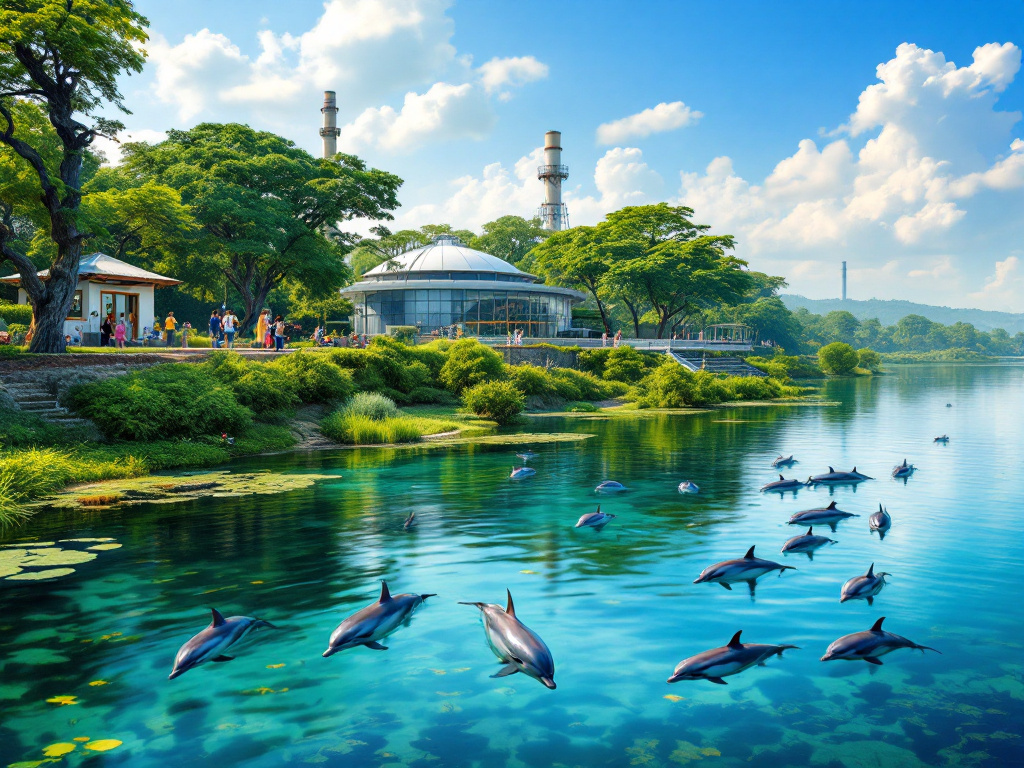
On June 18, 2026, West Bengal proposed setting up two dolphin parks, one along the Hooghly River and another at Kanthi in East Midnapore. This initiative is part of the Namami Gange programme focusing on aquatic biodiversity conservation, eco-tourism promotion, and river cleanliness. The parks aim to support the endangered Ganges River dolphin, India's national aquatic animal, residing in the Bhagirathi-Hooghly river system. Alongside, the state plans five sewage treatment plants in Kolkata to reduce untreated wastewater entering the Hooghly. Additional measures include installing water meters for industry and commercial users and promoting filtration of treated effluents. This move aligns with central government efforts to restore the Ganga and its tributaries, showcasing integrated river ecosystem conservation.
On this page
Key Facts
- Date of proposal: 18 June 2026
- Locations of Dolphin Parks: Hooghly River (West Bengal) and Kanthi (East Medinipur)
- Programme: Namami Gange
- Species targeted: Ganges River dolphin (Platanista gangetica gangetica), endangered and national aquatic animal of India
- Sewage Treatment Plants planned: Five in Kolkata
- Other measures: Water meters for commercial/industrial establishments, effluent filtration systems for treated discharge
- Population data: A 2022-23 study recorded 303 Ganges River dolphins in Bhagirathi-Hooghly river system
Background & Context
West Bengal's plan to establish dolphin parks derives from the need to conserve the endangered Ganges River dolphin, an indicator species for river health. The Hooghly River, a distributary of the Ganga, is part of the Bhagirathi-Hooghly river system supporting freshwater biodiversity. The proposal is aligned with the Namami Gange programme, a central government initiative launched to rejuvenate the Ganga and its tributaries through pollution control, afforestation, biodiversity conservation, and river cleaning efforts.
The plan includes building five new sewage treatment plants in Kolkata to reduce discharge of untreated wastewater into the Hooghly. To further monitor and control pollution, the state is considering the installation of water meters at commercial and industrial establishments and filtration systems for industrial effluent, consistent with wastewater management regulations.
Why This Matters for Exams / Exam Relevance
This initiative exemplifies the collaboration between central and state governments for environmental conservation and river ecosystem restoration under flagship programmes like Namami Gange. It highlights important aspects such as species conservation (Ganges River dolphin as a protected and endangered species), pollution control infrastructure (sewage treatment plants), and eco-tourism promotion through dolphin parks. These dimensions are commonly asked in environment, ecology, and current affairs sections of competitive exams.
Points to Remember
- The Ganges River dolphin is India's national aquatic animal, protected under the Wildlife (Protection) Act, 1972.
- West Bengal's dolphin park initiative is a significant state-level contribution towards Namami Gange's goals.
- Five sewage treatment plants are planned for Kolkata to restrict untreated sewage release into the Hooghly River.
- Effluent treatment and water metering are part of pollution management strategies under wastewater regulations.
- The Bhagirathi-Hooghly river system population was documented at 303 dolphins during 2022-23.
- Dolphin parks aim to support both biodiversity conservation and eco-tourism development.
Sources & Further Reading
| Document / Website | Link |
|---|---|
| Bengal plans dolphin parks, Ganga Aarti on Hooghly under Namami Gange push - The Economic Times | Open Bengal plans dolphin parks, Ganga Aarti on Hooghly under Namami Gange push - The Economic Times ↗economictimes.indiatimes.com |
| West Bengal plans dolphin parks along the Hooghly - GKToday | Open West Bengal plans dolphin parks along the Hooghly - GKToday ↗www.gktoday.in |
| Namami Gange Programme - National Mission for Clean Ganga | Open Namami Gange Programme - National Mission for Clean Ganga ↗nmcg.nic.in |
| Ganges River Dolphin: An Overview of Biology and Conservation - PMC | Open Ganges River Dolphin: An Overview of Biology and Conservation - PMC ↗www.ncbi.nlm.nih.gov |