
Yellow-bellied Sea Snake Returns to California After Eight Years
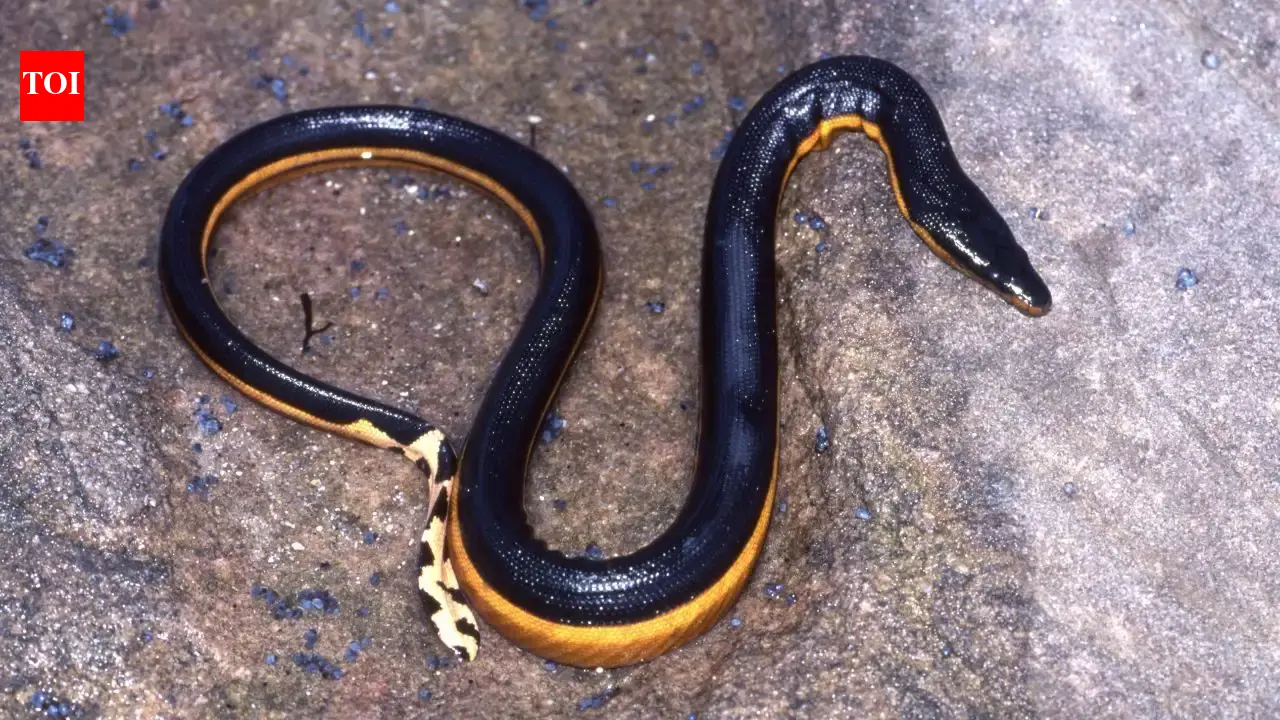
In September 2026, a yellow-bellied sea snake was found washed ashore at Crystal Cove in Orange County, California. This was the first confirmed sighting of the venomous species in California since 2018, marking a total of six confirmed sightings in the state since 1972. The yellow-bellied sea snake is an ocean-dwelling venomous reptile native to tropical and subtropical waters of the Pacific and Indian Oceans. Such unusual northern appearances are linked to warm ocean currents and climate phenomena such as El Niño. Beachgoers are advised not to handle the snake and to inform wildlife officials.
On this page
Key Facts
- The yellow-bellied sea snake (Pelamis platurus) is a venomous marine reptile characterized by a distinctive yellow underside and a dark upper body.
- The snake was sighted at Crystal Cove State Park in Orange County, California, in September 2026, the first such sighting in the state since 2018.
- There have been only six confirmed sightings of this species in California since 1972.
- This species inhabits tropical and subtropical Pacific and Indian Ocean waters, rarely venturing far north of this range.
- Unusual sightings in California are linked to warm oceanic currents and climatic events such as El Niño, which can carry tropical marine species farther north.
- The species is fully marine and seldom found on land unless washed ashore; it is venomous but generally sluggish and not aggressive out of water.
Background & Context
The yellow-bellied sea snake is one of the few sea snakes that inhabit the open ocean and warm coastal waters of the Pacific and Indian Oceans. Its venom is potent, but the snake poses little danger to humans if not handled. California's temperate coastline is outside the snake's normal habitat, making sightings rare and notable. The snake's presence in Southern California waters is attributed to shifts in ocean temperature and currents linked to El Niño events, which periodically warm the Pacific Ocean and push tropical species into more temperate regions. These sightings are ecological indicators of changing marine biodiversity related to climate variability.
Why This Matters for Exams
This event exemplifies the intersection of marine biology, ecology, and climate science, and is useful for competitive examinations focusing on current affairs related to environmental changes. Understanding how climatic phenomena like El Niño influence species distribution is important in geography and environmental studies. The sighting of a venomous marine reptile in unusual regions underlines the effects of climate variability on ecosystems, a topic frequently examined in current affairs, biodiversity conservation, and environmental science syllabi.
Points to Remember
- The yellow-bellied sea snake is a venomous marine reptile with a distinctive yellow underside.
- California recorded six total confirmed sightings since 1972; the last prior to 2026 was in 2018.
- The 2026 sighting occurred at Crystal Cove State Park, Orange County, California.
- Unusual northern appearances are linked to warm ocean currents and El Niño climate events.
- Beachgoers should avoid touching or returning the snake to the water and must report sightings to lifeguards or wildlife officials.
Practice MCQs
Question 1
- Which venomous sea snake species was sighted along the California coast in 2026?
- A. Olive sea snake
- B. Yellow-bellied sea snake
- C. Black sea snake
- D. Blue-banded sea snake
Answer: B. Yellow-bellied sea snake
Question 2
- Where was the yellow-bellied sea snake found washed ashore in California in 2026?
- A. Huntington Beach
- B. Crystal Cove
- C. Santa Monica
- D. Malibu
Answer: B. Crystal Cove
Question 3
- Which climatic event is linked to the unusual sightings of tropical sea snakes like the yellow-bellied sea snake along the California coast?
- A. La Niña
- B. Monsoon
- C. El Niño
- D. Indian Ocean Dipole
Answer: C. El Niño
Sources & Further Reading
| Document / Website | Link |
|---|---|
| Yellow-Bellied Sea Snake Returns to California After Eight Years – GKToday | Open Yellow-Bellied Sea Snake Returns to California After Eight Years – GKToday ↗www.gktoday.in |
| Rare venomous sea snake washes up on a SoCal beach | Open Rare venomous sea snake washes up on a SoCal beach ↗www.latimes.com |
| Marine Reptile - Pacific Leatherback Sea Turtle - California State Capitol Museum | Open Marine Reptile - Pacific Leatherback Sea Turtle - California State Capitol Museum ↗capitolmuseum.ca.gov |
| How Can Temperature Affect the Open Ocean Animals? | Open How Can Temperature Affect the Open Ocean Animals? ↗iere.org |