
Formation of Pyrocumulonimbus Clouds Amid France Wildfires in July 2026
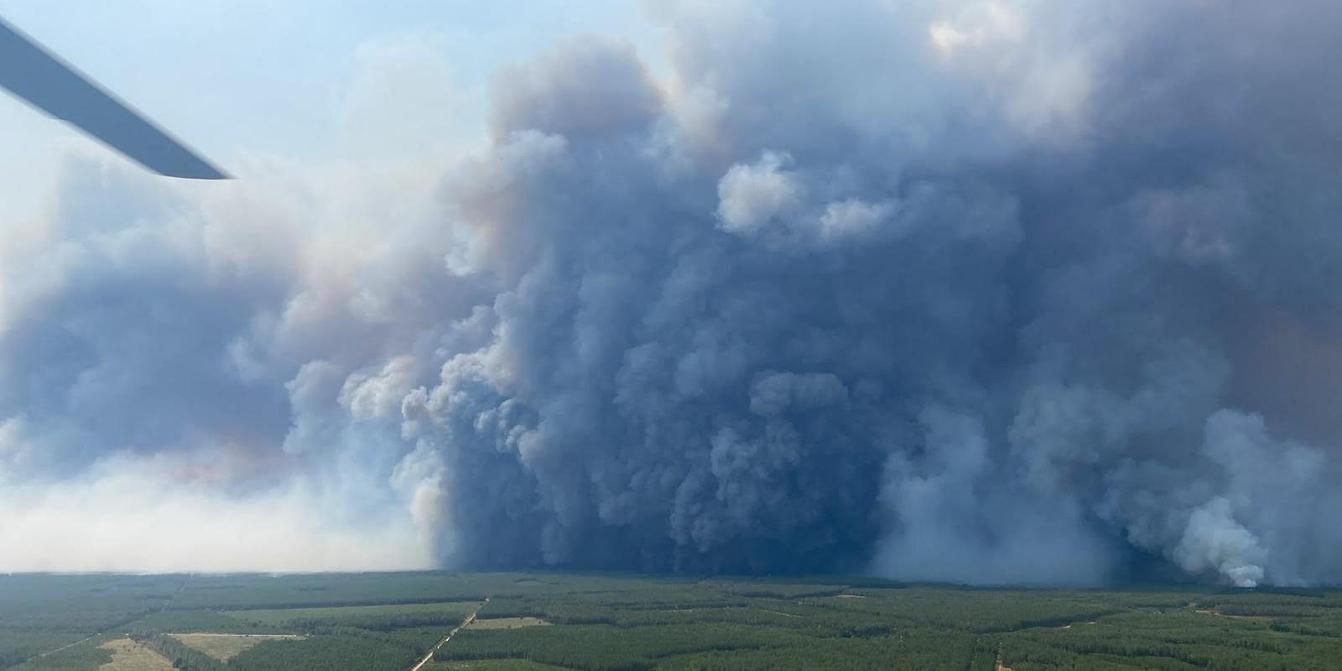
In July 2026, intense wildfires in France's Gironde region led to the formation of pyrocumulonimbus clouds—fire-generated thunderstorm clouds that exacerbate wildfire conditions. Beginning on 22 July, the wildfire burned over 420 square kilometres, causing the evacuation of approximately 220,000 people in Gironde alone. These fire clouds, formed by powerful updrafts from intense heat, produce lightning that can ignite new fires and create erratic winds altering fire behavior. This event marked the first officially recorded pyrocumulonimbus cloud in France, highlighting the increasing impact of climate change on wildfire dynamics and the urgency of understanding such phenomena for disaster management and exam preparation.
On this page
Key Facts
- A wildfire near Saumos in the Gironde region of southwest France started on 22 July 2026 and had burned more than 420 square kilometres of forests and scrubland by 27 July 2026.
- On 24 July 2026, a pyrocumulonimbus cloud—also known as a fire cloud or pyroCb—formed over the wildfire; this was the first officially recorded occurrence of such a cloud in France by the National Firefighters Federation of France.
- Pyrocumulonimbus clouds form due to intense heat from wildfires lifting smoke, ash, and moisture high into the atmosphere, creating thunderstorm clouds that produce lightning, strong winds, and turbulent weather around the fire zone.
- The wildfire near Saumos damaged or destroyed more than 240 homes and forced the evacuation of about 220,000 people in Gironde by 27 July 2026.
- Across France and Spain, approximately 325,000 to 360,000 people were evacuated in July 2026 due to several fires that created their own weather systems, including pyrocumulonimbus clouds.
- Australia and North America have historically recorded pyrocumulonimbus clouds more commonly than Europe.
Background & Context
Pyrocumulonimbus clouds form when a wildfire produces sufficient heat to create a powerful updraft. This updraft carries combustion products and water vapour to higher altitudes where condensation occurs, resulting in storm development. Such clouds can generate lightning that ignites new fires and produce violent, erratic winds which can rapidly change fire direction and intensity.
The formation of pyrocumulonimbus clouds in France represents an emerging phenomenon linked to changing climatic and environmental conditions. Human-caused climate change, causing hotter and drier conditions, increases the likelihood of extreme wildfires and the formation of such fire-generated thunderstorm clouds in Europe, which historically experienced these less frequently than regions like Australia and North America.
“Weather whiplash,” a term referring to rapid shifts from wet to dry conditions, also contributes to increased wildfire risks and pyrocumulonimbus formation.
Why This Matters for Exams / Exam Relevance
Understanding the characteristics and impacts of pyrocumulonimbus clouds is relevant for sections on environment, disaster management, and climate change in exams. It highlights recent extreme weather phenomena exacerbated by climate change and offers concrete examples of how wildfires can influence weather systems. Knowledge of key facts, dates, places, and institutional records provides a strong foundation for exam questions on current affairs, climate impact, and environmental hazards.
Points to Remember
- The wildfire began on 22 July 2026 near Saumos, Gironde, France, and burned over 420 square kilometres by 27 July 2026.
- Pyrocumulonimbus clouds, also known as fire clouds or pyroCb, formed over the wildfire on 24 July 2026; this was the first officially recorded instance in France by the National Firefighters Federation.
- These clouds are formed when intense heat from the fire lofts smoke, ash, and moisture high into the atmosphere, producing thunderstorms, lightning capable of igniting new fires, and strong, erratic winds affecting fire behavior.
- The wildfire damaged or destroyed more than 240 homes and led to evacuations of about 220,000 people in Gironde, with total evacuations across France and Spain reaching approximately 325,000 to 360,000 during July 2026.
- Australia and North America have recorded such fire clouds more commonly, making the French occurrence notable.
- Human-induced climate change causes hotter, drier conditions that increase the frequency and severity of wildfires and pyrocumulonimbus cloud formation.
- “Weather whiplash” refers to rapid shifts from wet to dry conditions that exacerbate wildfire risk.
Sources & Further Reading
| Document / Website | Link |
|---|---|
| Fire clouds and Europe’s wildfires - GKToday | Open Fire clouds and Europe’s wildfires - GKToday ↗www.gktoday.in |
| Pyrocumulonimbus Clouds and their Impact on Wildfires | Open Pyrocumulonimbus Clouds and their Impact on Wildfires ↗www.nature.com |
| Climate Change and Increasing Wildfires in Europe | Open Climate Change and Increasing Wildfires in Europe ↗www.ipcc.ch |