
Chandipura Virus Outbreak in Gujarat Causes Child Fatalities
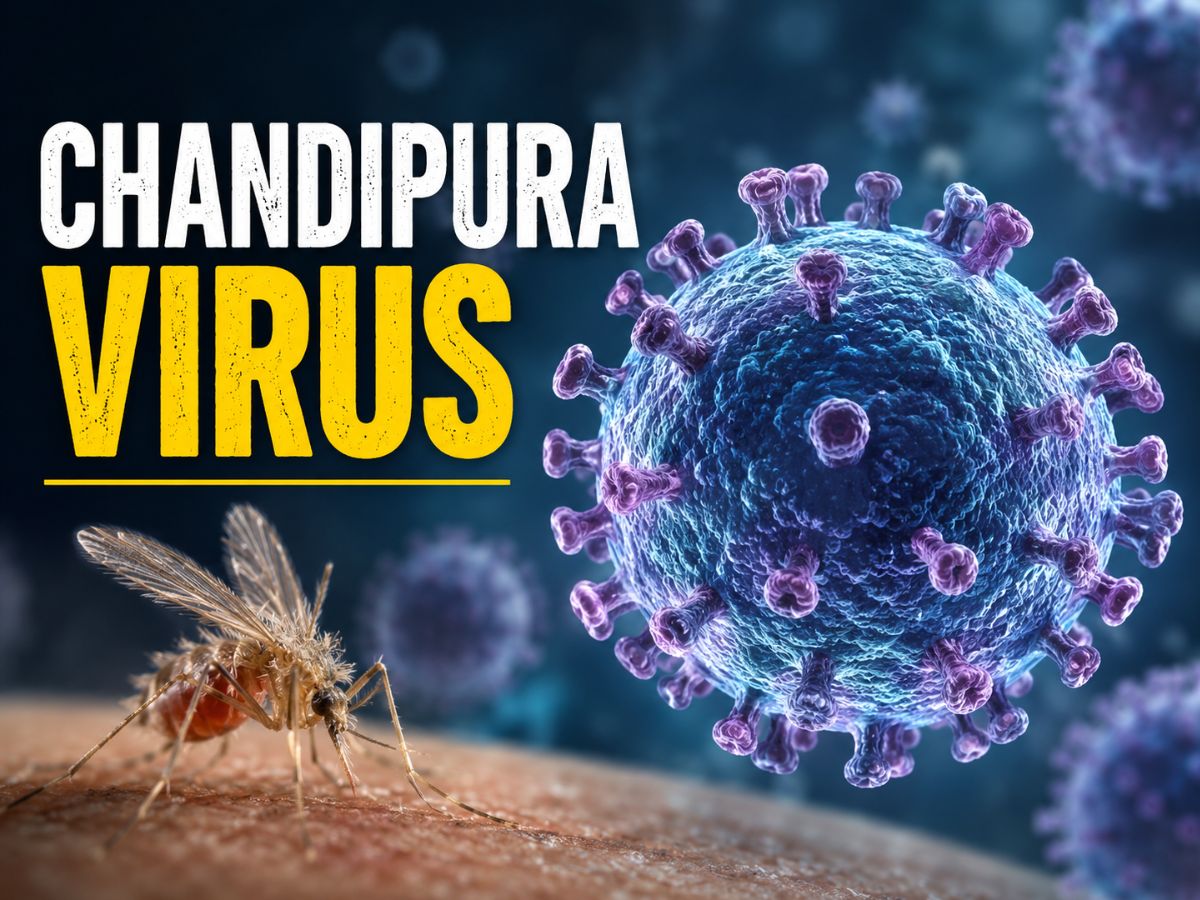
In the monsoon season of 2026, Gujarat experienced an outbreak of Chandipura virus causing acute encephalitis syndrome that resulted in 22 child deaths and 35 confirmed infections among children under 15 years. CHPV is an arbovirus transmitted primarily by sandflies. The Gujarat health department has enhanced surveillance, treatment, and preventive vector control measures including pesticide spraying in animal husbandry areas to contain spread and protect public health in vulnerable pediatric populations.
On this page
Key Facts
- Chandipura virus (CHPV) is an arbovirus belonging to the genus Vesiculovirus and family Rhabdoviridae.
- CHPV is primarily transmitted by sandflies, which are the main vectors in India.
- During the monsoon season of 2026, Gujarat reported 22 deaths among children and 35 confirmed CHPV cases out of 184 suspected cases as of early August.
- All confirmed patients in the Gujarat outbreak are children below 15 years of age.
- Seven CHPV-positive patients received super-specialist treatment at civil hospitals in Gandhinagar, Sabarkantha-Himmatnagar, Patan, Rajkot, and Bhavnagar; six children had recovered and been discharged.
- Preventive measures by the Gujarat health department include enhanced surveillance, treatment efforts, and pesticide spraying in animal husbandry areas to reduce sandfly populations.
- Chandipura virus was first identified in 1965 in Chandipura village, Nagpur district, Maharashtra.
Background & Context
Chandipura virus is an arthropod-borne virus (arbovirus) transmitted chiefly by sandflies. Infection with CHPV can cause acute encephalitis syndrome (AES), characterized by rapid onset of brain inflammation, which may progress to severe neurological impairment and multi-organ failure in critical cases.
Since its discovery in 1965, CHPV has caused sporadic outbreaks in India, primarily affecting children. The monsoon season’s environmental conditions promote sandfly breeding and increase transmission risks. The 2026 Gujarat outbreak underscores the ongoing public health challenge posed by CHPV and the importance of vector control and clinical management.
Why This Matters for Exams
Chandipura virus is an important topic in Indian current affairs, general knowledge, and health syllabus sections of various competitive examinations. Questions may cover virus characteristics, transmission vectors, clinical presentation (acute encephalitis syndrome), vulnerable populations, and public health responses.
Understanding arboviruses and encephalitis syndromes is relevant for biology, medical, and public health exams. The recent Gujarat outbreak in 2026 provides updated context highlighting the epidemiology and control measures for CHPV.
Points to Remember
- CHPV belongs to genus Vesiculovirus, family Rhabdoviridae.
- Sandflies are the primary transmission vector in India.
- First identified in 1965 in Chandipura village, Nagpur district, Maharashtra.
- CHPV infection causes acute encephalitis syndrome, mainly affecting children under 15 years old.
- The 2026 Gujarat outbreak resulted in 22 child deaths and 35 confirmed cases from 184 suspected.
- Confirmed patients were treated in civil hospitals across multiple Gujarat districts.
- Preventive measures include surveillance, treatment improvements, and pesticide spraying to reduce sandfly breeding.
Sources & Further Reading
| Document / Website | Link |
|---|---|
| GKToday - What is Chandipura Virus (CHPV)? | Open GKToday - What is Chandipura Virus (CHPV)? ↗www.gktoday.in |
| Chandipura Virus Disease – Facts & Details | Open Chandipura Virus Disease – Facts & Details ↗www.cdc.gov |
| Arboviruses and Human Health | Open Arboviruses and Human Health ↗www.who.int |