
China's Submarine-Launched Ballistic Missile Test in South Pacific on 6 July 2026
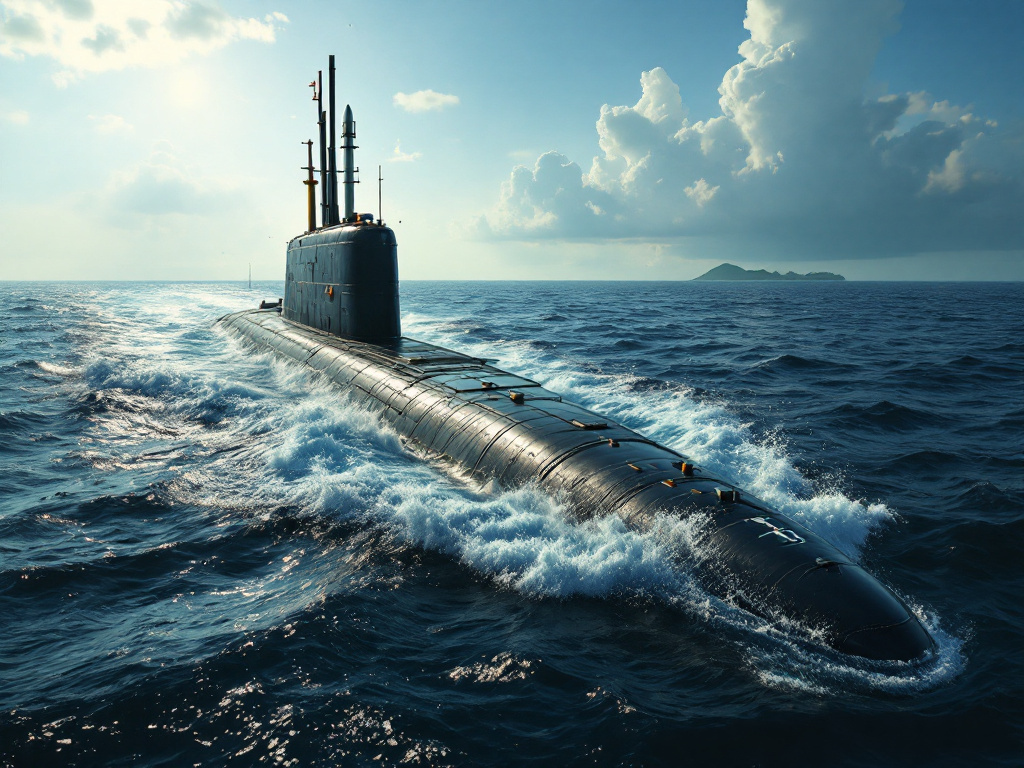
On 6 July 2026, China conducted a submarine-launched ballistic missile (SLBM) test in the South Pacific. The missile, carrying a dummy warhead, was launched at 12:01 p.m. local time (0401 GMT) from a Chinese nuclear-powered submarine within the South Pacific Nuclear Free Zone established by the Treaty of Rarotonga in 1985. This marked China’s first submarine-based ballistic missile test known from a nuclear-powered submarine since 1982 and its second strategic missile test in the Pacific since September 2024, when it fired an intercontinental ballistic missile. The launch coincided with the start of the annual China-Russia Joint Sea-2026 naval exercises off Qingdao. Japan was informed in advance of the test and requested China to reconsider, while New Zealand was informed only hours prior. Australia, New Zealand, and Japan criticized the test.
On this page
Key Facts
- On 6 July 2026 at 12:01 p.m. local time (0401 GMT), China launched a submarine-launched ballistic missile (SLBM) with a dummy warhead from a nuclear-powered submarine in the South Pacific.
- The launch took place within the South Pacific Nuclear Free Zone, established under the Treaty of Rarotonga in 1985, which prohibits the stationing and testing of nuclear explosive devices in this region.
- This was China's first known submarine-based missile test from a nuclear-powered submarine since 1982.
- It was the second strategic missile test China conducted in the Pacific since September 2024, following an intercontinental ballistic missile (ICBM) launch.
- The missile test coincided with the start of the annual Joint Sea-2026 naval exercise, a China-Russia bilateral naval cooperation event held off Qingdao.
- Japan was informed in advance of the missile test and urged China to reconsider; New Zealand received notification only hours before the launch.
- Australia, New Zealand, and Japan publicly criticized the missile test, emphasizing regional security concerns.
- Submarine-launched ballistic missiles are integral elements of sea-based nuclear deterrence and strategic forces.
- A nuclear-powered submarine uses a nuclear reactor for propulsion, providing stealth and endurance advantages.
Background & Context
Submarine-launched ballistic missiles (SLBMs) are ballistic missiles launched from submarines, forming a critical leg of nuclear deterrence by enabling stealthy, second-strike capabilities. The South Pacific Nuclear Free Zone, rooted in the Treaty of Rarotonga (1985), aims to prevent nuclear weapons proliferation and testing in the South Pacific region. China's recent missile activities demonstrate enhanced strategic military capabilities and regional power projection. The Joint Sea-2026 naval exercises showcased growing Sino-Russian naval collaboration. The missile test is significant against the backdrop of geopolitical sensitivities in the Asia-Pacific, especially within zones that restrict nuclear activities.
Why This Matters for Exams / Exam Relevance
This event provides comprehensive coverage for competitive exams on topics including international law and treaties (Treaty of Rarotonga), strategic military technology (submarine-launched ballistic missiles, nuclear-powered submarines), international relations (China’s regional military activities, responses from Australia, New Zealand, Japan), and security dynamics in the Asia-Pacific. Understanding such developments enhances knowledge for questions on nuclear non-proliferation regimes, bilateral defense cooperation (China-Russia), and regional security concerns.
Points to Remember
- The South Pacific Nuclear Free Zone was created by the Treaty of Rarotonga in 1985 to prohibit nuclear weapons and related activities within the South Pacific region.
- China's SLBM test took place on 6 July 2026 from a nuclear-powered submarine, carrying a dummy warhead.
- China previously conducted a strategic missile test in the Pacific in September 2024 with an intercontinental ballistic missile (ICBM), which has a range over 5,500 kilometres.
- Joint Sea-2026 is an annual China-Russia naval exercise held near Qingdao, China, demonstrating naval cooperation between the two countries.
- Nuclear-powered submarines employ nuclear reactors for propulsion, enabling stealth and endurance critical for strategic deterrence.
- Countries voicing criticism over the test include Australia, New Zealand, and Japan, with Japan having received prior notification and requesting reconsideration.
Sources & Further Reading
| Document / Website | Link |
|---|---|
| China Conducts Submarine Launched Ballistic Missile Test | Open China Conducts Submarine Launched Ballistic Missile Test ↗www.gktoday.in |
| Treaty of Rarotonga and Nuclear Free Zones | Open Treaty of Rarotonga and Nuclear Free Zones ↗en.wikipedia.org |
| Submarine-Launched Ballistic Missiles Explained | Open Submarine-Launched Ballistic Missiles Explained ↗www.army-technology.com |