
Discovery of Virus That Kills Drug-Resistant Bacteria
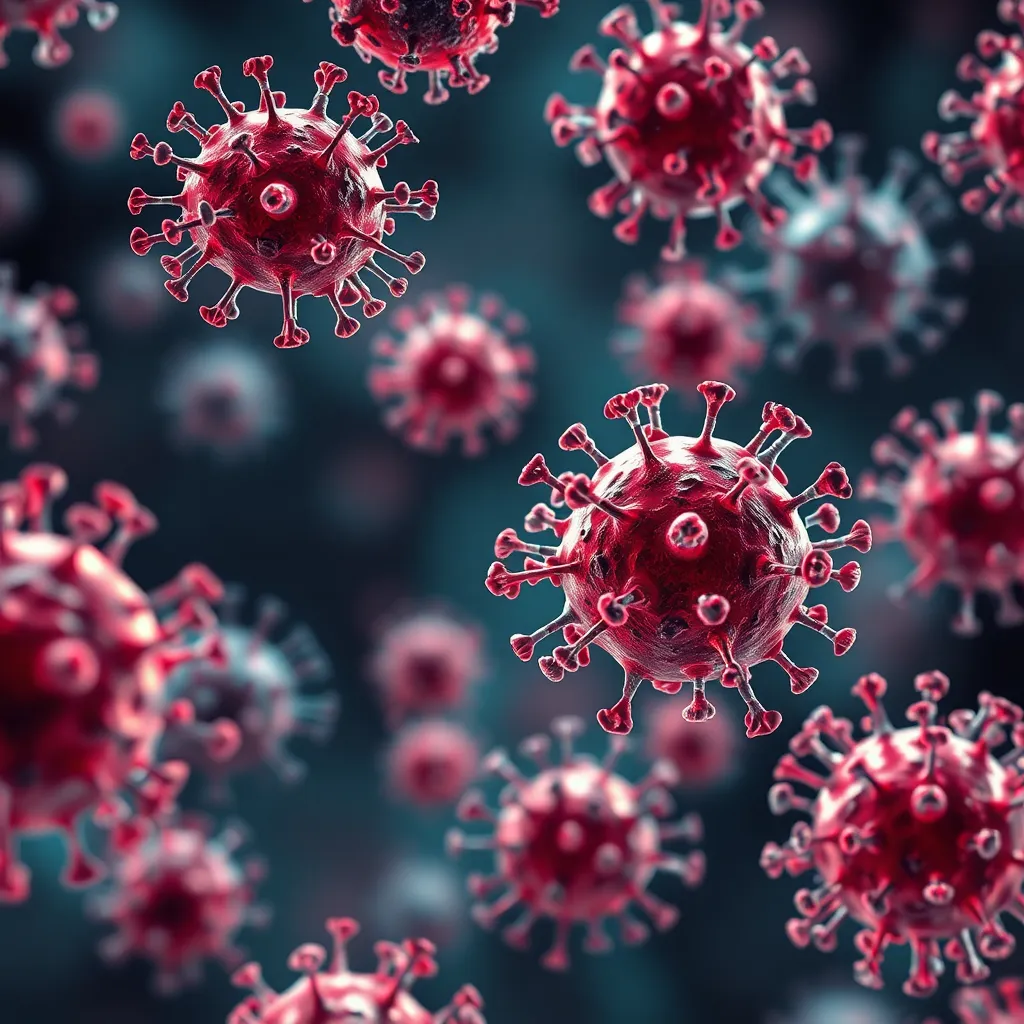
Scientists have identified bacteriophages—viruses that specifically infect and kill drug-resistant bacteria. These viruses act as a natural alternative to combat antimicrobial resistance, which is a growing global public health concern where bacteria survive common antibiotic treatments. Bacteriophages selectively target bacteria without harming human cells and have been studied since the early 20th century. Countries like Georgia, Poland, and the United States have contributed significantly to phage therapy research. Their specificity and ability to destroy resistant bacteria make them promising agents in treating infections increasingly difficult to cure due to antibiotic resistance.
On this page
Key Facts
- Bacteriophages (phages) are viruses that infect bacteria and are the most abundant biological entities on Earth, found in diverse environments including soil, water, and the human body.
- Drug-resistant bacteria are strains that survive treatment with one or more antibiotics, linked to the wider problem of antimicrobial resistance (AMR), recognized by the World Health Organization as a major global health threat.
- Phage therapy utilizes specific bacteriophages to target and kill particular bacterial strains, distinguishing it from antibiotics which often have broad-spectrum effects.
- Phages replicate inside bacterial cells and cause bacterial lysis, thereby eliminating the infection without harming human cells.
- The specificity of phages means that each phage typically infects a narrow range of bacteria, allowing targeted treatment and minimal disruption to the host microbiota.
- Phage therapy has a long history of use in countries such as Georgia and Poland, and more recently in research and clinical contexts in the United States and elsewhere.
Background & Context
Bacteriophages were discovered in the early 20th century as viruses that infect bacteria. The rise of antibiotic-resistant bacteria, caused by genetic mutations and misuse or overuse of antibiotics, has created an urgent need for alternative therapies. Antibiotic resistance limits the effectiveness of conventional drugs for infections such as pneumonia, urinary tract infections, and wounds. Phage therapy offers a complementary or alternative approach by harnessing viruses that naturally prey on bacteria. Scientific research has advanced understanding of phage biology, their classification based on life cycles as lytic or lysogenic phages, and their potential for therapeutic use. Unlike antibiotics, phages offer targeted action and may reduce side effects related to disruption of beneficial bacteria.
Why This Matters for Exams / Exam Relevance
Understanding bacteriophages and phage therapy is critical in topics related to microbiology, infectious diseases, and global health challenges such as antimicrobial resistance. Competitive exams in biology, medicine, and current affairs might test knowledge on the characteristics of bacteriophages, differences between antibiotics and phages, the implications of antimicrobial resistance, and current alternative treatment strategies. Awareness of international efforts in phage research, including historically significant countries like Georgia and Poland as well as ongoing research in the USA, equips students with up-to-date context on innovative solutions against drug-resistant infections.
Points to Remember
- Bacteriophages infect and lyse bacterial cells, leading to bacterial death, and are distinct from antibiotics which chemically inhibit or kill bacteria.
- Antimicrobial resistance results from bacterial genetic changes and antibiotic misuse, complicating treatment of common infections.
- Phage therapy is an emerging or re-emerging alternative/complementary approach to antibiotics, specifically effective against multidrug-resistant bacteria.
- The specificity of phages allows for precise targeting of bacterial pathogens with fewer side effects compared to broad-spectrum antibiotics.
- The World Health Organization lists antimicrobial resistance as one of the greatest threats to global health, underlining the importance of alternative treatments such as phage therapy.
- Phage therapy has a strong research background in countries like Georgia and Poland, with increasing interest internationally.
Sources & Further Reading
| Document / Website | Link |
|---|---|
| Scientists discover virus that kills drug-resistant bacteria | Open Scientists discover virus that kills drug-resistant bacteria ↗www.gktoday.in |
| How Phages Overcome the Challenges of Drug Resistant Bacteria in Clinical Infections - PMC | Open How Phages Overcome the Challenges of Drug Resistant Bacteria in Clinical Infections - PMC ↗pmc.ncbi.nlm.nih.gov |
| Phage therapy: An alternative to antibiotics in the age of multi-drug resistance - PMC | Open Phage therapy: An alternative to antibiotics in the age of multi-drug resistance - PMC ↗pmc.ncbi.nlm.nih.gov |