
Etor Gidi Festival: Agricultural and Cultural Significance for the Adi Tribe of Arunachal Pradesh
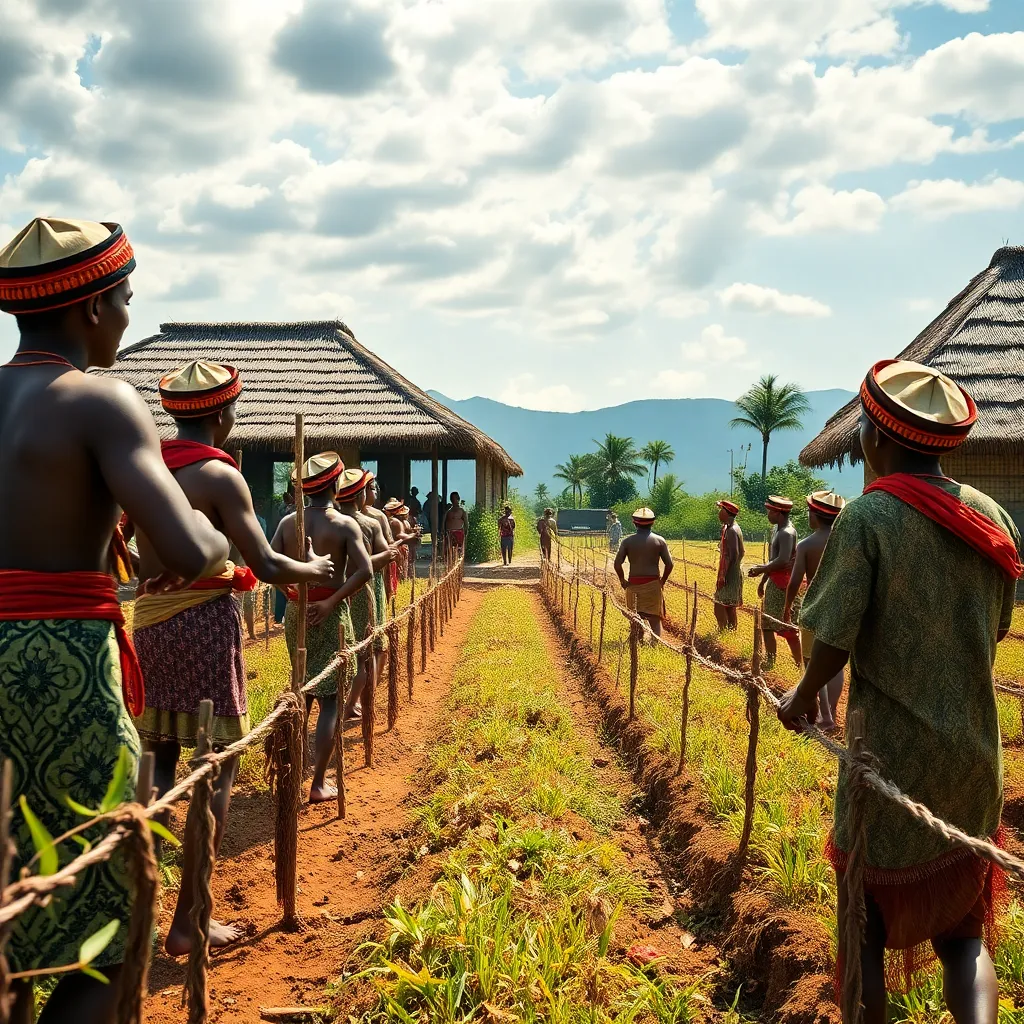
Etor Gidi is a traditional agro-based festival celebrated by the Adi community in Arunachal Pradesh, marking the start of the farming season around mid-May. The festival involves communal construction and repair of fences around agricultural lands to protect crops from animals, symbolizing village solidarity and collective responsibility. Cultural events include the performance of Delong, a traditional male folk dance, held in the village community hall known as Dere or Musup. Etor Gidi reflects the Adi people's dependence on agriculture, respect for nature, and social cooperation, making it a relevant topic for competitive exams focusing on indigenous cultures and festivals of India.
On this page
Key Facts
- Etor Gidi is celebrated by the Adi tribe in Arunachal Pradesh.
- The festival usually occurs in mid-May, marking the beginning of the agricultural season.
- "Etor" means fencing in the Adi language; the festival centers on the communal repair and construction of fences to protect fields from cattle and wild animals.
- The Adi community performs the Delong dance, a traditional male folk dance, during the festival.
- Celebrations generally take place in the Dere or Musup, a traditional community hall or dormitory in the village.
- The festival is associated with agricultural rituals, communal prayers, feasting, and social gatherings.
Background & Context
The Adi tribe is a major indigenous group in Arunachal Pradesh who practice both wet rice and shifting cultivation. Their agrarian calendar includes Etor Gidi as an important festival commencing the farming season. Fencing agricultural lands collectively ensures crop protection from domestic animals like mithuns and wild creatures, reflecting a shared responsibility and communal cooperation. The festival strengthens social bonds and cultural identity through traditional rituals, dance performances like the Delong, and gatherings in the Dere/Musup, which serves as a social and cultural center in Adi villages.
Why This Matters for Exams / Exam Relevance
Etor Gidi is a significant cultural and agricultural festival frequently referenced in Indian competitive examinations under topics such as tribal customs, regional festivals, and indigenous agricultural practices. Understanding this festival offers insight into the socio-cultural fabric of Arunachal Pradesh's Adi community and helps in appreciating India’s ethnic diversity. Memorizing key terms, including the meanings of "Etor" (fencing), the timing (mid-May), and cultural elements like the Delong dance and Dere community hall, is useful for exam success.
Points to Remember
- "Etor" means fencing, highlighting the festival's connection to protecting crops.
- The festival is celebrated in mid-May to coincide with the start of the agricultural season.
- The Delong dance is a male folk dance performed during Etor Gidi.
- Dere or Musup is a communal hall where social and cultural activities occur.
- Etor Gidi embodies community cooperation, agricultural livelihood, and cultural traditions of the Adi tribe.
Sources & Further Reading
| Document / Website | Link |
|---|---|
| Etor Gidi Festival celebrated by Adi community | Open Etor Gidi Festival celebrated by Adi community ↗www.gktoday.in |
| Etor Festival - Utsav.gov.in | Open Etor Festival - Utsav.gov.in ↗utsav.gov.in |
| Culture & Heritage of East Siang District, Arunachal Pradesh | Open Culture & Heritage of East Siang District, Arunachal Pradesh ↗eastsiang.nic.in |
| Adis - Lower Dibang Valley District, Arunachal Pradesh | Open Adis - Lower Dibang Valley District, Arunachal Pradesh ↗roing.nic.in |