
Great Barrier Reef Hard Coral Cover Rebounds to 35.1% in 2026 After Bleaching
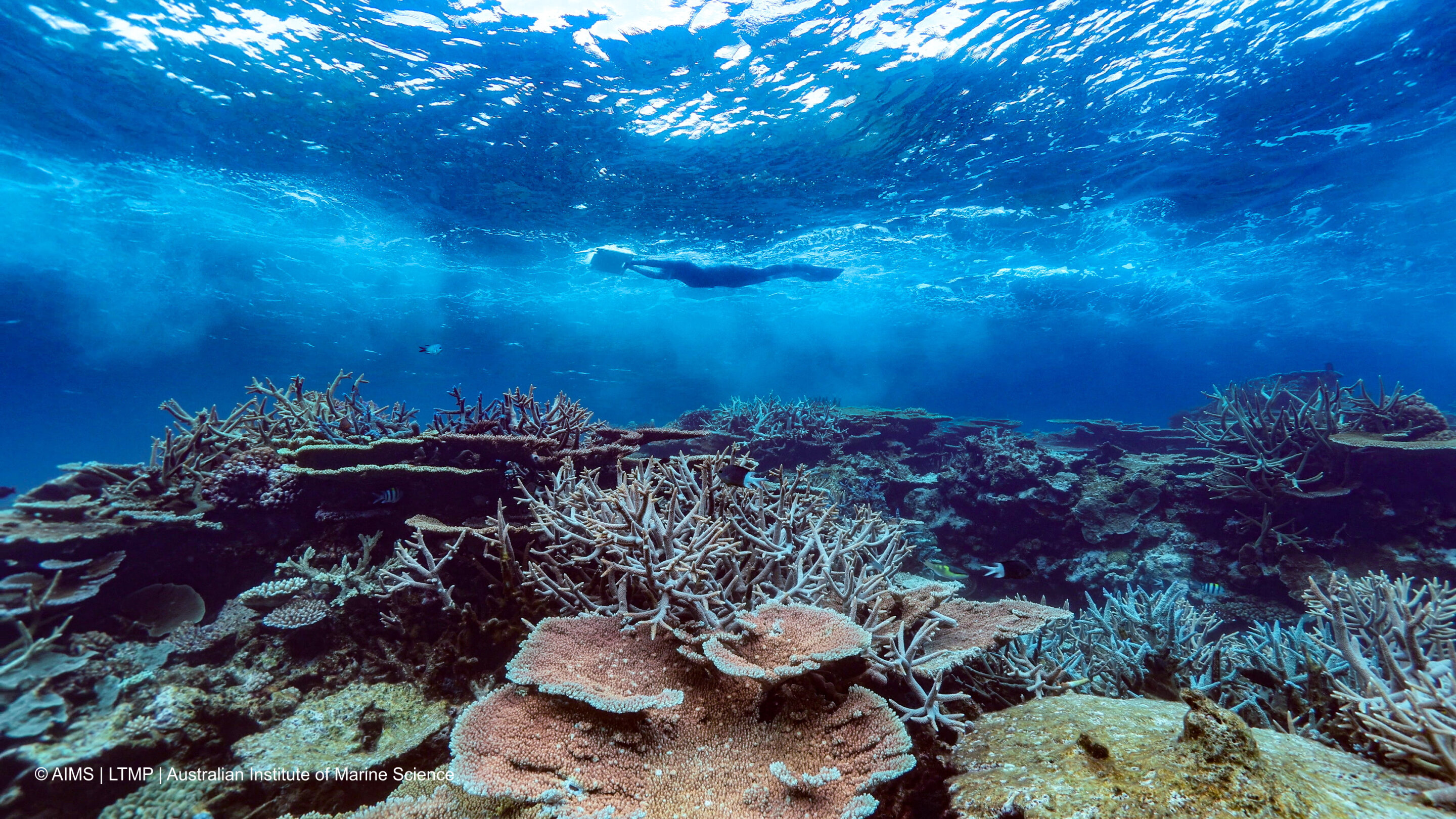
The Australian Institute of Marine Science (AIMS) released the 2025/26 Long-Term Monitoring Program Annual Summary Report on 11 August 2026, highlighting a rebound in hard coral cover in parts of the Great Barrier Reef. The Northern region's hard coral cover increased to 35.1% from a record low of 30% in 2025. The Central region also saw an increase from 28.6% to 31.6%, while the Southern region experienced a slight decline from 26.9% to 26.4%. Factors such as a late-summer monsoon resulting in cooler sea surface temperatures contributed to reduced heat stress on corals, aiding recovery. Despite ongoing challenges including crown-of-thorns starfish outbreaks, climate-induced disruptions, and cyclones, the reef shows signs of resilience. Notably, in July 2026, UNESCO's World Heritage Committee decided not to list the Great Barrier Reef as 'in danger'.
On this page
Key Facts
- The Australian Institute of Marine Science (AIMS) conducted its 2025/26 Long-Term Monitoring Program (LTMP) covering 121 reefs of the Great Barrier Reef.
- Hard coral cover in the Northern region rose to 35.1% by June 2026, up from a record low of 30% in 2025.
- In the Central region, hard coral cover increased from 28.6% in 2025 to 31.6% in 2026.
- The Southern region saw a slight decline from 26.9% to 26.4%.
- Coral cover remained unchanged on 56% of reefs, increased on 28%, and decreased on 16%.
- The Great Barrier Reef is the world's largest coral reef system located in the Coral Sea off Queensland, Australia.
- Hard coral cover is a key monitoring measure indicating the proportion of reef surface occupied by living hard corals.
- A late-summer monsoon in early 2026 brought cooler sea surface temperatures, which helped reduce coral heat stress during bleaching events.
- Major ongoing threats include outbreaks of the coral-eating crown-of-thorns starfish, cyclones, and climate-induced disruptions.
- In July 2026, UNESCO World Heritage Committee decided not to list the Great Barrier Reef as a site in danger.
Background & Context
The Great Barrier Reef, a UNESCO World Heritage Site, has faced severe coral bleaching events due to rising ocean temperatures influenced by climate change. Bleaching occurs when corals under heat stress expel their symbiotic algae (zooxanthellae), leading to reduced coral health and death if prolonged. Hard coral cover serves as an essential indicator to assess reef condition over time. The Australian Institute of Marine Science's LTMP is a long-term reef-monitoring program that tracks coral cover and mortality across the Northern, Central, and Southern sectors of the reef. The 2025/26 survey shows signs of ecological recovery particularly in northern and central sectors, likely influenced by cooler sea temperatures from the late-summer monsoon and localized environmental factors. Nevertheless, the reef remains vulnerable to crown-of-thorns starfish outbreaks and cyclone damage.
Why This Matters for Exams / Exam Relevance
Knowledge of the Great Barrier Reef's ecological status, threats, and monitoring programs is commonly tested in environment, ecology, and geography sections of competitive exams. Understanding the role of AIMS and the LTMP in assessing reef health, concepts such as coral bleaching and hard coral cover as a key metric, as well as awareness of UNESCO World Heritage status and decisions are important. The dates of reports (2025/26), percentages of coral cover changes by region, and impacts of climatic events like monsoons are crucial details. Moreover, the ecological significance of species like crown-of-thorns starfish in reef degradation is frequently questioned.
Points to Remember
- The Great Barrier Reef is located in the Coral Sea off the coast of Queensland, Australia.
- Hard coral cover measures the percentage area of reef surface occupied by living hard corals.
- The 2025/26 AIMS Long-Term Monitoring Program reported coral cover rebounding to 35.1% in the Northern region, an increase from 30% in 2025.
- The Central region's coral cover also improved; the Southern region had a marginal decline.
- The LTMP survey assessed 121 reefs, with coral cover stable on most reefs.
- Late-summer monsoon rainfall and cloud cover in early 2026 helped reduce sea surface temperatures, lowering coral heat stress.
- Crown-of-thorns starfish are coral predators that significantly damage coral populations.
- Climate-induced challenges remain major threats to the reef's future resilience.
- UNESCO's World Heritage Committee decided in July 2026 not to list the Great Barrier Reef as a site in danger.
- The Australian Institute of Marine Science (AIMS) is responsible for long-term reef ecosystem monitoring.
Sources & Further Reading
| Document / Website | Link |
|---|---|
| Great Barrier Reef coral cover rebounds to 35.1% | Open Great Barrier Reef coral cover rebounds to 35.1% ↗www.gktoday.in |
| UNESCO World Heritage Committee: Great Barrier Reef | Open UNESCO World Heritage Committee: Great Barrier Reef ↗whc.unesco.org |
| Australian Institute of Marine Science LTMP reports | Open Australian Institute of Marine Science LTMP reports ↗www.aims.gov.au |