
Hiroshima Marks 81st Anniversary of Atomic Bombing
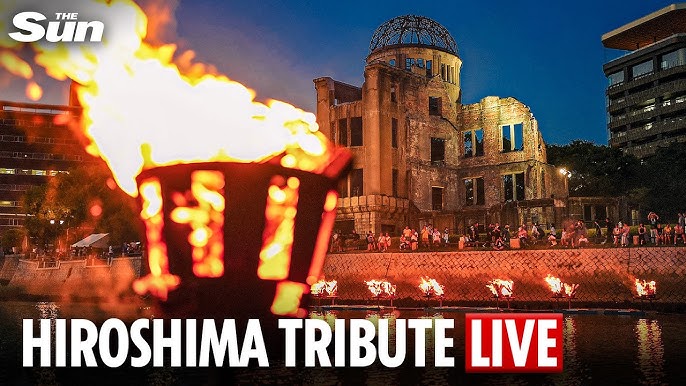
On August 6, 2026, Hiroshima commemorated the 81st anniversary of the atomic bombing that occurred on August 6, 1945, during World War II. The annual Peace Memorial Ceremony was held at Hiroshima Peace Memorial Park, attended by about 50,000 people including representatives from approximately 120 countries. The Mayor of Hiroshima, Kazumi Matsui, delivered the Peace Declaration calling for the abolition of nuclear weapons, while Japanese Prime Minister Sanae Takaichi attended the ceremony for the first time as prime minister and reaffirmed Japan's Three Non-Nuclear Principles. The evening featured the Toro Nagashi lantern floating ceremony on the Motoyasu River to honor victims and promote peace.
On this page
Key Facts
- The atomic bombing of Hiroshima occurred on August 6, 1945, during World War II.
- The 81st anniversary was commemorated on August 6, 2026.
- The main event took place at Hiroshima Peace Memorial Park, with an official ceremony from 8:00 AM to 8:50 AM.
- A moment of silence was observed at 8:15 AM, the exact time the bomb was dropped in 1945.
- Approximately 50,000 people attended the ceremony, including representatives from about 120 countries and regions.
- Hiroshima's Mayor Kazumi Matsui delivered the Peace Declaration, calling for nuclear disarmament and describing nuclear weapons as tools of intimidation.
- Japanese Prime Minister Sanae Takaichi attended the ceremony for the first time as premier, reaffirming Japan's Three Non-Nuclear Principles: not possessing, not producing, and not permitting the introduction of nuclear weapons.
- The Toro Nagashi lantern floating ceremony was held in the evening on the Motoyasu River, linked with remembrance of atomic bomb victims.
- Nagasaki was bombed three days later on August 9, 1945.
- The Hiroshima Peace Memorial, commonly known as the Atomic Bomb Dome, is a UNESCO World Heritage Site.
- Atomic bomb survivors, known as hibakusha, have an average age exceeding 86 years and continue advocacy against nuclear arms and military expansion.
Background & Context
During World War II, the United States dropped an atomic bomb on Hiroshima on August 6, 1945, marking the first use of nuclear weapons in warfare. Three days later, Nagasaki was similarly bombed. These events precipitated the surrender of Japan and the end of the war. In the decades since, Hiroshima has held annual memorial ceremonies to honor victims, promote peace, and advocate nuclear disarmament globally. The Atomic Bomb Dome serves as a poignant symbol of resilience and the devastating human cost of nuclear warfare. Survivors, called hibakusha, play a critical role in educating the public on the catastrophic effects of nuclear weapons and urging their abolition.
Why This Matters for Exams / Exam Relevance
The Hiroshima atomic bombing remains a significant topic in history and current affairs exams, especially in the context of World War II, nuclear disarmament, and international peace initiatives. Important elements include the date and impact of the bombings (August 6 and 9, 1945), key figures such as Hiroshima Mayor Kazumi Matsui and Japanese Prime Minister Sanae Takaichi, and Japan’s Three Non-Nuclear Principles. Awareness of annual peace events like the Toro Nagashi ceremony and the status of hibakusha provides depth for essay and general studies questions related to global security, humanitarian issues, and Japan's post-war policies.
Points to Remember
- Atomic bombing dates: Hiroshima on August 6, 1945, and Nagasaki on August 9, 1945.
- The 81st anniversary was observed on August 6, 2026, with ceremonies commencing at 8:00 AM and silence at 8:15 AM.
- Hiroshima Peace Memorial Park hosts the annual Peace Memorial Ceremony, attended by thousands including international dignitaries.
- The Hiroshima Peace Memorial (Atomic Bomb Dome) is a UNESCO World Heritage Site symbolizing the bomb’s tragic legacy.
- Japan’s Three Non-Nuclear Principles prohibit the possession, production, and introduction of nuclear weapons into the country.
- Hibakusha survivors average over 86 years old and actively advocate for nuclear disarmament and peace.
- The Toro Nagashi ceremony involves floating lanterns on the Motoyasu River to honor victims.
Sources & Further Reading
| Document / Website | Link |
|---|---|
| Hiroshima marks 81st anniversary of atomic bombing | Open Hiroshima marks 81st anniversary of atomic bombing ↗www.gktoday.in |
| World War II and the Atomic Bomb | Open World War II and the Atomic Bomb ↗www.history.com |
| Japan's Three Non-Nuclear Principles | Open Japan's Three Non-Nuclear Principles ↗www.mofa.go.jp |