
I-2SEA Submarine Cable System Connecting India, Malaysia, and Singapore Launched
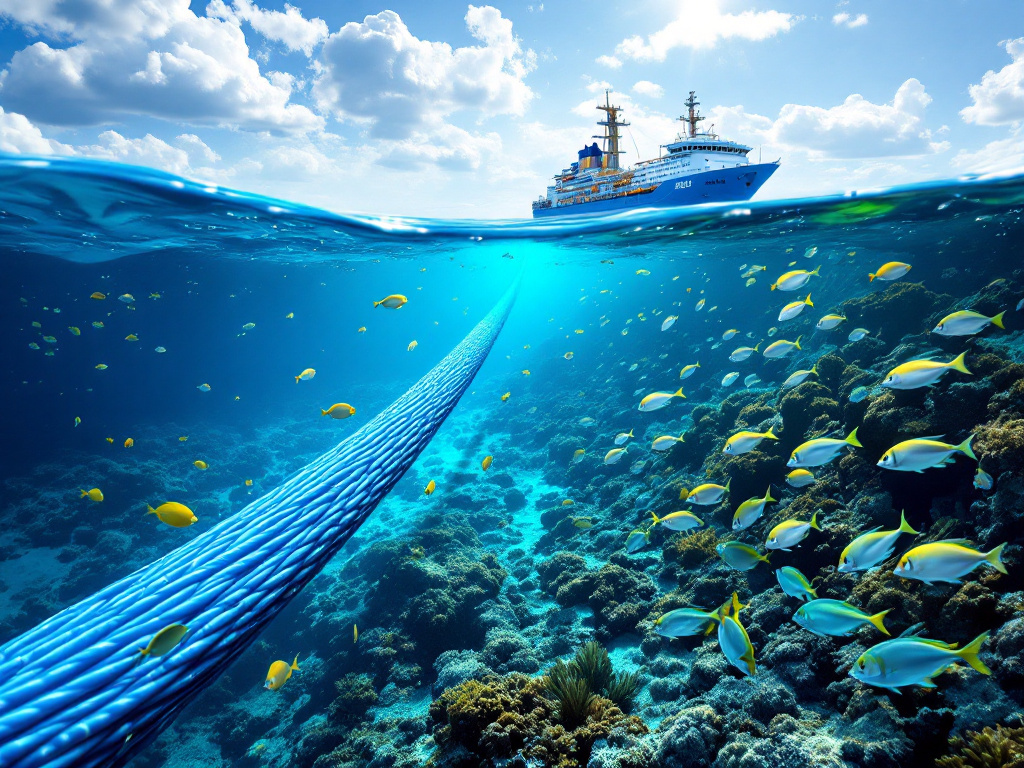
On July 2, 2026, a consortium comprising Lightstorm, Microsoft, Singtel, and Tata Communications unveiled the I-2SEA submarine cable system designed to enhance connectivity between India, Malaysia, and Singapore. Spanning approximately 3,600 kilometers, the cable will connect Singapore to Machilipatnam and South Chennai on India’s east coast, facilitating increased AI and cloud infrastructure capabilities. NEC Corporation serves as the system supplier, and ASEAN Cableship handles marine installation. The project aims to be ready for service by Q4 2029, targeting the growing demand for hyperscalers and enterprises managing AI workloads across the India–Southeast Asia corridor.
On this page
Key Facts
- Project Name: I-2SEA submarine cable system
- Unveiled: July 2, 2026
- Consortium Members: Lightstorm (majority owner), Microsoft, Singtel, Tata Communications
- System Supplier: NEC Corporation
- Marine Installation Partner: ASEAN Cableship (Singapore)
- Cable Length: Approximately 3,600 kilometres
- Landing Points: Singapore; India (Machilipatnam and South Chennai); Malaysia (near Kuala Lumpur)
- Scheduled Ready-for-Service (RFS): Fourth quarter of 2029
- Purpose: Provide enhanced connectivity for hyperscalers, GPU infrastructure providers, enterprises running AI training and inference workloads
Background & Context
Submarine fibre-optic cables are critical infrastructure that carries a vast majority of global internet, cloud service, and enterprise data traffic across continents and islands. The I-2SEA cable system is designed to meet the rapidly growing bandwidth demands in the India–Southeast Asia corridor. It connects key AI and hyperscaler data centre clusters, with Machilipatnam providing the shortest subsea access to Hyderabad, a major tech hub. South Chennai serves as a secondary diverse landing point in India to improve resilience and redundancy.
NEC Corporation, an established Japanese multinational specializing in telecommunications network infrastructure, is appointed as the turnkey system supplier. ASEAN Cableship will undertake marine installation operations.
Why This Matters for Exams / Exam Relevance
Understanding the I-2SEA project is important to grasp contemporary developments in international telecommunications infrastructure, digital economy, and India’s expanding role in global data networks. The involvement of leading technology companies and the strategic landing locations highlight key elements of India’s digital connectivity strategy. This is relevant for current affairs, technology, infrastructure, and geopolitics sections in exams.
Points to Remember
- I-2SEA is approximately 3,600 km in length connecting Singapore to India with dual landing stations (Machilipatnam and South Chennai).
- The consortium includes Lightstorm (majority owner), Microsoft, Singtel, and Tata Communications.
- NEC Corporation is the system supplier; ASEAN Cableship is the marine installation partner.
- Targeted ready-for-service date is Q4 2029.
- The cable caters specifically to hyperscalers, enterprises, and GPU infrastructure providers focusing on AI-related workloads.
- Dual Indian landing points ensure network diversity and improved connectivity to major AI hubs, especially Hyderabad.
- The project will enhance digital infrastructure across India, Malaysia, and Singapore, strengthening regional tech ecosystems.
Sources & Further Reading
| Document / Website | Link |
|---|---|
| What is the India-Malaysia and Singapore Submarine Cable Project? - GKToday | Open What is the India-Malaysia and Singapore Submarine Cable Project? - GKToday ↗www.gktoday.in |
| Submarine cable system project linking India, Malaysia, Singapore unveiled - The Hindu | Open Submarine cable system project linking India, Malaysia, Singapore unveiled - The Hindu ↗www.thehindu.com |
| Role of submarine cables in international data transmission - NOAA | Open Role of submarine cables in international data transmission - NOAA ↗www.noaa.gov |