
India Advances Indigenous 'Ghatak' Stealth UCAV Deployment Plan
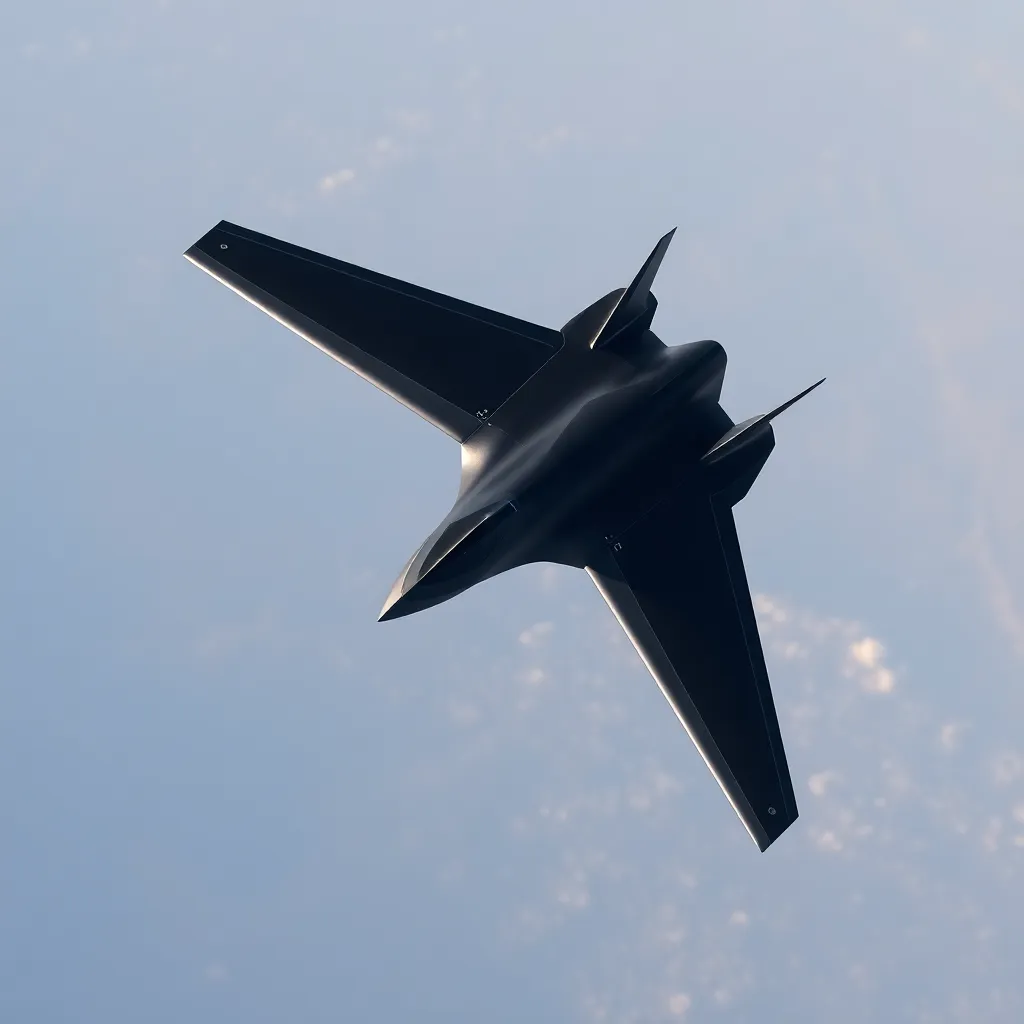
On March 27, 2026, India's Defence Acquisition Council approved the procurement of four squadrons of the indigenous stealth unmanned combat aerial vehicle (UCAV) called 'Ghatak'. Developed by DRDO's Aeronautical Development Establishment, the Ghatak UCAV features a 13-tonne class, tailless flying-wing design with a largely carbon-fiber composite airframe, powered by an indigenous Kaveri jet engine. It can internally carry up to 1.5 tonnes of weapons enhancing stealth characteristics. Intended for deep strike and SEAD missions, the UCAV will operate alongside manned fighters such as the LCA Tejas. This programme is a critical milestone in India's defence modernisation under the Vision 2047 roadmap and reflects the emphasis on autonomous warfare and technological self-reliance.
On this page
Key Facts
Approval Date: March 27, 2026
Approving Body: Defence Acquisition Council (DAC)
Programme Name: Ghatak UCAV (formerly Autonomous Unmanned Research Aircraft - AURA)
Developer: Defence Research and Development Organisation (DRDO), Aeronautical Development Establishment
Design: 13-tonne class, jet-powered tailless flying-wing stealth drone
Material: 80–90% carbon-fibre prepreg composites for airframe
Engine: Indigenous Kaveri jet engine
Weapon Capacity: Up to 1.5 tonnes in internal weapon bays
Induction Plan: Four squadrons totaling 60–80 drones
Operational Role: Deep strike missions, suppression of enemy air defences (SEAD), coordinated operations with manned fighters like LCA Tejas
Background & Context
The Ghatak programme is a strategic component of India’s long-term defence modernisation under the Vision 2047 roadmap, reflecting a move towards technological self-reliance and enhanced aerial combat capabilities. Developed by DRDO’s Aeronautical Development Establishment, the Ghatak UCAV embodies advanced stealth features, including a tailless flying-wing design which reduces radar cross-section, and the extensive use of carbon-fiber composites to enhance low observability. Powered by the indigenous Kaveri engine, it signifies progress in India’s aerospace engineering and defence production capabilities.
The Defence Acquisition Council’s approval on 27 March 2026 cleared procurement of four squadrons, with 60–80 units planned for induction, highlighting India’s focus on autonomous warfare and network-centric operations.
Why This Matters for Exams / Exam Relevance
The Ghatak UCAV programme is highly relevant for exams on current affairs, defence technology, and India’s strategic initiatives in military modernization. Key facts including the DAC approval date, DRDO’s role, indigenous technology such as the Kaveri engine, and the programme's aims for stealth and autonomous operations are important for competitive exams covering defence and technology sectors.
Points to Remember
'Ghatak' means 'deadly' in Sanskrit.
Prior designation of the programme was Autonomous Unmanned Research Aircraft (AURA).
The tailless flying-wing design and carbon-fiber composites notably enhance stealth characteristics by reducing radar visibility.
Kaveri is an indigenous jet engine project developed to power the UCAV, supporting India's self-reliance in aerospace propulsion.
The UCAV is designed to undertake high-risk combat missions such as deep strikes and SEAD without endangering human pilots.
The programme underscores India's emphasis on indigenous defense production aligning with Vision 2047.
Sources & Further Reading
| Document / Website | Link |
|---|---|
| India Advances Ghatak Stealth UCAV Deployment Plan | Open India Advances Ghatak Stealth UCAV Deployment Plan ↗www.gktoday.in |
| 'Ghatak' for enemies: India moves closer to getting 4 squadrons of stealth UCAVs | Open 'Ghatak' for enemies: India moves closer to getting 4 squadrons of stealth UCAVs ↗timesofindia.indiatimes.com |
| Ghatak UCAV to Feature Indigenous Miniaturized Low-Probability-of-Intercept AESA Radar | Open Ghatak UCAV to Feature Indigenous Miniaturized Low-Probability-of-Intercept AESA Radar ↗idrw.org |