
India and Japan Sign Agreements to Strengthen Cooperation in Quantum Technology and Health Research
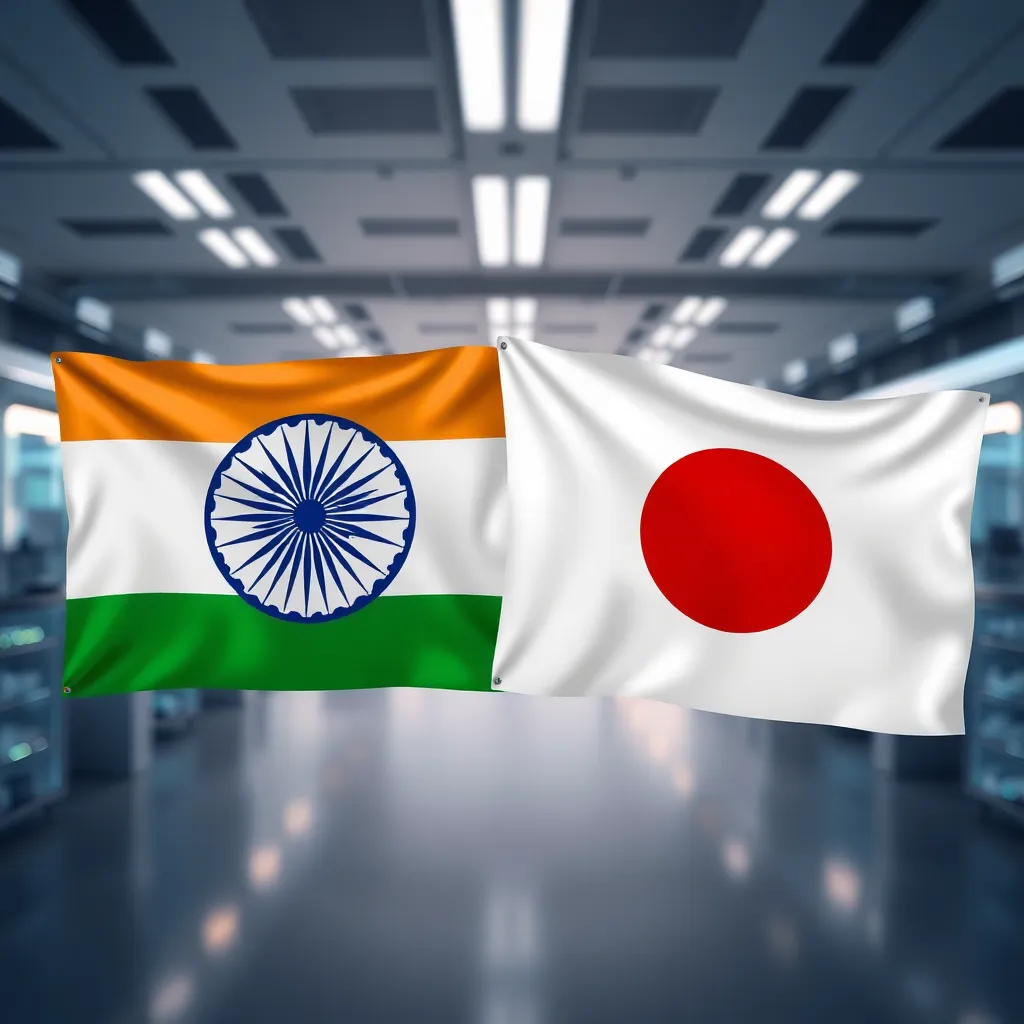
On May 6, 2026, India and Japan signed key agreements to deepen bilateral cooperation in emerging technologies, focusing on quantum science and health research. The agreements include a Memorandum of Cooperation between Indian medical research bodies (ICMR and DST) and Japan's AMED on medical devices, and a Letter of Intent between Japan's Cabinet Office and India's DST on quantum science collaboration. This partnership leverages Japan's advanced technological capabilities and India's large talent pool to accelerate innovation in quantum computing, communication, sensing, and biomedical research, aligning with India's National Quantum Mission and expanding scientific exchange and industrial partnerships.
On this page
Key Facts
- Date of signing: May 6, 2026
- Location: New Delhi, India
- Agreements signed: Memorandum of Cooperation (MoC) on health and medical devices; Letter of Intent (LoI) on quantum science and technology
- Indian partners: Indian Council of Medical Research (ICMR), Department of Science and Technology (DST)
- Japanese partners: Japan Agency for Medical Research and Development (AMED), Japan's Cabinet Office
- Fields of cooperation: Quantum computing, quantum communication, quantum sensing, health research, medical devices
- Related initiative: India’s National Quantum Mission
Background & Context
India and Japan have a history of bilateral cooperation in science and technology including areas like space science, clean energy, and information technology. The recent agreements build on outcomes from Prime Minister Narendra Modi's visit to Japan in August 2025, aiming to expand the India-Japan Science, Technology and Innovation Partnership.
Quantum technology is founded on quantum mechanics principles such as superposition and entanglement, enabling advancements in computing, secure communication, sensing, and cryptography. Health research collaboration encompasses biomedical studies, clinical trials, and joint efforts in disease prevention and medical device development.
Why This Matters for Exams / Exam Relevance
This development highlights India’s strategic focus on frontier technologies and international scientific collaborations, relevant for competitive exams covering bilateral relations, technological initiatives, and national missions. Knowledge of the involved institutions, technology focus areas, and India-Japan relations aligns with syllabus topics related to science diplomacy and technology policy.
Points to Remember
- The agreements were signed in New Delhi on May 6, 2026.
- MoC was signed between India's ICMR and DST and Japan's AMED on health and medical devices.
- A Letter of Intent was signed between Japan's Cabinet Office and India's DST on cooperation in quantum science and technology.
- Focus areas include quantum computing, communication, sensing, and health research collaboration.
- These agreements support India’s National Quantum Mission and promote researcher mobility, joint innovation, and industrial partnerships.
- India offers a large talent pool; Japan contributes advanced technological capabilities, including AI and manufacturing expertise.
- Quantum mechanics principles underpin the emerging quantum technologies enabling secured communication and high-performance computing.
Sources & Further Reading
| Document / Website | Link |
|---|---|
| India and Japan Sign Agreements in Quantum Technology, Health Research Cooperation - The Times of India | Open India and Japan Sign Agreements in Quantum Technology, Health Research Cooperation - The Times of India ↗timesofindia.indiatimes.com |
| India, Japan Ink Pacts on Health Research, Quantum Technologies - The Hans India | Open India, Japan Ink Pacts on Health Research, Quantum Technologies - The Hans India ↗www.thehansindia.com |
| Applications of Quantum Mechanics in Technology - Department of Energy | Open Applications of Quantum Mechanics in Technology - Department of Energy ↗www.energy.gov |
| India-Japan Science, Technology and Innovation Partnership - Press Information Bureau | Open India-Japan Science, Technology and Innovation Partnership - Press Information Bureau ↗pib.gov.in |