
India Conducts Maiden Test of Nuclear-Capable Intercontinental Ballistic Missile (ICBM)
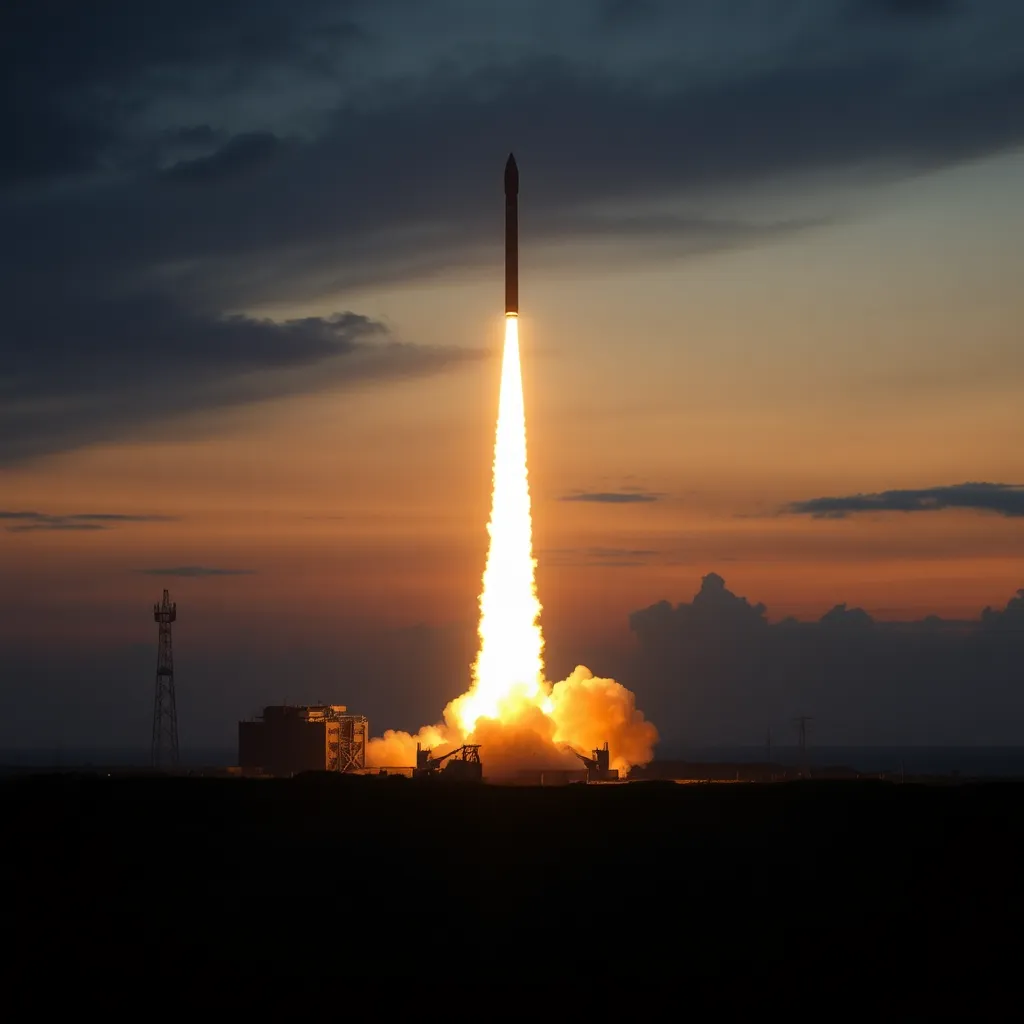
On 8 May 2026, India successfully conducted the maiden test of a nuclear-capable intercontinental ballistic missile (ICBM) from Abdul Kalam Island off the Odisha coast. The missile followed a trajectory covering a dangerous corridor of about 3,560 km over the Bay of Bengal. The test enhances India's strategic deterrence and marks its entry into a select group of nations possessing ICBM technology. Abdul Kalam Island, formerly known as Wheeler Island, is the primary missile testing facility managed by DRDO. The test was preceded by a Notice to Airmen issued from 6 to 9 May 2026 and was closely preceded by the maiden flight trial of the Tactical Advanced Range Augmentation (TARA) glide weapon system on 7 May 2026.
On this page
Key Facts
- Date of test: 8 May 2026
- Missile type: Nuclear-capable intercontinental ballistic missile (ICBM)
- Launch site: Abdul Kalam Island, Odisha coast
- Test corridor range: Approximately 3,560 km over the Bay of Bengal
- Notice to Airmen issued for airspace restriction from 6 to 9 May 2026
- Test closely followed the maiden flight trial of the Tactical Advanced Range Augmentation (TARA) glide weapon system on 7 May 2026
- Test managed by Defence Research and Development Organisation (DRDO)
Background & Context
An intercontinental ballistic missile (ICBM) is defined as a long-range ballistic missile with a range exceeding 5,500 km, capable of delivering nuclear or conventional warheads over intercontinental distances following a ballistic trajectory. India's indigenous Agni missile family, developed under DRDO, includes missiles such as Agni-V classified as ICBM. Abdul Kalam Island, formerly Wheeler Island, is a missile test site situated off the Odisha coast near Chandipur, hosting the Integrated Test Range and serving as the test facility for most of India’s missile programs. India’s missile tests, particularly long-range ones, are conducted over designated sea corridors in the Bay of Bengal to ensure safety and mitigate risks to civilian populations and navigation.
Why This Matters for Exams
This test marks a major milestone in India's strategic defense capabilities, signaling the country's mastery of complex missile propulsion, guidance, and re-entry technologies needed for operational ICBMs. Inclusion in the elite group of nations with ICBM capabilities enhances India's strategic deterrence posture under the Nuclear Command Authority framework. The event is highly relevant for exams focusing on India’s defense developments, strategic deterrence doctrines, missile technology classifications, and indigenous technological advancements in the defense sector.
Points to Remember
- ICBM is defined by range: >5,500 km; India’s test involved a corridor of about 3,560 km, indicating ongoing development towards full ICBM range capability.
- Abdul Kalam Island is India’s primary missile testing site, named after former President and scientist A.P.J. Abdul Kalam (formerly Wheeler Island).
- India’s missile development and testing are managed by DRDO under the strategic oversight of the Nuclear Command Authority.
- The Tactical Advanced Range Augmentation (TARA) glide weapon system was tested just prior to the ICBM test, indicating concurrent advancements in missile and hypersonic technologies.
- Notice to Airmen (NOTAM) ensures safety during missile flights, highlighting procedural aspects linked to missile testing.
Sources & Further Reading
| Document / Website | Link |
|---|---|
| India Conducts Maiden Test of Nuclear-Capable ICBM – GKToday | Open India Conducts Maiden Test of Nuclear-Capable ICBM – GKToday ↗www.gktoday.in |
| India conducts its maiden test of 'nuclear-capable ICBM' off Odisha coast - The Times of India | Open India conducts its maiden test of 'nuclear-capable ICBM' off Odisha coast - The Times of India ↗timesofindia.indiatimes.com |
| Abdul Kalam Island - Wikipedia | Open Abdul Kalam Island - Wikipedia ↗en.wikipedia.org |
| Agni Missile, History, Types, Range, Significance, UPSC Notes - Vajiram and Ravi | Open Agni Missile, History, Types, Range, Significance, UPSC Notes - Vajiram and Ravi ↗vajiramandravi.com |