
India Rejects Russian LNG Cargo Subject to US Sanctions
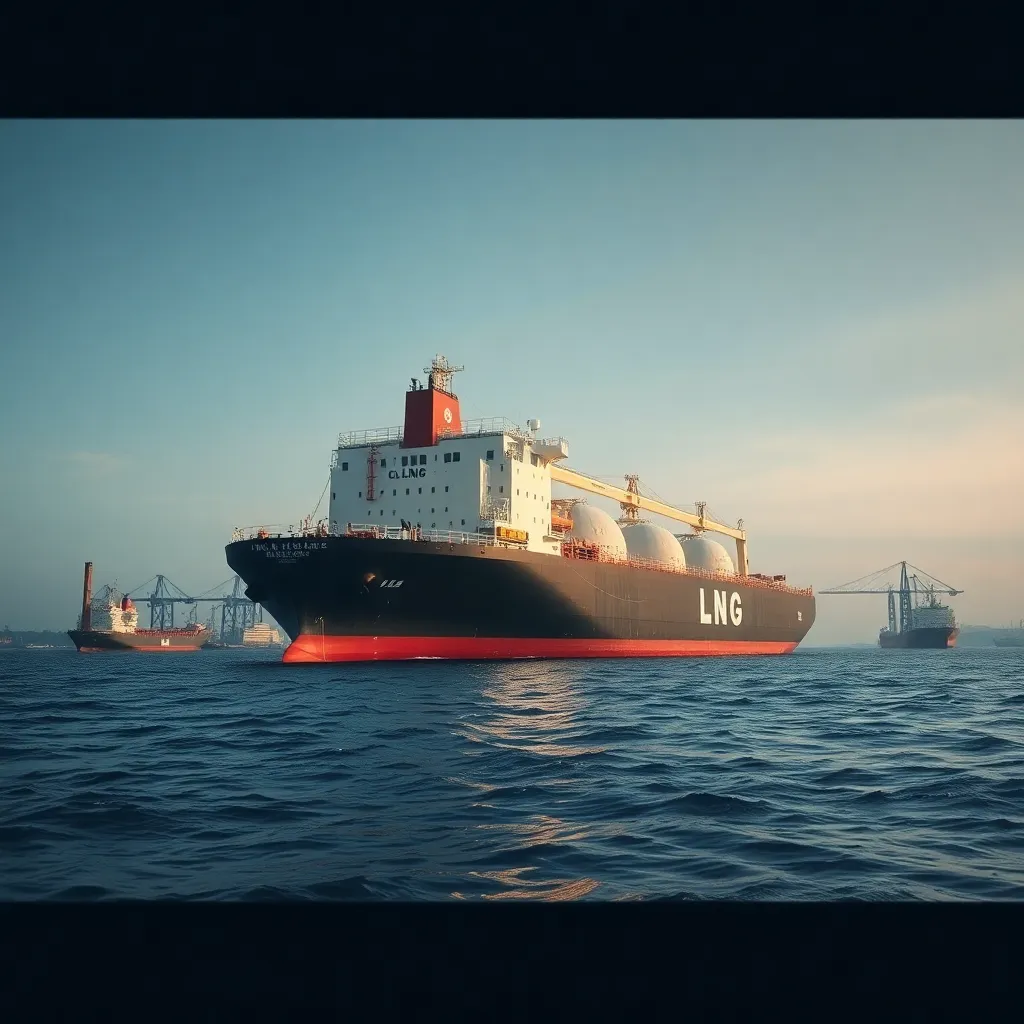
In April 2026, India declined to accept liquefied natural gas (LNG) cargoes from Russia’s Portovaya LNG plant, which are subject to United States sanctions. This decision was conveyed during the visit of Russian Deputy Energy Minister Pavel Sorokin to New Delhi, where he met Indian officials including Petroleum and Natural Gas Minister Hardeep Singh Puri. The stance reflects India's efforts to balance securing energy supplies amid global disruptions while complying with international sanctions. The sanctioned LNG tanker Kunpeng, carrying 138,200 cubic meters of LNG, remains stranded near Singapore due to refusal at India’s Dahej LNG terminal. However, India continues to import sanctioned Russian crude oil under temporary US waivers and remains open to non-sanctioned Russian LNG supplies, though much of that volume is committed to Europe.
On this page
Key Facts
- On April 30, 2026, India rejected Russian LNG shipments subject to US sanctions.
- The LNG tanker Kunpeng, with a capacity of about 138,200 cubic meters, carried LNG from Russia's sanctioned Portovaya LNG plant located in the Baltic Sea region.
- India's Dahej LNG terminal in Gujarat, a significant LNG import terminal, refused to accept the sanctioned cargo.
- Although India refuses sanctioned Russian LNG cargo, it continues to import Russian crude oil aided by temporary US sanction waivers.
- The refusal decision was conveyed to Russian Deputy Energy Minister Pavel Sorokin during his visit to New Delhi; further talks are expected, possibly in June 2026.
Background & Context
Liquefied natural gas (LNG) is natural gas cooled to approximately minus 162 degrees Celsius for transport in specialized tankers. LNG cargoes are more traceable via global shipping systems compared to crude oil, which makes enforcement of sanctions more straightforward for LNG. The US has imposed sanctions on certain Russian energy assets including the Portovaya LNG plant. India faces energy supply pressures due to Middle East tensions but is cautious to comply with US sanctions to avoid penalties. The tanker Kunpeng was stranded near Singapore as the LNG cargo was refused at the Dahej terminal. India remains open to Russian LNG volumes not under sanctions, although many such volumes have been allocated to European buyers.
Why This Matters for Exams / Exam Relevance
This incident highlights India's strategic balancing act in international energy relations amidst geopolitical tensions and sanctions regimes. It is a current affairs example that illustrates how major energy consumers like India navigate global supply disruptions while upholding compliance with international sanctions. Knowledge of key terms (LNG, sanctions), geographic entities (Portovaya plant, Dahej terminal), and key personalities (Hardeep Singh Puri, Pavel Sorokin) along with timelines (April 2026) is useful for competitive exams.
Points to Remember
- The April 30, 2026 decision to reject sanctioned Russian LNG represents India's stance balancing pragmatic energy procurement and compliance with US sanctions.
- The LNG tanker Kunpeng stranded near Singapore underscores the challenges posed by sanction regimes on global energy trade flows.
- Indian imports of Russian crude oil continue under temporary US waivers, showing nuanced application of sanctions policy.
- Dahej LNG terminal in Gujarat is a critical infrastructure for India's LNG imports.
- Russian Deputy Energy Minister Pavel Sorokin's visits to India and ongoing dialogues inform the diplomatic energy relations.
Sources & Further Reading
| Document / Website | Link |
|---|---|
| India rejects sanctioned Russian LNG cargo | Open India rejects sanctioned Russian LNG cargo ↗www.gktoday.in |
| India declines Russian LNG under sanctions, talks continue on permitted cargoes | Open India declines Russian LNG under sanctions, talks continue on permitted cargoes ↗www.reuters.com |