
Supreme Court Mandates Integration of All Emergency Helplines into 112 Nationwide
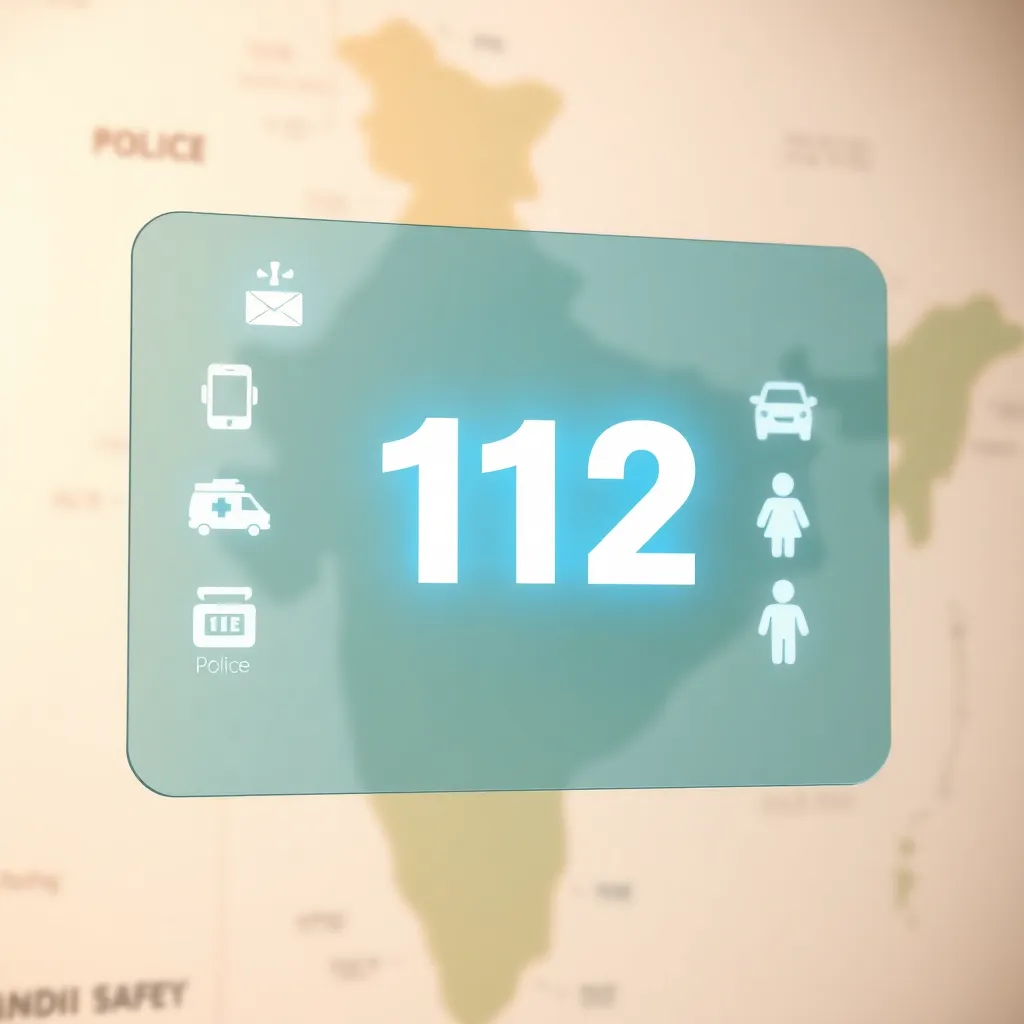
On 28 May 2026, the Supreme Court of India directed all States and Union Territories to integrate their multiple emergency helplines into a single unified emergency number, 112, within three months. This includes helplines such as 100 (police), 101 (fire services), 108 and 102 (ambulance), 1033 (highways), and 1091 (women's safety). The court emphasized that trauma care is an essential component of the Right to Life under Article 21 of the Constitution. It mandated upgrading all ambulances to the AIS-125 national safety standards including GPS and real-time vehicle tracking linked directly to the 112 network, aiming to improve emergency response time and efficiency. Authorities were also ordered to conduct monthly review meetings and upload progress reports to ensure accountability.
On this page
Key Facts
- On 28 May 2026, the Supreme Court directed all Indian states and UTs to integrate existing emergency numbers into a single number, 112.
- Helpline numbers to be integrated include 100 (police), 101 (fire), 108 and 102 (ambulance), 1033 (highways), and 1091 (women's safety).
- The deadline for compliance is within three months from the directive date.
- All ambulances must comply with the national safety standard AIS-125 and be equipped with GPS and real-time tracking systems connected to the 112 network.
- The court recognized trauma care as an integral part of the Right to Life under Article 21.
- Monthly reports and review meetings are mandated to track progress and ensure accountability.
Background & Context
India previously operated multiple emergency helplines for police, fire, ambulance, women’s safety, and highways, which led to confusion and delayed response during emergencies. The Emergency Response Support System (ERSS) 2.0, with the number 112, was developed as a single emergency number integrating multiple services through a technology-driven platform. The Supreme Court’s directive reinforces this integration legally and operationally, emphasizing timely trauma care as a constitutional mandate.
Why This Matters for Exams / Exam Relevance
This directive highlights the intersection of public safety, constitutional law (Article 21 - Right to Life), and governance reforms. Understanding the unified emergency helpline system under 112, the Supreme Court’s role in enhancing trauma care, and ambulance safety reforms are crucial for public administration, law, and current affairs segments in competitive exams.
Points to Remember
- The Supreme Court’s order was issued on 28 May 2026, with a three-month implementation deadline.
- Helplines 100, 101, 102, 1033, 108, and 1091 must merge into 112.
- Ambulances must have GPS-enabled real-time tracking connected to the 112 network.
- Improved trauma care is constitutionally recognized as part of the right to life.
- Monthly compliance and progress reporting to ensure transparency and accountability.
Sources & Further Reading
| Document / Website | Link |
|---|---|
| One number for ever emergency! Supreme Court orders nationwide shift to '112' helpline | India - India TV News | Open One number for ever emergency! Supreme Court orders nationwide shift to '112' helpline | India - India TV News ↗www.indiatvnews.com |
| Emergency Response Support System in India - 112.gov.in | Open Emergency Response Support System in India - 112.gov.in ↗112.gov.in |