
US Imposes Travel Restrictions to Prevent Ebola Virus Disease Entry Amid 2026 East African Outbreak
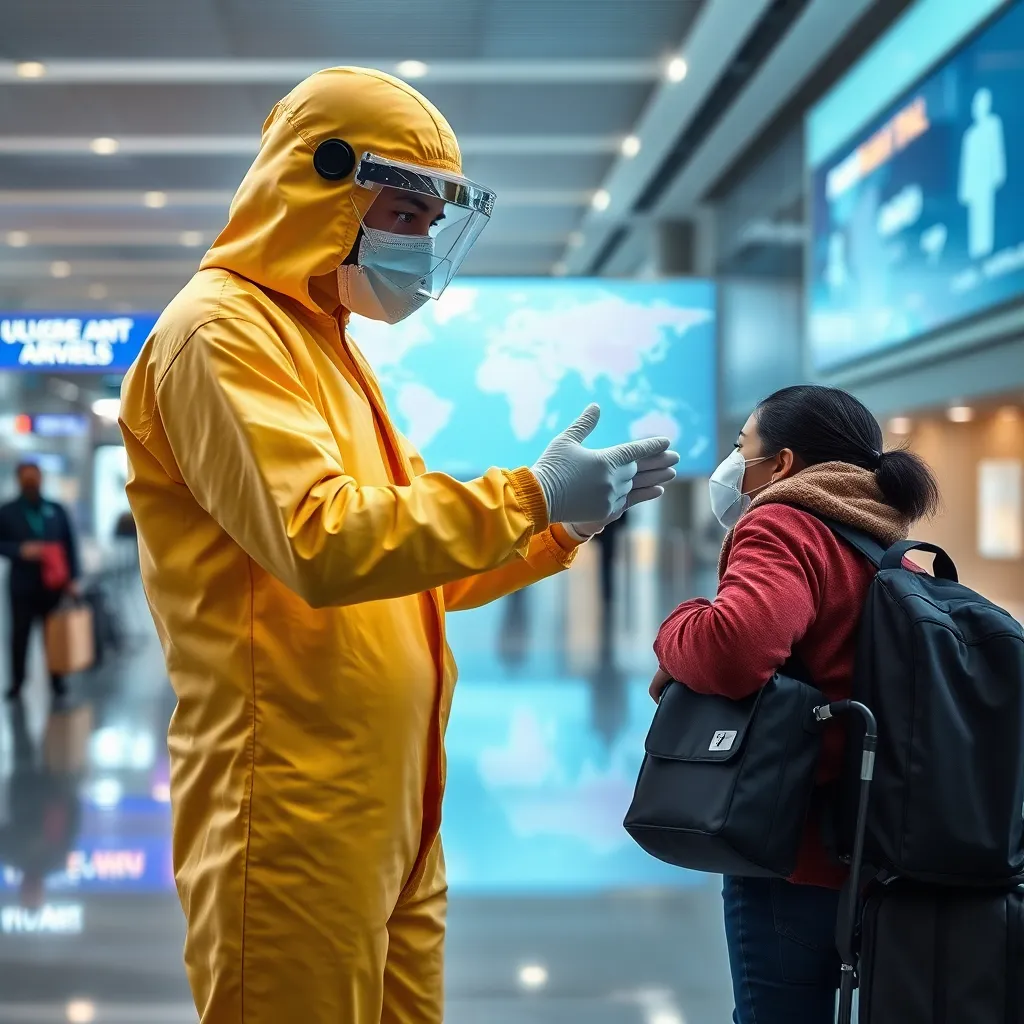
On May 18, 2026, the US Centers for Disease Control and Prevention (CDC) and Department of Homeland Security (DHS) imposed enhanced travel screening and entry restrictions targeting travelers from Ebola-affected regions in Uganda, the Democratic Republic of the Congo (DRC), and South Sudan. This response follows an outbreak of Ebola Bundibugyo virus disease primarily in northeastern DRC's Ituri Province and cross-border spread to Uganda. The Title 42 order suspends entry for 30 days for non-US nationals who visited these countries within 21 days, aiming to prevent virus introduction while exempting US citizens and lawful residents. The CDC continues monitoring cases and coordinating with global health partners for containment. As of May 18, there are 11 confirmed cases and 88 deaths in DRC and 2 cases in Uganda.
On this page
Key Facts
- Date of restrictions: May 18, 2026
- Affected countries: Democratic Republic of the Congo (DRC), Uganda, South Sudan
- Reported cases in DRC: 11 confirmed, 336 suspected, with 88 deaths
- Reported cases in Uganda: 2 confirmed including 1 death; cases linked to travel from DRC
- Virus strain: Bundibugyo virus, a species of Ebolavirus
- US legal basis for restrictions: Title 42 order suspending entry of certain persons during public health emergency
- Duration of travel suspension: 30 days for non-US passport holders who have been in outbreak areas in past 21 days
- Exemptions: US citizens, nationals, lawful permanent residents returning from outbreak areas
- An American healthcare worker exposed in DRC tested positive for Ebola Bundibugyo disease and was transferred to Germany for treatment
Background & Context
Ebola virus disease is a severe viral hemorrhagic fever caused by viruses in the genus Ebolavirus that spreads via direct contact with infected bodily fluids or animals. The Bundibugyo virus is one of four known species causing Ebola in humans and has death rates historically around 25–50%. The 2026 outbreak was first detected in Bunia Health Zone, Ituri Province, northeastern DRC, including clusters among healthcare workers and the community. It has spread to Uganda, linked to cross-border travel. On May 16, 2026, WHO declared this outbreak a Public Health Emergency of International Concern (PHEIC), recognizing its international risk and need for coordinated response. The outbreak is the 17th Ebola event in DRC since 1976.
Why This Matters for Exams / Exam Relevance
- Demonstrates US public health response and use of legal authorities like Title 42 during international disease threats.
- Illustrates international coordination in public health emergencies, including the role of WHO's PHEIC declarations.
- Highlights epidemiological and clinical features of the Bundibugyo strain of Ebola virus.
- Shows the significance of travel restrictions and enhanced screening as containment measures.
- Relevant for understanding infectious disease outbreak investigation and control measures.
Points to Remember
- Title 42 order implemented on May 18, 2026 suspends entry for 30 days for travelers from Uganda, DRC, South Sudan linked to the Ebola outbreak.
- The restrictions exclude US citizens, nationals, and lawful permanent residents returning from affected areas.
- CDC coordinates enhanced screening, traveler monitoring, and international cooperation to prevent entry of Ebola virus disease into the US.
- Bundibugyo virus causes Ebola disease characterized by fever, vomiting, hemorrhage, with substantial mortality.
- An American who contracted Ebola Bundibugyo virus in DRC was transferred to Germany for specialist treatment due to experience with Ebola patients there.
- The WHO declared this Ebola outbreak a Public Health Emergency of International Concern on May 16, 2026.
- Case counts and situation continue evolving; travel and public health advisories may update accordingly.
Sources & Further Reading
| Document / Website | Link |
|---|---|
| CDC Statement on Public Health Travel Restrictions to Prevent Ebola | Open CDC Statement on Public Health Travel Restrictions to Prevent Ebola ↗www.cdc.gov |
| WHO Declares Ebola Outbreak a Public Health Emergency of International Concern | Open WHO Declares Ebola Outbreak a Public Health Emergency of International Concern ↗www.who.int |
| Ebola Disease: Current Situation | CDC | Open Ebola Disease: Current Situation | CDC ↗www.cdc.gov |
| Democratic Republic of the Congo Confirms New Ebola Outbreak, WHO Scales Up Support | Open Democratic Republic of the Congo Confirms New Ebola Outbreak, WHO Scales Up Support ↗www.afro.who.int |