
WHO Declares Ebola Outbreak in Democratic Republic of Congo and Uganda a Public Health Emergency of International Concern
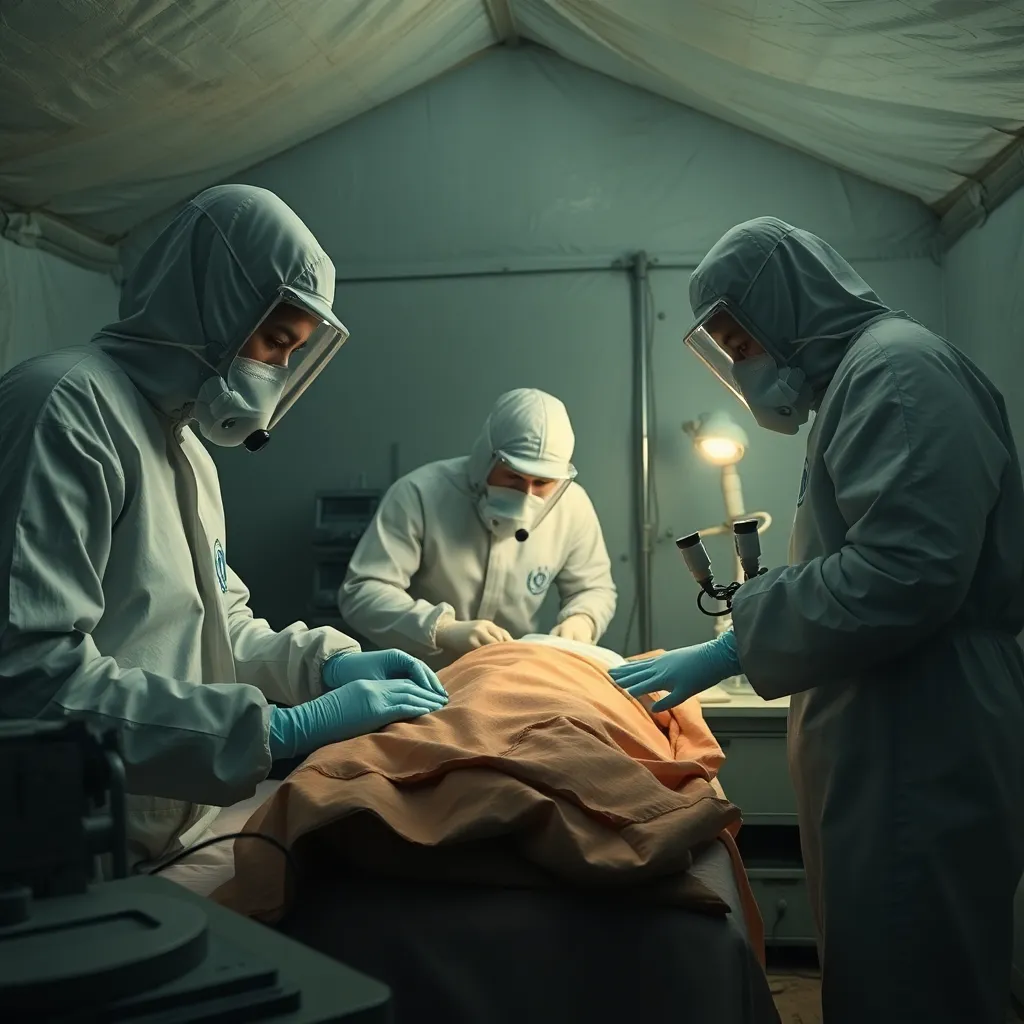
On 17 May 2026, the World Health Organization (WHO) declared the ongoing Ebola outbreak in the Democratic Republic of Congo (DRC) and Uganda a Public Health Emergency of International Concern (PHEIC). The outbreak is centered in the eastern Ituri province of DRC with confirmed cases also in Kampala, Uganda. It is caused by the Bundibugyo virus, one of the Ebola virus species first identified in Uganda in 2007. As of 16 May 2026, over 246 suspected cases and more than 80 suspected deaths were reported in Ituri province, and Uganda reported two cases, including one death. WHO has allocated emergency funds and deployed experts to assist response efforts.
On this page
Key Facts
- Declaration date: 17 May 2026
- Countries affected: Democratic Republic of Congo (Ituri province) and Uganda (Kampala)
- Virus strain: Bundibugyo virus, a species of Ebolavirus first identified in Uganda in 2007
- DRC outbreak history: 17 previous Ebola outbreaks since 1976
- Cases reported (as of 16 May 2026): Over 246 suspected cases and over 80 suspected deaths in DRC; 2 confirmed cases and 1 death in Uganda
- Affected regions in DRC: Ituri province including Bunia, Rwampara, and Mongbwalu health zones
- WHO emergency fund allocation: US$500,000
Background & Context
Ebola virus disease (EVD) is a severe viral hemorrhagic fever caused by viruses of the genus Ebolavirus. The Bundibugyo virus strain causing this outbreak was first identified in Uganda in 2007. The DRC has experienced multiple Ebola outbreaks since 1976, evidencing endemic vulnerability. The WHO's declaration of a Public Health Emergency of International Concern follows the International Health Regulations (IHR) adopted in 2005, which provide a legal framework for coordinated international responses to events posing global public health risks through cross-border disease spread.
The declaration aims to mobilize resources and coordinated efforts among nations, addressing challenges like cross-border movement, regional insecurity, and mining activities that complicate outbreak control in eastern DRC.
Why This Matters for Exams / Exam Relevance
This event tests understanding of international health governance mechanisms, virus taxonomy, and epidemiology. Recognizing the role of the WHO and the International Health Regulations in declaring PHEICs is essential. The outbreak's details—virus strain, affected regions and countries, date of declaration, and response measures—are potential topics in current affairs and public health questions. Furthermore, it provides context on managing infectious disease outbreaks in conflict-affected and resource-limited settings, relevant for public health, medical, and UPSC exam syllabi.
Points to Remember
- WHO declared the Ebola outbreak in DRC and Uganda a PHEIC on 17 May 2026.
- The outbreak involves the Bundibugyo virus strain, identified in Uganda in 2007.
- Ituri province in DRC and Kampala in Uganda are affected areas.
- DRC has a history of 17 Ebola outbreaks since 1976.
- PHEIC declarations are made under the International Health Regulations (2005) to address public health risks crossing borders.
- WHO allocated US$500,000 from its contingency fund to support outbreak response.
- Cross-border movement and regional security challenges complicate outbreak control.
Sources & Further Reading
| Document / Website | Link |
|---|---|
| WHO declares Ebola outbreak in Congo and Uganda a public health emergency of international concern | Open WHO declares Ebola outbreak in Congo and Uganda a public health emergency of international concern ↗www.gktoday.in |
| Reuters: WHO declares Ebola outbreak in Congo, Uganda an emergency of international concern | Open Reuters: WHO declares Ebola outbreak in Congo, Uganda an emergency of international concern ↗www.reuters.com |
| CDC: International Health Regulations (IHR) | Open CDC: International Health Regulations (IHR) ↗www.cdc.gov |