
World Bee Day 2026 and the Global Decline of Bee Populations
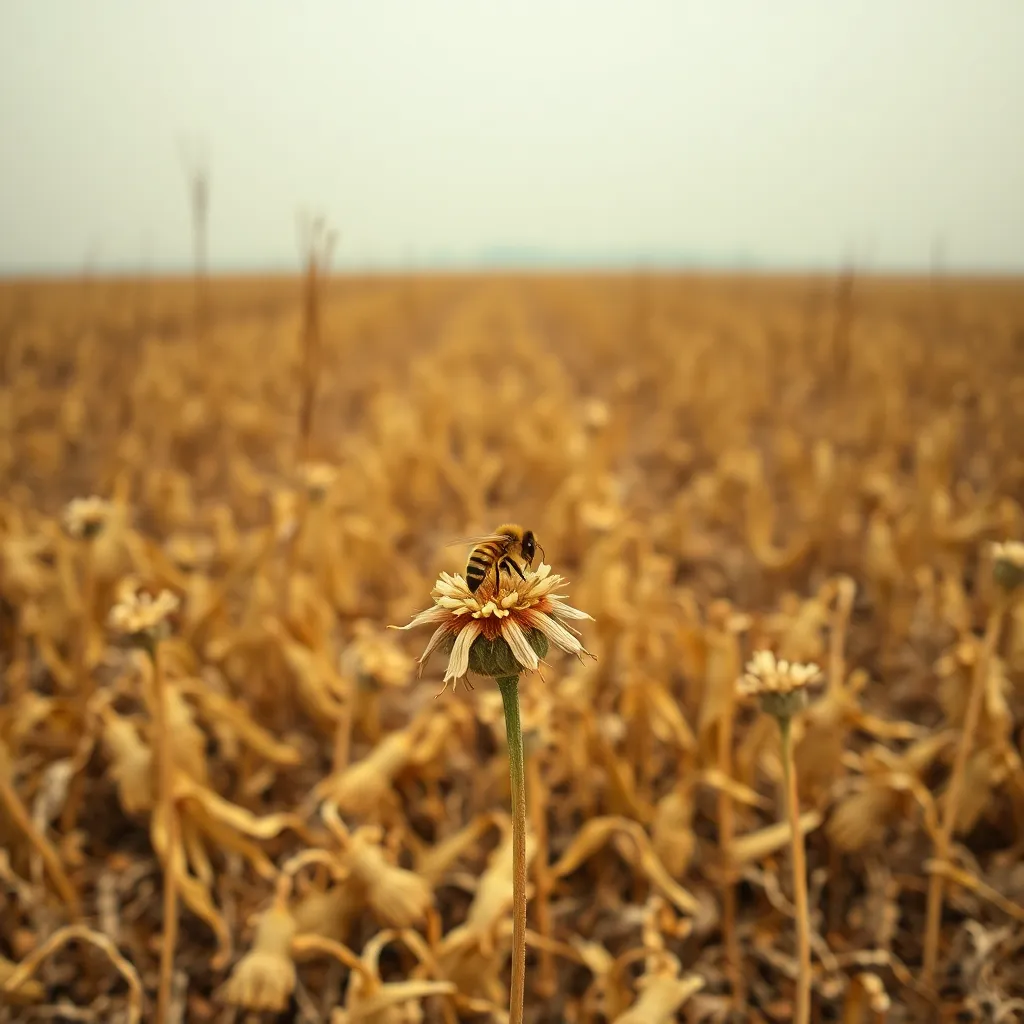
World Bee Day, observed annually on May 20, highlights the essential role of bees and other pollinators in agriculture, biodiversity, and ecosystem health. In 2026, alarming reports detailed significant bee population declines worldwide, with threats including habitat loss, pesticide exposure, climate stress, and diseases. Bees pollinate about 75% of global food crops and nearly 90% of wild flowering plants, making their conservation critical for food security and ecological balance. Sustainable farming practices and pollinator-friendly policies are imperative to address these challenges.
On this page
Key Facts
- World Bee Day is observed on 20 May each year, established by the United Nations General Assembly in 2018, to raise awareness of the crucial role of bees and other pollinators.
- Bees are primary pollinators for nearly 90% of wild flowering plants and about 75% of the world's food crops depend on them for yield and quality.
- Major threats to bee populations include habitat loss, pesticide exposure (especially systemic insecticides such as neonicotinoids like thiamethoxam), climate change, diseases, microplastics, light pollution, and agricultural pesticide mixtures.
- In the United States, commercial beekeepers reported a record average loss of 62% of their colonies from June 2024 to March 2025, the highest on record.
- The Food and Agriculture Organization (FAO) and other global institutions actively promote sustainable beekeeping and pollinator conservation practices worldwide.
Background & Context
The UN General Assembly designated 20 May as World Bee Day in 2018, to commemorate the birthday of Anton Janša, a Slovenian pioneer of modern beekeeping. Slovenia has a long tradition of beekeeping, which is an important agricultural activity there. The day serves to raise awareness about the contributions and threats faced by bees, pollinators, and their habitats globally.
Pollinator declines have been documented across multiple regions. Pressures include habitat loss driven by urbanization and land-use changes, pesticide toxicity (notably neonicotinoids), climate-related stresses altering flowering and pollination patterns, diseases affecting bee health, and additional stresses such as war zones and microplastic contamination within hives.
Why This Matters for Exams / Exam Relevance
World Bee Day is relevant for competitive exams covering environment, biodiversity, agriculture, and international observances. Candidates should know the date (20 May), its significance, and the connection to UN initiatives and global food security. Knowledge of main pollinators, threats facing bees, and sustainable agricultural methods promoting pollinator health is increasingly important. Questions may include impacts of pesticides, especially neonicotinoids, notable recent data such as the U.S. honeybee colony losses, and the role of organizations like FAO.
Points to Remember
- World Bee Day: 20 May (since 2018)
- Anton Janša: Slovenian pioneer of modern beekeeping
- Pollination dependence: ~90% of wild flowering plants, ~75% of global food crops
- Major threats: habitat loss, pesticide exposure (neonicotinoids like thiamethoxam), climate change, diseases
- 2024-2025 US honeybee colony loss: record 62%
- Pollinators include bees, butterflies, birds, bats, and other insects
- Sustainable agriculture involves crop rotation, pesticide reduction, and habitat restoration
- FAO organizes global events and awareness campaigns on World Bee Day
Sources & Further Reading
| Document / Website | Link |
|---|---|
| World Bee Day 2026 and Bee Decline Risks - GKToday | Open World Bee Day 2026 and Bee Decline Risks - GKToday ↗www.gktoday.in |
| World Bee Day 2026 | FAO | Open World Bee Day 2026 | FAO ↗www.fao.org |
| Neonicotinoid pesticide exposure impairs crop pollination services provided by bumblebees - PMC | Open Neonicotinoid pesticide exposure impairs crop pollination services provided by bumblebees - PMC ↗pmc.ncbi.nlm.nih.gov |