
Ambedkar's Inspirational Legacy Among the Roma Community in Hungary
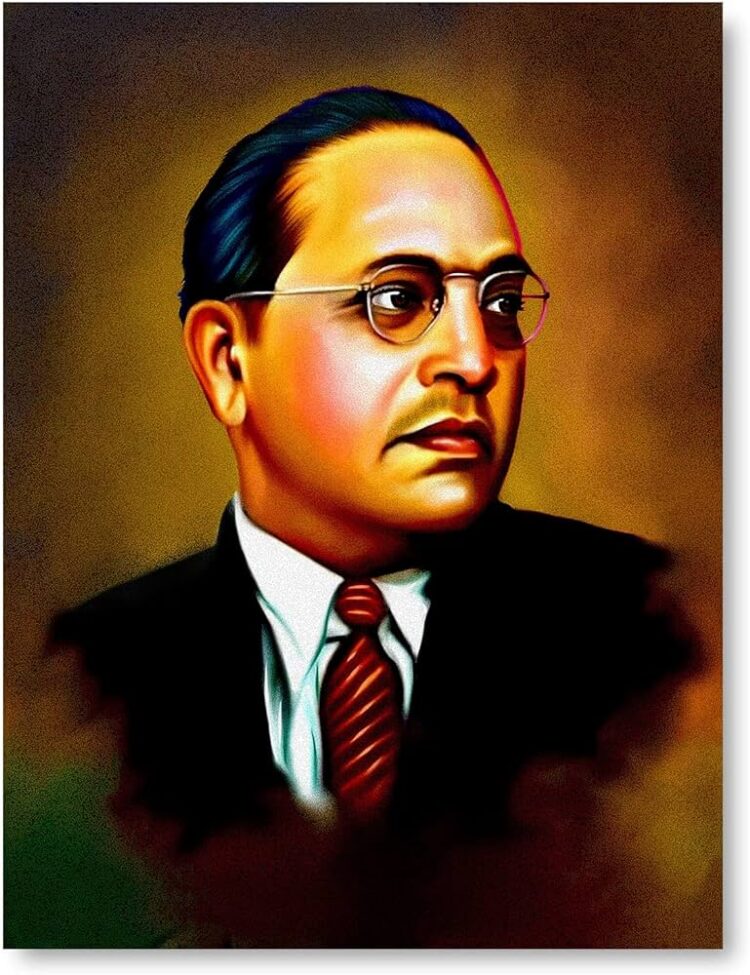
B. R. Ambedkar, the chief architect of the Indian Constitution and a key social reformer, has become a significant symbol of empowerment and social transformation for the Roma community in Hungary. Despite Ambedkar never visiting Hungary, his life story—from enduring discrimination to championing equality and drafting the Indian Constitution—resonates strongly with the Roma, who have faced longstanding marginalisation and segregation in Europe. The Dr Ambedkar School in Miskolc, co-founded nearly two decades ago by Hungarian sociologist Tibor Derdak and Roma activist János Orsós, serves as a beacon of hope by integrating Ambedkar’s ideas with Roma history, fostering education, empowerment, and social change.
On this page
Key Facts
B. R. Ambedkar was the principal architect of the Indian Constitution and a prominent social reformer advocating equality and dignity.
The Roma people are believed to have originated from the Indian subcontinent approximately 1,000 years ago.
The Roma flag features a red Dharma Chakra (wheel), symbolising their historical and cultural links to India.
The First World Roma Congress was held in 1971 near London, which formalised Roma identity, flag, and anthem.
Background & Context
The Roma community in Hungary has historically faced systemic discrimination and social exclusion, notably in education where many Roma children were placed in under-resourced or special schools—a situation analogous to caste-based segregation in India. The life and philosophy of B. R. Ambedkar, who fought caste discrimination in India and championed the rights of marginalized groups, have found strong resonance among the Roma. Although Ambedkar never visited Hungary, his writings and speeches have been translated into Hungarian to make his ideas accessible.
In Miskolc, the Dr Ambedkar School, co-founded by Hungarian sociologist Tibor Derdak and Roma activist János Orsós almost 20 years ago, embodies this connection. The school educates Roma youth by combining studies of Roma history and culture with Ambedkar’s ideas about equality and social justice, promoting empowerment through education.
Why This Matters for Exams / Exam Relevance
The case of Ambedkar’s influence in Hungary illuminates the global and cross-cultural impact of social reformers in addressing systemic discrimination. It illustrates how education serves as a powerful tool for minority empowerment and social transformation. It is particularly relevant for topics related to social justice, marginalized communities, and comparative perspectives on discrimination and empowerment across different societies.
Points to Remember
B. R. Ambedkar’s struggle against caste-based discrimination parallels the historical marginalisation and segregation experienced by the Roma community in Europe.
The Roma flag’s red Dharma Chakra symbolises their cultural and historical links to India.
The Dr Ambedkar School in Miskolc plays a significant role in Roma empowerment by fostering education, reducing social inequalities, and encouraging community leadership.
The First World Roma Congress (1971) was a landmark event that formalised Roma symbols and identity.
Educational initiatives inspired by Ambedkar’s teachings have contributed to social progress among Roma youth, including higher education attainment and improved gender awareness.
Sources & Further Reading
| Document / Website | Link |
|---|---|
| Ambedkar's Legacy Inspires Roma Community in Hungary | Open Ambedkar's Legacy Inspires Roma Community in Hungary ↗www.gktoday.in |