
Discovery of Two New Marine Nematode Species off Tamil Nadu Coast by ZSI
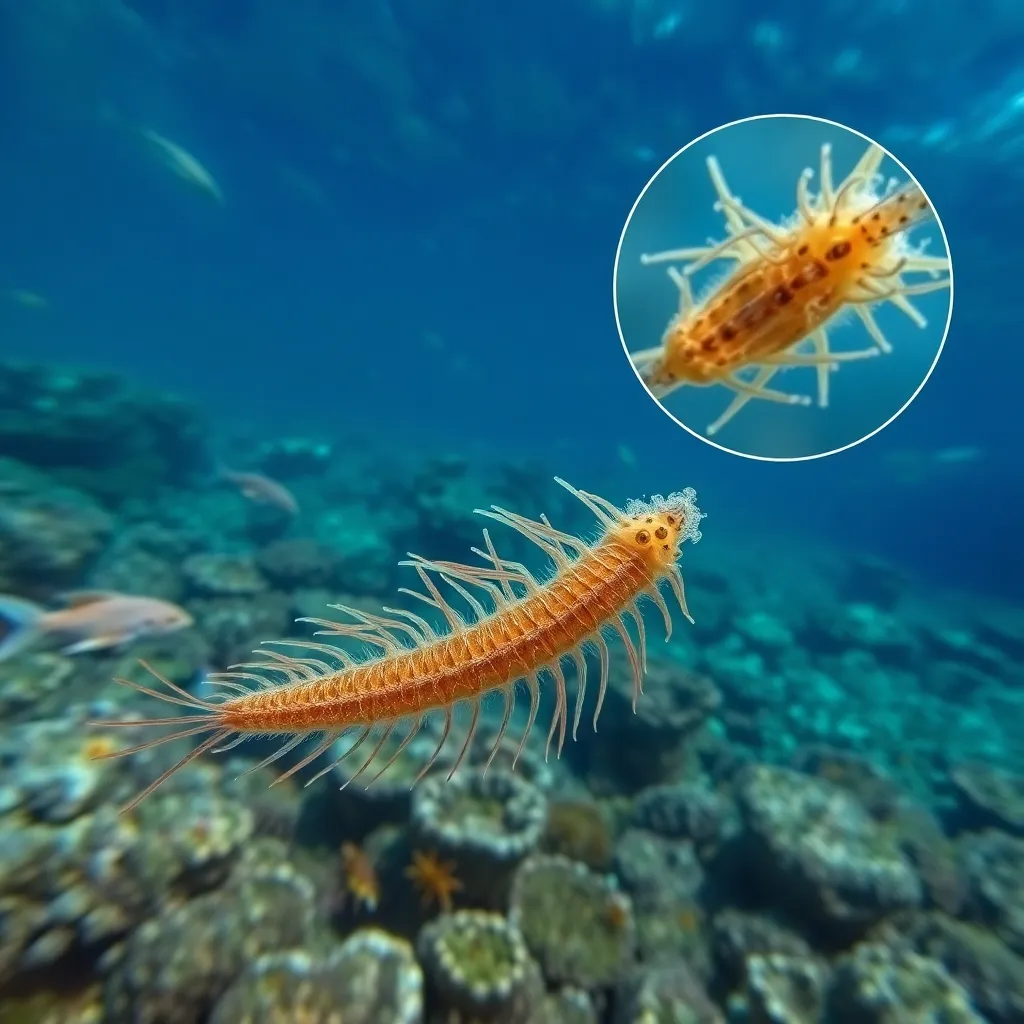
Researchers from the Zoological Survey of India (ZSI) have identified two new species of free-living marine nematodes, Corononema dhriti and Epacanthion indica, from the Tamil Nadu coast. Corononema dhriti is the fourth species known globally in its genus, named in honor of Dr Dhriti Banerjee, Director of ZSI. Epacanthion indica, named after India, is notable for its complex anatomy and predatory adaptations, including specialized mandibles. These discoveries enrich India's marine biodiversity knowledge and highlight the ecological diversity of nematodes that play critical roles in marine nutrient cycling and ecosystem health.
On this page
Key Facts
Two new marine nematode species discovered: Corononema dhriti and Epacanthion indica.
Discovered by Zoological Survey of India researchers Ritika Datta and Anjum Rizvi off the Tamil Nadu coast.
Corononema dhriti is the fourth known species worldwide in its genus; previously reported from Australia, Thailand, and Vietnam.
Epacanthion indica is distinguished by its predatory nature, with specialized mandibles and tooth-like structures.
Corononema dhriti was named in honor of Dr Dhriti Banerjee, Director of ZSI.
Nematodes belong to the phylum Nematoda; they can be parasitic or free-living and occupy diverse habitats across all continents, including extreme environments such as deserts and Antarctica.
Background & Context
Nematodes are bilaterally symmetrical, elongate worms with tapered ends, some possessing a pseudocoel, a fluid-filled body cavity between the digestive tract and body wall. They are among the most widely distributed organisms globally. Marine nematodes contribute significantly to the health of ocean ecosystems by decomposing organic matter and facilitating nutrient recycling, supporting sediment stability, and enhancing productivity in coastal environments. Additionally, they serve as valuable bio-indicators for monitoring environmental changes and impacts of climate change on marine systems.
The discovery of these two new species underscores the rich but understudied marine biodiversity of India, emphasizing the importance of continued taxonomic research and conservation efforts in benthic environments along the Indian coastline.
Why This Matters for Exams / Exam Relevance
Candidates for competitive examinations should be aware of biodiversity findings from reputable Indian institutions such as the Zoological Survey of India. These discoveries highlight India's contributions to marine science, taxonomy, and biodiversity conservation. Understanding the ecological roles and characteristics of marine nematodes, including their significance in nutrient cycling and ecosystem functioning, is relevant to general studies and environment-related questions. Remembering species names, their discoverers, and unique features can aid in answering questions related to biodiversity, ecology, and Indian scientific research advances.
Points to Remember
The two new marine nematode species: Corononema dhriti and Epacanthion indica, discovered in 2024.
Researchers involved: Ritika Datta and Anjum Rizvi from ZSI.
Corononema dhriti is named after Dr Dhriti Banerjee, ZSI Director, and is the fourth species in its genus globally.
Epacanthion indica is a predatory nematode with specialized mandibles and tooth-like structures.
Nematodes are members of the phylum Nematoda, found worldwide in diverse ecosystems, including marine habitats, soil, freshwater, deserts, and polar regions.
Marine nematodes play crucial roles in decomposing organic matter, nutrient cycling, sediment stability, and serve as bio-indicators of environmental health.
Sources & Further Reading
| Document / Website | Link |
|---|---|
| New Marine Nematode Species Discovered off Tamil Nadu Coast | Open New Marine Nematode Species Discovered off Tamil Nadu Coast ↗www.gktoday.in |
| ZSI Researchers Discover 2 New Species of Marine Nematodes along Tamil Nadu Coast | Open ZSI Researchers Discover 2 New Species of Marine Nematodes along Tamil Nadu Coast ↗www.pib.gov.in |
| ZSI discovers 2 new marine nematode species off TN coast | Open ZSI discovers 2 new marine nematode species off TN coast ↗timesofindia.indiatimes.com |
| Role of Nematodes in Marine Ecosystem Health | Open Role of Nematodes in Marine Ecosystem Health ↗www.sciencedirect.com |