
India's Cockroach Diversity and DNA Barcoding Initiative by ZSI
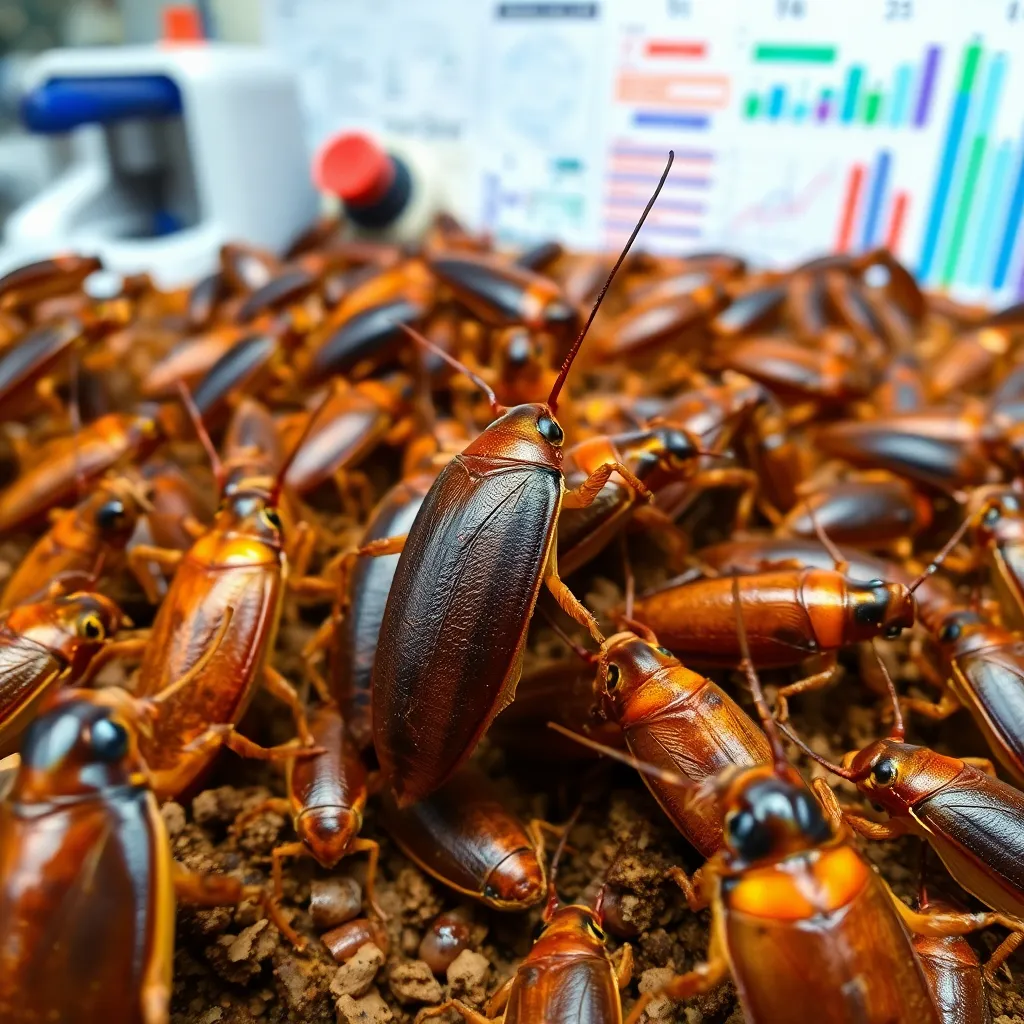
India is home to 191 documented species of cockroaches, with over 60% of these species endemic to the country. The Zoological Survey of India (ZSI), in collaboration with Prof. Ramkrishna More College, has developed the first and largest DNA barcode reference library for cockroaches in India, representing a significant advancement in insect taxonomy and biodiversity research.
On this page
Key Facts
- India hosts 191 cockroach species as of 2026; over 60% are endemic.
- The first and largest DNA barcode library for cockroaches in India was created by the ZSI and collaborators in 2026.
- A new cockroach species, Neoloboptera peninsularis, was identified from the Deccan Peninsula near Nathachiwadi, Pune, in March 2026.
- DNA barcoding primarily targets the mitochondrial cytochrome c oxidase I (COI) gene to distinguish species.
- Cockroaches play vital ecological roles as decomposers, nutrient recyclers, and bioindicators in various ecosystems.
- Some Indian endemic cockroach lineages potentially have Gondwanan biogeographic origins.
- Zoological Survey of India is a premier government body responsible for zoological research and biodiversity documentation in India.
Background & Context
Cockroaches belong to the order Blattodea, which also includes termites under modern classification systems. Globally, there are approximately 5793 cockroach species, while India records 179-191 species depending on updates, with 83-115 species acknowledged as endemic in various recent publications. The ZSI's study, published in the taxonomy journal Zootaxa, highlights DNA barcoding's role in resolving taxonomic challenges by providing genetic sequences that distinguish closely related species, which often appear morphologically similar. This molecular approach enhances traditional morphological taxonomy, enabling accurate species identification and facilitating biodiversity assessment and conservation efforts in India.
DNA barcoding involves sequencing a standardized short fragment of mitochondrial DNA (commonly the COI gene) to generate a unique genetic identifier (“barcode”) for species. This method assists in identifying cryptic and closely related species, accelerating species discovery and documentation. The ZSI's collaborative effort includes scientists from its Western and Southern Regional Centres and academic partners, contributing over 100 high-quality DNA barcodes to this reference library for Indian cockroaches.
Ecologically, cockroaches are essential decomposers, feeding on forest litter and organic waste, thereby recycling nutrients. They also serve as prey for various animals and act as bioindicators of environmental health. The discovery of a new species underscores the continuing expansion of knowledge about India's insect biodiversity and the importance of integrating modern molecular tools with classical taxonomy.
Why This Matters for Exams / Exam Relevance
Understanding biodiversity, species endemicity, and cutting-edge biological research tools like DNA barcoding are important for various competitive exams in India, especially those focusing on environment, ecology, and science & technology. The ZSI's initiative exemplifies the government's role in scientific research and biodiversity conservation. Awareness of India's cockroach diversity, molecular taxonomy techniques, and ecological significance links topics commonly tested in biology, environmental science, and general knowledge sections of exams.
Points to Remember
- India's cockroach diversity: 191 species recorded (2026), with >60% endemicity, highlighting rich biodiversity.
- DNA barcode reference library for cockroaches is the first and largest in India, improving species identification accuracy.
- Neoloboptera peninsularis, a newly identified species from Maharashtra in 2026, exemplifies ongoing discoveries.
- DNA barcoding centers on mitochondrial COI gene sequences to differentiate species genetically.
- Zoological Survey of India is the primary government institution leading wildlife research, taxonomy, and biodiversity studies.
- Cockroaches contribute meaningfully to ecosystems beyond being pests: nutrient cycling, bioindication, and forest litter decomposition.
- Some endemic cockroach lineages reflect ancient Gondwanan origins, linking biogeography with evolutionary history.
Sources & Further Reading
| Document / Website | Link |
|---|---|
| India records 191 cockroach species — GKToday | Open India records 191 cockroach species — GKToday ↗www.gktoday.in |
| Zoological Survey of India Official Website | Open Zoological Survey of India Official Website ↗zsi.gov.in |
| DNA barcoding of insects from India: Current status and future perspectives - PMC | Open DNA barcoding of insects from India: Current status and future perspectives - PMC ↗www.ncbi.nlm.nih.gov |