
Two New Jumping Spider Species Discovered in India: Mogrus shushka and Mogrus pune
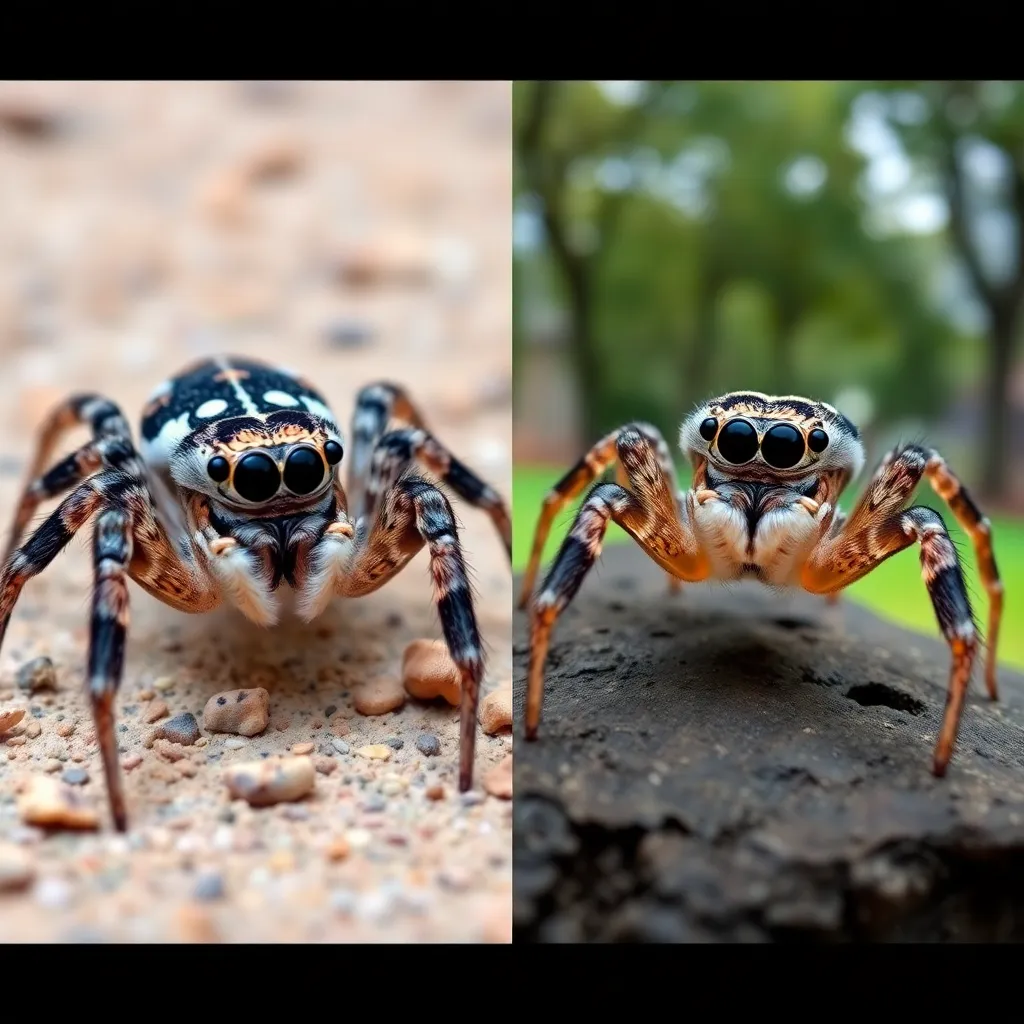
Indian researchers have discovered two new species of jumping spiders, Mogrus shushka and Mogrus pune, in Rajasthan, Gujarat, and Maharashtra. Mogrus shushka inhabits dry, arid desert regions in Rajasthan and Gujarat, adapted to extreme heat and low moisture, while Mogrus pune was found in urban biodiversity parks in Maharashtra, emphasizing the importance of urban green spaces. The species differ in their male reproductive organs, which are crucial for scientific identification. This discovery highlights India's rich biodiversity across diverse habitats and underlines the need for conservation and further taxonomic research.
On this page
Key Facts
- Two new jumping spider species described: Mogrus shushka and Mogrus pune.
- Discovery locations: Rajasthan and Gujarat (arid desert regions) for Mogrus shushka, and urban biodiversity parks in Maharashtra for Mogrus pune.
- Species differentiation relies on male reproductive organ morphology: triangular-shaped in one species and curved or heart-shaped in the other.
- The research was published in the European Journal of Taxonomy in 2026.
- These spiders belong to the Salticidae family, known for excellent vision and active hunting behaviors.
Background & Context
Jumping spiders (family Salticidae) are a highly diverse group characterized by their excellent vision and active predatory behavior. India hosts a rich but underexplored diversity of such arachnids. The newly identified species underscore the biological richness present not only in extreme natural habitats like deserts but also in urban ecosystems, specifically biodiversity parks which play a critical role in conserving lesser-known species. Due to morphological similarities, microscopic examination of reproductive structures is essential for the accurate taxonomy of jumping spiders.
Why This Matters for Exams / Exam Relevance
This discovery is pertinent for competitive exams in areas like biodiversity, environment, and taxonomy. Understanding newly found species helps illustrate the continuing expansion of knowledge about India's biodiversity, including habitats ranging from arid deserts to urban green spaces. It emphasizes the significance of taxonomic research, conservation of microhabitats, and the ecological value of urban biodiversity parks—topics frequently featured in environmental science and geography syllabi.
Points to Remember
- Species Names: Mogrus shushka (named after a Sanskrit word meaning "dry") and Mogrus pune (named after Pune city).
- Habitats: Arid desert areas (Rajasthan, Gujarat) and urban biodiversity parks (Maharashtra).
- Family: Salticidae (jumping spiders).
- Published: 2026 in European Journal of Taxonomy.
- Identification: Based on male reproductive organ differences (triangular vs. curved/heart-shaped).
- Conservation: Highlights importance of protecting both natural and urban ecological niches to preserve biodiversity.
Sources & Further Reading
| Document / Website | Link |
|---|---|
| Two new jumping spider species found in India | Open Two new jumping spider species found in India ↗www.gktoday.in |
| Two new species of jumping spiders from Northeastern India | Open Two new species of jumping spiders from Northeastern India ↗www.mapress.com |
| Role of urban biodiversity parks in species conservation | Open Role of urban biodiversity parks in species conservation ↗pmc.ncbi.nlm.nih.gov |