
Ladakh Magmatic Arc Reveals Tectonic Evolution
Scientists have decoded the evolution of the Ladakh Magmatic Arc in the north-western Himalaya, revealing nearly 130 million years of geological history. The arc documents the interplay between the Indian and Eurasian plates including subduction, magmatic activity, and continental collision, providing vital insights into the formation of the Himalayas.
On this page
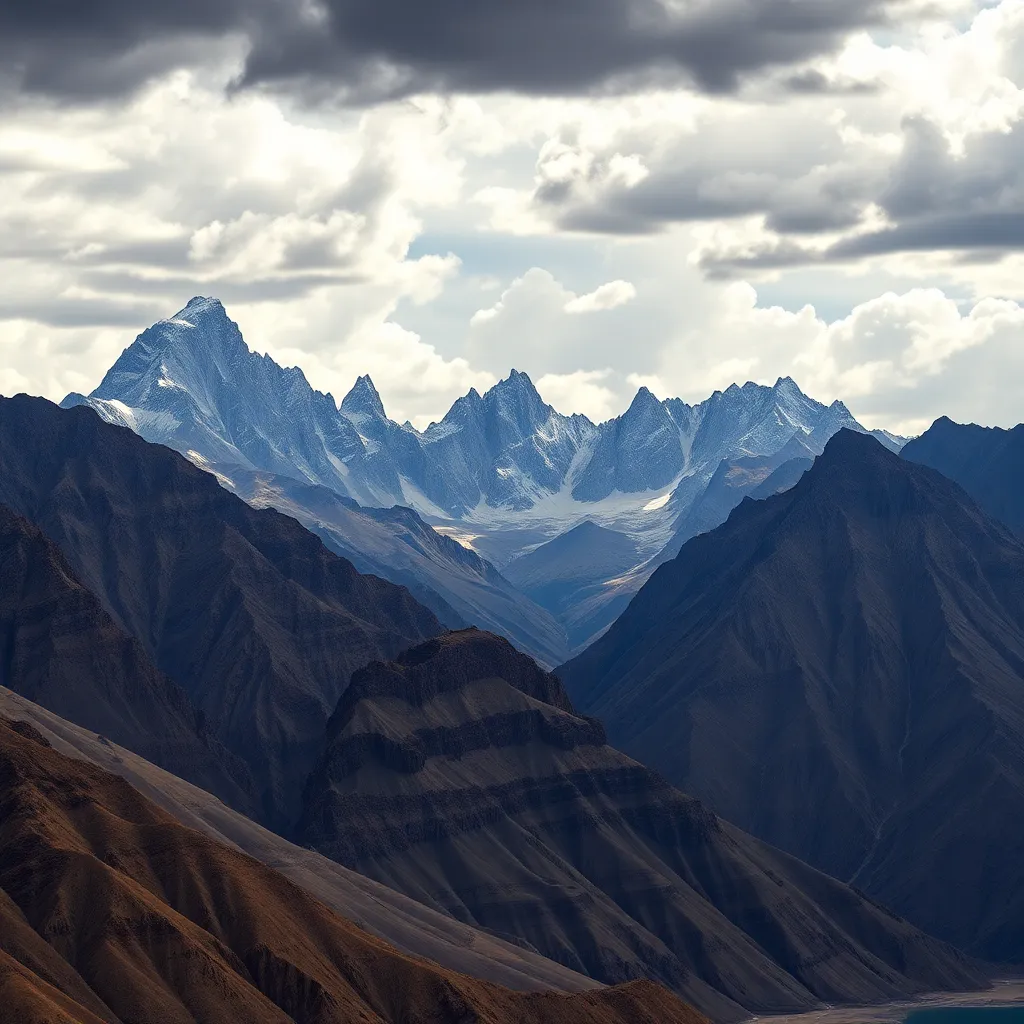
Formation under Neo-Tethys Ocean
Ladakh region existed above the Neo-Tethys Ocean before the Himalayan uplift, where oceanic crust subducted beneath Eurasia leading to formation of the Ladakh Magmatic Arc. This volcanic arc developed from the Jurassic to Eocene period, spanning roughly 201 to 34 million years ago.
Scientific Findings and Rock Chemistry
Researchers analyzed geochemical signatures of rocks from the Dras–Nidar Island Arc Complex and Ladakh Batholith, confirming the arc’s formation through northward subduction of the Neo-Tethys oceanic plate. Changes in magma sources reflected tectonic evolution over time.
Phases of Magmatic Evolution
The arc experienced three major magmatic phases: volcanic island chains in earliest phase, granitic batholith formation in the middle phase, and post-collisional reshaping in the final phase as the Indian Plate collided with Eurasia.
Sources & Further Reading
No source links have been provided for this post.