
Meghalaya State Zoo Records First Birth of Stump-tailed Macaque
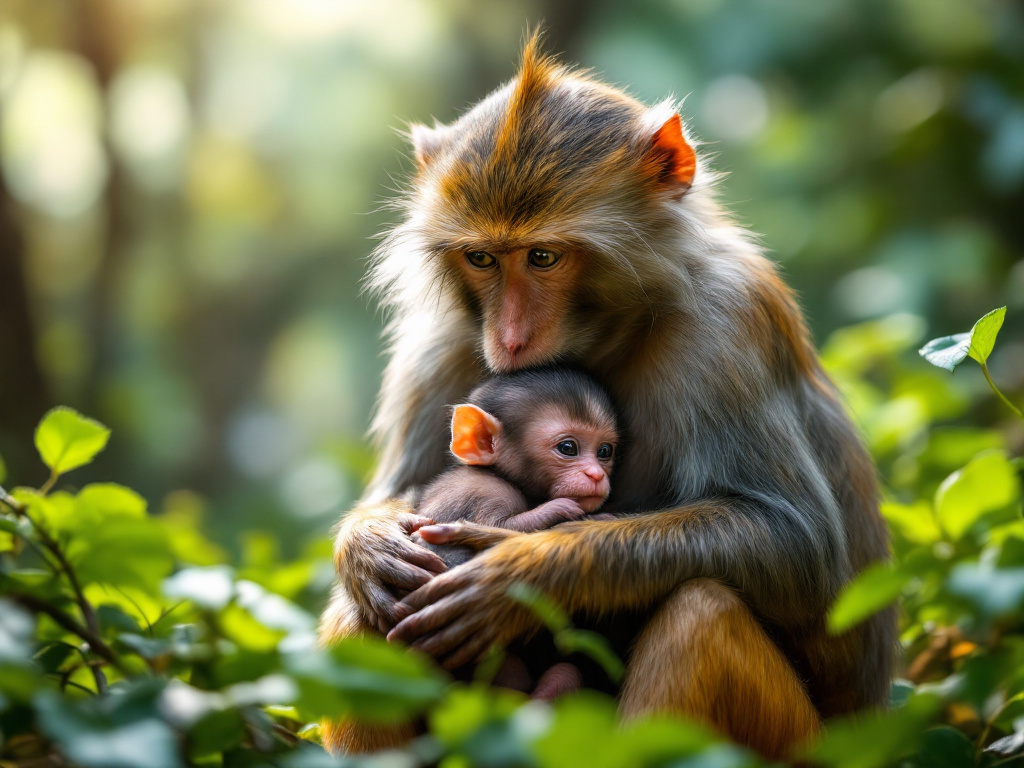
In June 2026, Meghalaya State Zoo in Shillong recorded the first-ever successful birth of a Stump-tailed Macaque (Macaca arctoides), a primate species listed as Vulnerable by the IUCN due to threats like habitat loss and human disturbance. The breeding pair was brought from Aizawl Zoological Park, Mizoram, under an animal exchange program to maintain genetic diversity. The newborn is healthy and is under veterinary observation while staying with its mother and troop. This achievement marks a significant conservation milestone, reflects scientific management and veterinary care at the zoo, and exemplifies ex-situ conservation efforts in the region.
On this page
Key Facts
- The Meghalaya State Zoo recorded its first successful birth of a Stump-tailed Macaque (Macaca arctoides) in June 2026.
- The newborn is healthy and remains with its mother and troop under veterinary observation.
- The breeding pair was introduced from Aizawl Zoological Park in Mizoram via an animal exchange program to maintain genetic diversity.
- The Stump-tailed Macaque is native to South and Southeast Asia and is classified as Vulnerable on the IUCN Red List.
- Threats to the species include habitat loss, forest fragmentation, and human disturbances.
- The Meghalaya State Zoo operates in Shillong under the state forest and wildlife administration, with D. Sathiyan serving as Principal Chief Conservator of Forests (Wildlife & Biodiversity) and Chief Wildlife Warden of Meghalaya.
Background & Context
The Stump-tailed Macaque (Macaca arctoides) is a primate species found in parts of South and Southeast Asia. The species faces increasing threats primarily due to loss and fragmentation of habitat and human interference. Ex-situ conservation programs such as captive breeding in zoological parks help supplement in-situ conservation by maintaining genetically viable populations and preventing extinction of vulnerable species.
Meghalaya State Zoo’s breeding success was possible due to the introduction of a breeding pair from Aizawl Zoological Park in Mizoram under an animal exchange program. Such exchanges are crucial for maintaining genetic diversity in captivity and are common practice among zoological institutions. The successful birth demonstrates adaptation of the species to the new environment and reflects the quality of animal care, husbandry, and veterinary support at the zoo.
Why This Matters for Exams / Exam Relevance
This event exemplifies key concepts in biodiversity conservation such as the importance of ex-situ conservation, captive breeding programs, genetic management through animal exchanges, and scientific zoo management. Understanding species conservation statuses (like Vulnerable under the IUCN Red List) and conservation challenges is vital for environment and ecology sections in competitive exams. Additionally, knowledge of institutional roles, such as that of the Meghalaya State Zoo and officials like D. Sathiyan, is significant for current affairs and biodiversity-related questions.
Points to Remember
- First successful birth of Stump-tailed Macaque at Meghalaya State Zoo in June 2026.
- Breeding pair came from Aizawl Zoological Park, Mizoram through an animal exchange program to preserve genetic diversity.
- The macaque species is scientifically named Macaca arctoides and is listed as Vulnerable on the IUCN Red List.
- Ex-situ conservation involves protection of species outside natural habitats, including captive breeding in zoos.
- D. Sathiyan is the Principal Chief Conservator of Forests (Wildlife & Biodiversity) and Chief Wildlife Warden for Meghalaya.
- Successful captive breeding contributes to conservation research, species management, and public awareness.
Sources & Further Reading
| Document / Website | Link |
|---|---|
| Meghalaya Zoo records first Stump-tailed macaque birth | The Shillong Times | Open Meghalaya Zoo records first Stump-tailed macaque birth | The Shillong Times ↗theshillongtimes.com |
| Meghalaya State Zoo records first-ever birth of Stump-tailed Macaque | UNI India | Open Meghalaya State Zoo records first-ever birth of Stump-tailed Macaque | UNI India ↗www.uniindia.com |
| Ex-Situ Conservation — Botanical Survey of India | Open Ex-Situ Conservation — Botanical Survey of India ↗bsi.gov.in |
| Ex Situ Conservation: Meaning, Methods, Advantages, Disadvantages - UPSC CSE | Open Ex Situ Conservation: Meaning, Methods, Advantages, Disadvantages - UPSC CSE ↗www.nextias.com |