
Prehistoric Acheulo-Yabrudian Cave Discovered Near Fureidis, Israel
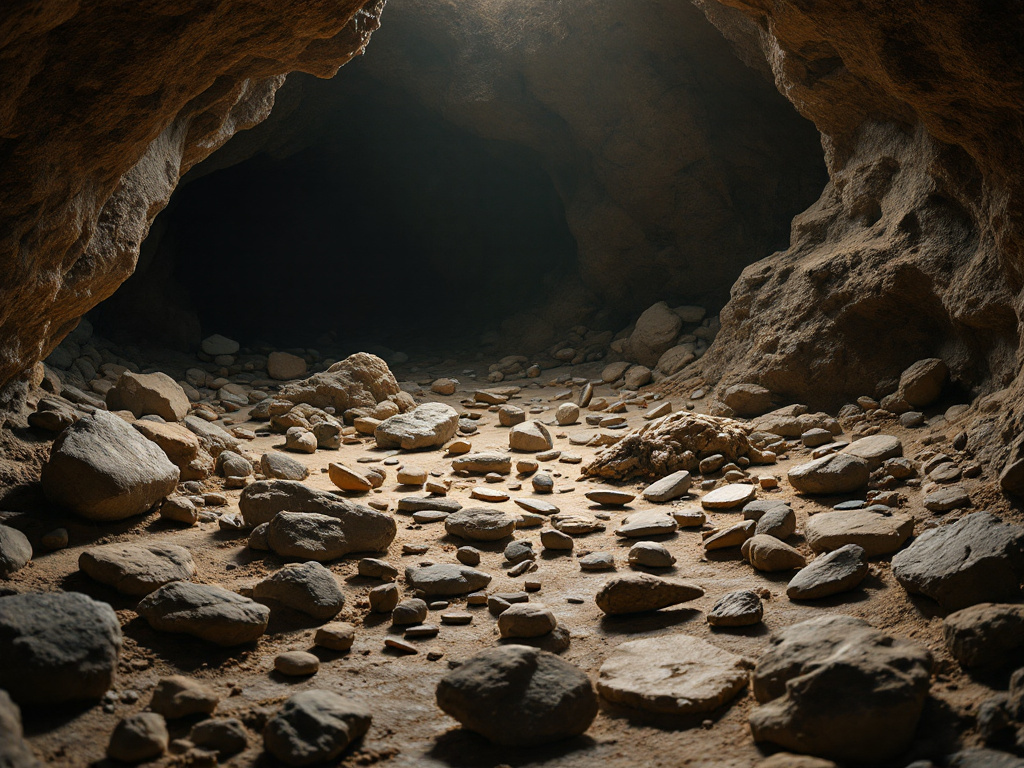
Archaeologists uncovered a prehistoric cave near Fureidis, northern Israel, dating from 400,000 to 250,000 years ago, linked to the Acheulo-Yabrudian culture of the late Lower Paleolithic period. This rare site contains advanced flint tools such as handaxes, scrapers, and blades, along with animal remains and evidence of prolonged human occupation and fire use. The discovery offers crucial insights into early human technological, social, and cultural evolution in the Levant, particularly the transition toward larger groups and more complex behaviors preceding the dominance of Neanderthals and modern humans.
On this page
Key Facts
- Location: Near Fureidis, south of Haifa, Israel, near the Zikhron Ya’akov interchange.
- Date: Approximately 400,000 to 250,000 years ago (late Lower Paleolithic).
- Cultural Attribution: Acheulo-Yabrudian culture, a transitional techno-complex between Lower and Middle Paleolithic in the Levant.
- Excavation: Joint project of Israel Antiquities Authority and University of Haifa, led by Dr. Kobi Vardi, Amit Gabbay, and Professor Ron Shimelmitz.
- Findings: Flint tools including small handaxes, scrapers and blades; animal bones (fallow deer, gazelle, ancient horses, wild cattle, donkeys); traces of fire use and repeated human occupation indicating prolonged, possibly seasonal settlement patterns.
- Environmental Evidence: Presence of water sources within the cave vicinity, supporting ancient hunter-gatherer groups.
- Human Remains: None recovered yet; future excavations may yield important data on human biological transition during this period.
Background & Context
The Acheulo-Yabrudian culture, also known as the Mugharan Tradition, represents a unique techno-complex in the northern and central Levant during the late Middle Pleistocene. It is bracketed between the Acheulian and the Mousterian and is characterized by three main lithic industries: Acheulian (bifacial handaxes), Yabrudian (thick scrapers with Quina retouch), and Amudian (blade production). This culture is critical for understanding the technological, behavioral, and possibly biological transitions from the Lower to Middle Paleolithic periods.
The discovery of this cave near Fureidis provides new, well-preserved evidence reflecting these dynamic patterns of hominin life and tool technology. Findings of fire use and repeated occupation suggest increased social complexity and longer site usage, which is consistent with hypotheses about evolving human behavior at the end of the Lower Paleolithic.
Why This Matters for Exams / Exam Relevance
This discovery is significant for archaeology, anthropology, and prehistoric studies related to the evolution of early human technology and behavior. For competitive exams in history, archaeology and culture, understanding the Acheulo-Yabrudian culture is valuable, as it helps explain the crucial transition phase in human prehistory in West Asia. Exam questions may focus on the cultural characteristics, dating, geographic location, and importance of the Acheulo-Yabrudian period, as well as the tools and archaeological methods involved.
Points to Remember
- The Acheulo-Yabrudian culture dates to approximately 400,000 to 250,000 years ago and marks a transition from Lower to Middle Paleolithic in the Levant.
- The newly discovered cave is located near Fureidis, south of Haifa, Israel, close to the Zikhron Ya’akov interchange.
- Stone tool assemblages include small handaxes, scrapers with Quina or semi-Quina retouch, and blades made from flint.
- Animal remains include fallow deer, gazelle, ancient horses, wild cattle, and donkeys reflecting the paleoenvironment and subsistence strategies.
- Evidence of repeated fire use and human occupation indicates longer stays and possibly complex social organization.
- No human skeletal remains have yet been found, but future excavations may elucidate biological aspects of hominins at this juncture.
- The excavation is a collaboration between the Israel Antiquities Authority and the University of Haifa, with support from Ayalon Highways Company, highlighting interdisciplinary and institutional cooperation in archaeological research.
Sources & Further Reading
| Document / Website | Link |
|---|---|
| Prehistoric Cave Discovery in Northern Israel | Open Prehistoric Cave Discovery in Northern Israel ↗www.gktoday.in |
| Shifting understandings of the Acheulo-Yabrudian complex and the Lower to Middle Paleolithic transition at Tabun Cave | Open Shifting understandings of the Acheulo-Yabrudian complex and the Lower to Middle Paleolithic transition at Tabun Cave ↗www.academia.edu |
| The end of the Lower Paleolithic in the Levant: The Acheulo-Yabrudian lithic technology at Misliya Cave, Israel | Open The end of the Lower Paleolithic in the Levant: The Acheulo-Yabrudian lithic technology at Misliya Cave, Israel ↗www.sciencedirect.com |