
Underwater Archaeological Discovery of 9,000-Year-Old Hunting Structures beneath Lake Huron
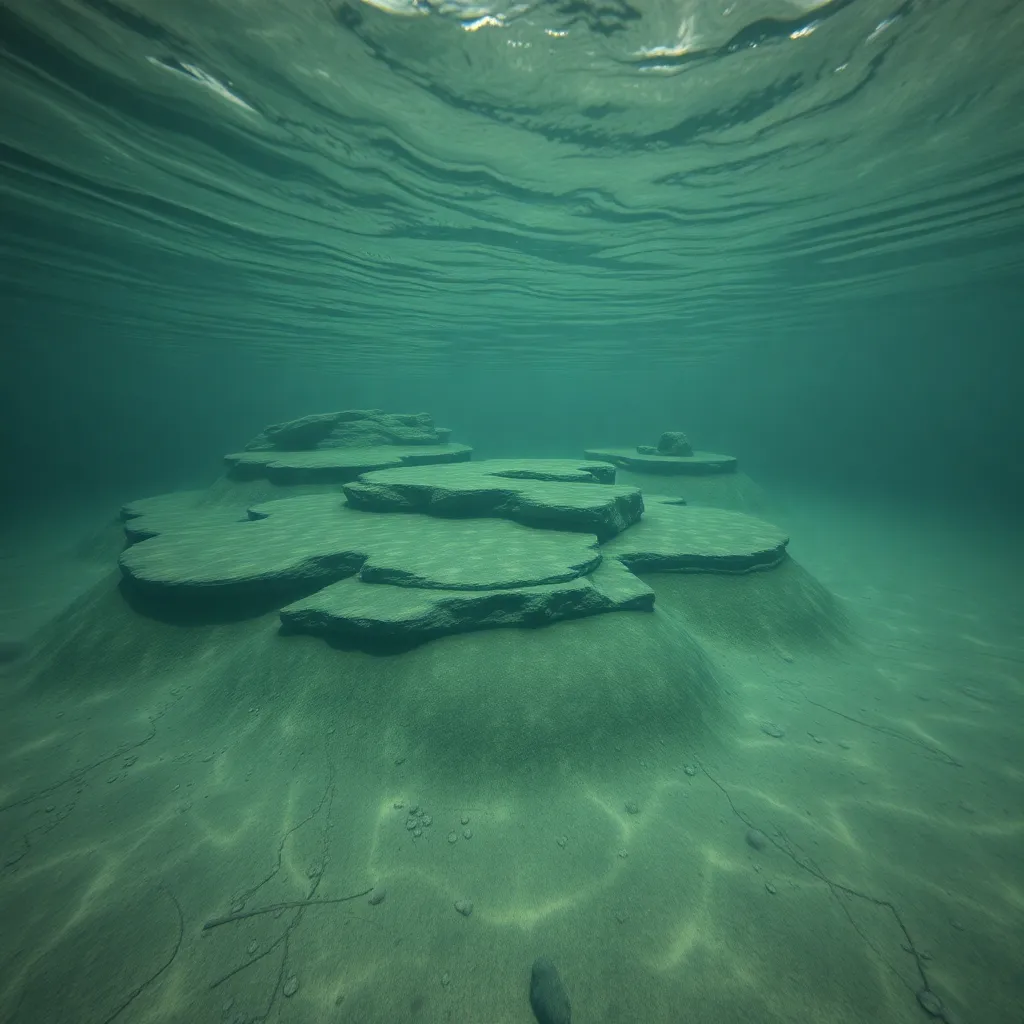
Archaeologists have identified numerous stone structures dating back approximately 9,000 years beneath Lake Huron, North America. These sites are found on the Alpena-Amberley Ridge, a submerged land bridge that once connected northeast Michigan and southern Ontario during the last Ice Age. The structures include drive lanes, hunting blinds, and tool caches used for caribou hunting, providing rare and well-preserved evidence of Paleoindian and early Archaic human activity. Notably, artifacts such as obsidian tools sourced from as far as Oregon highlight prehistoric long-distance trade networks in North America.
On this page
Key Facts
- Archaeological sites dated to about 9,000 years ago have been found beneath Lake Huron.
- These sites are located on the Alpena-Amberley Ridge, a former land bridge exposed during the last Ice Age that connected northeast Michigan and southern Ontario.
- The archaeological features include caribou hunting structures such as drive lanes (long constructed stone alignments used to funnel animals), hunting blinds, and stone caches for tool making.
- The first evidence beneath Lake Huron was identified in 2008-2009 by researchers from the University of Michigan, including archaeologist John O’Shea and Guy Meadows.
- Artifacts recovered include chipped stone tools made from materials not local to the Great Lakes region, such as obsidian traced to Oregon, providing evidence for prehistoric long-distance exchange networks in North America.
- Lake Huron's cold, deep, and low-oxygen waters aid in preserving organic and stone remains for millennia.
- The Paleoindian period represents the earliest known cultural phase in the Americas post-human settlement, followed by the Early Archaic period.
Background & Context
During the last Ice Age, lowering water levels exposed the Alpena-Amberley Ridge, forming a natural corridor connecting parts of what is now Michigan and Ontario. This dry land corridor functioned as a migratory path for caribou herds. Early human groups of the Paleoindian and Early Archaic periods utilized this corridor for hunting, constructing stone drive lanes and blinds to facilitate the capture of caribou. Such structures are well-documented among Arctic and sub-Arctic peoples as effective hunting strategies.
Underwater archaeology uses remote sensing technologies including side-scan sonar, multibeam sonar, remotely operated vehicles (ROVs), and scuba diving surveys to detect and study submerged archaeological sites. The Great Lakes basin, particularly Lake Huron, offers a unique preservation environment for archaeological materials due to its cold, deep, and low-oxygen conditions.
Why This Matters for Exams / Exam Relevance
This discovery is critical for understanding early human adaptation and subsistence strategies in North America during the Late Pleistocene and Early Holocene. It offers examination-relevant examples of:
- Paleoindian cultural phases and archaeological evidence in the Great Lakes region.
- Prehistoric hunting techniques and ecological adaptation, including the use of constructed stone drive lanes and blinds.
- The role of underwater archaeology in revealing submerged prehistoric sites lost to rising water levels post-Ice Age.
- Evidence for prehistoric long-distance trade networks, demonstrated by the presence of obsidian from Oregon in Great Lakes-area archaeological contexts.
- Significance of Ice Age geography and landscape changes, such as land bridges, in human migration and subsistence patterns.
Points to Remember
- The Alpena-Amberley Ridge served as a vital Ice Age land bridge and hunting corridor beneath what is now central Lake Huron.
- More than 80 stone hunting structures, including drive lanes and blinds, have been documented beneath Lake Huron, indicating organized caribou hunting activities about 9,000 years ago.
- Discovery and investigation were carried out by University of Michigan archaeologists starting in 2008–2009, led by John O’Shea and colleagues.
- Stone tools made from non-local lithic materials such as obsidian reveal early long-distance exchange or travel routes extending thousands of kilometers.
- Lake Huron’s cold and oxygen-poor waters provide exceptional conditions for preservation, allowing recovery of organic and stone artifacts.
- The Paleoindian period indicates the initial phase of human presence in North America after the Ice Age, distinguished by specialized hunting adaptations evidenced at sites like Alpena-Amberley Ridge.
Sources & Further Reading
| Document / Website | Link |
|---|---|
| Ice Age Hunting Structures Found Beneath Lake Huron | Open Ice Age Hunting Structures Found Beneath Lake Huron ↗www.gktoday.in |
| Discovering the Submerged Prehistory of the Alpena-Amberley Ridge in Central Lake Huron - NOAA Ocean Exploration | Open Discovering the Submerged Prehistory of the Alpena-Amberley Ridge in Central Lake Huron - NOAA Ocean Exploration ↗oceanexplorer.noaa.gov |
| Lithic Artifacts from Submerged Archaeological Sites on the Alpena-Amberley Ridge | Open Lithic Artifacts from Submerged Archaeological Sites on the Alpena-Amberley Ridge ↗www.academia.edu |