
Rare Yellow Puffball Mushroom Documented in Arunachal Pradesh
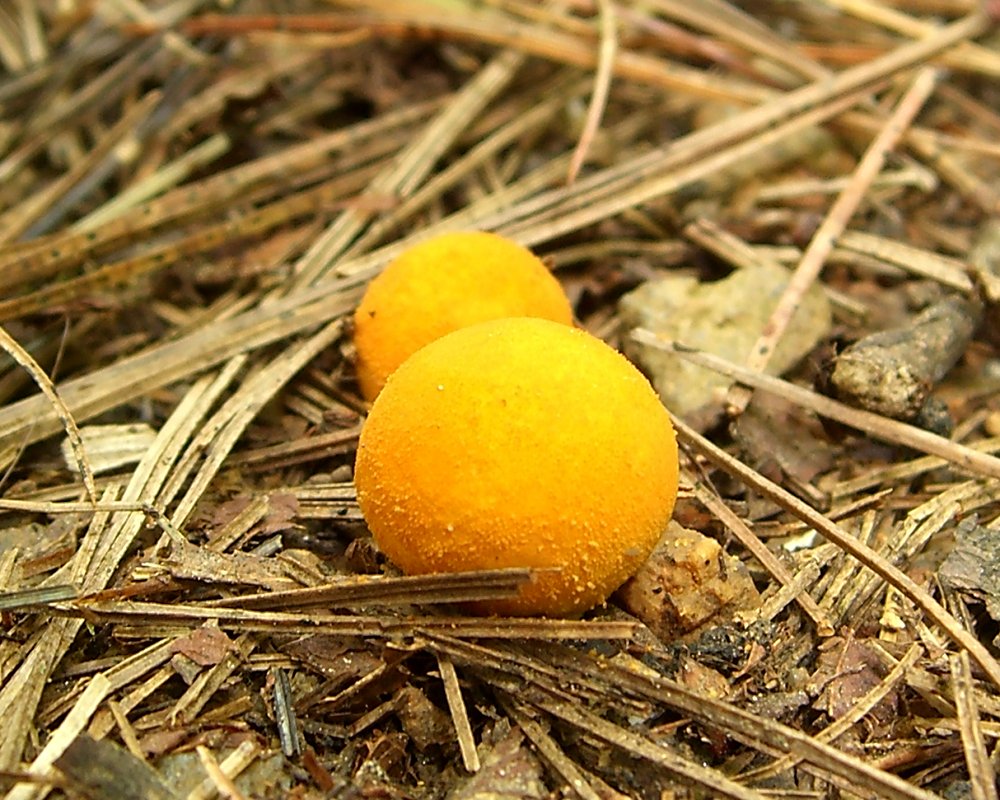
On 4 June 2026, researchers from ICAR Krishi Vigyan Kendra, Longding district, Arunachal Pradesh, documented a rare bright yellow puffball mushroom tentatively identified as Bovista colorata in Zedua village. This discovery potentially marks the first record of this species in the district, highlighting Arunachal Pradesh's rich fungal biodiversity. Puffball fungi produce spores inside a closed fruiting body and play a critical role as decomposers in forest ecosystems by breaking down organic matter and aiding nutrient recycling. Further microscopic and molecular analyses are needed to confirm the species identification definitively.
On this page

Key Facts
- Date of Discovery: 4 June 2026
- Location: Zedua village, Longding district, Arunachal Pradesh
- Organism: Bright yellow puffball mushroom, tentatively identified as Bovista colorata
- Discovering Body: Researchers from ICAR Krishi Vigyan Kendra, Longding
- Significance: Potentially first documented record in Longding district, important addition to regional fungal biodiversity
Background & Context
Arunachal Pradesh, situated in the Eastern Himalayan biodiversity hotspot, encompasses a variety of forest habitats rich in macrofungi, including mushrooms, bracket fungi, and puffballs. Puffball fungi belong to the group that produce spores inside a closed fruiting body rather than on gills or pores; these fruiting bodies are typically spherical or pear-shaped. Bovista colorata is characterized by a vividly yellow, globose fruiting body, falling under the genus Bovista of the family Agaricaceae. While the specimen was tentatively identified based on morphology, definitive confirmation requires microscopic examination and molecular methods, standard practices in fungal taxonomy.
Puffball fungi function mainly as saprobes (decomposers) breaking down organic matter in soil and forest litter, which supports nutrient cycling, carbon recycling, and soil formation essential for forest health.
The Indian Council of Agricultural Research (ICAR) is the apex body overseeing agricultural research in India, and the Krishi Vigyan Kendra (KVK) operates as district-level agricultural extension centers facilitating research and farmer outreach.
Why This Matters for Exams / Exam Relevance
This discovery is relevant in the context of biodiversity conservation, fungal taxonomy, and the ecological role of fungi—topics frequently covered in general studies, environment, and agricultural science sections of various competitive exams. Key points include the role of institutions like ICAR and KVK in research, the significance of discoveries in northeastern India's biodiversity, and fungi's ecological functions in nutrient cycling.
Points to Remember
- ICAR: Indian Council of Agricultural Research, governing agricultural research nationally.
- KVK: Krishi Vigyan Kendra, district-level agricultural extension centers supporting research and education.
- Bovista colorata: Also known as the yellow puffball mushroom, characterized by a bright yellow, spherical fruiting body.
- Puffball fungi: Produce spores inside a closed fruiting body, which opens or ruptures to release spores upon maturity.
- Ecological role: Fungal decomposers are critical in breaking down organic matter, facilitating nutrient recycling, carbon cycling, and soil formation.
- Location: Arunachal Pradesh is part of the Eastern Himalayas, a biodiversity hotspot with rich fungal diversity.
- Scientific process: Identification of fungi requires morphological and molecular methods for accuracy.
Sources & Further Reading
| Document / Website | Link |
|---|---|
| Yellow Puffball Mushroom Documented in Arunachal Pradesh | Open Yellow Puffball Mushroom Documented in Arunachal Pradesh ↗www.gktoday.in |
| Rare yellow puffball mushroom spotted in Arunachal's Longding | Times of India | Open Rare yellow puffball mushroom spotted in Arunachal's Longding | Times of India ↗timesofindia.indiatimes.com |