
Delhi Pollution Control Committee launches Road RADAR for real-time air pollution monitoring
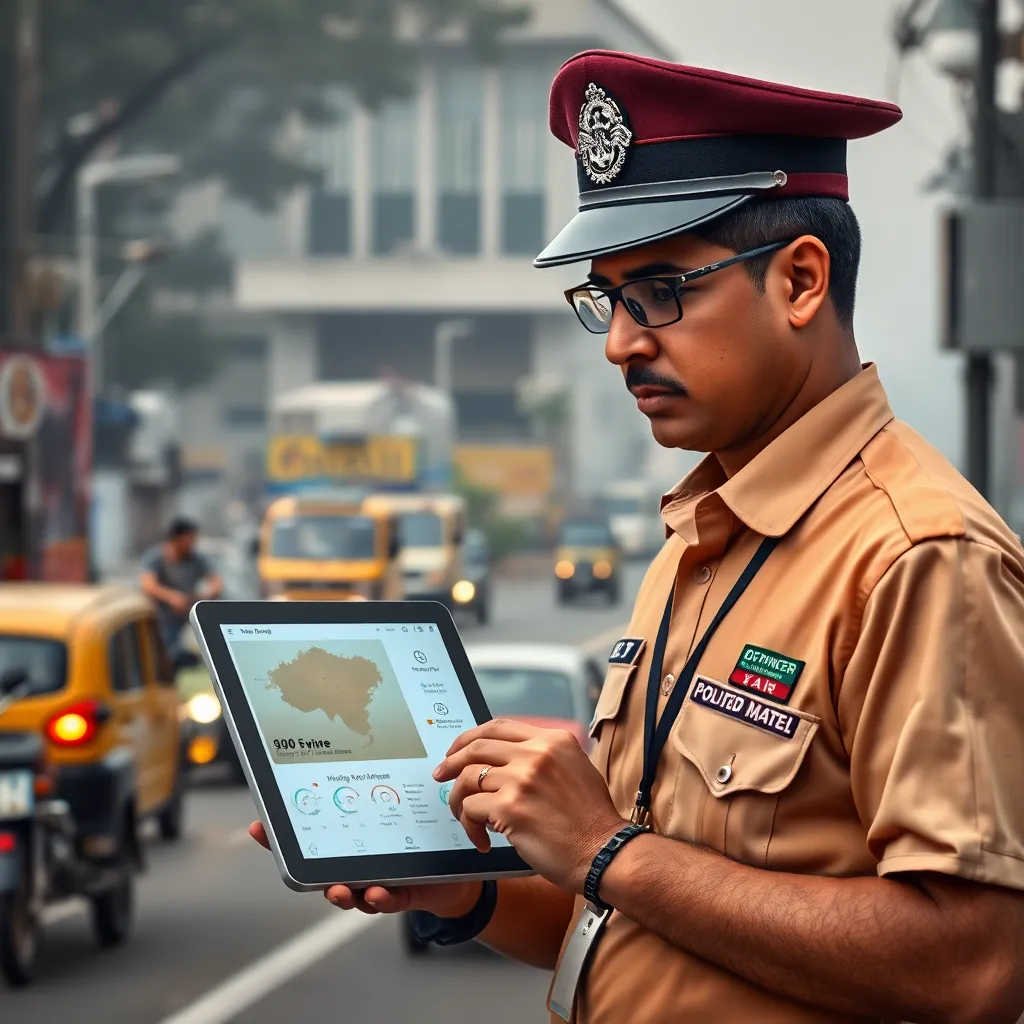
On May 8, 2026, the Delhi Pollution Control Committee (DPCC) inaugurated the Road RADAR initiative to identify and address sources of air pollution on Delhi’s roads. The program involves 13 surveyors, each assigned to a Delhi district, using geo-tagged reporting via the MCD-311 mobile app to conduct daily field surveys. It targets approximately 70 pollution-related issues per surveyor daily, covering 11 pollution categories such as road dust, biomass burning, plastic burning, potholes, and construction waste. About 18,000 km of roads are inspected monthly. Reported complaints are automatically forwarded to relevant authorities for prompt action, with measures to prevent duplicate reports.
On this page
Key Facts
- Launched on 8 May 2026 by the Delhi Pollution Control Committee (DPCC).
- Road RADAR stands for Real-time Air Pollution Detection Across Roads.
- Employs 13 dedicated surveyors, one per district of Delhi.
- Surveyors use MCD-311 mobile application to submit geo-tagged daily field reports.
- Targets a daily minimum of 70 pollution-related issues per surveyor, totalling about 1,000 daily.
- Monthly coverage spans approximately 18,000 km of Delhi roads across multiple municipal wards and agencies.
- Monitors 11 categories of air pollution sources: road dust, broken footpaths, potholes, loose roadside material, unregulated parking lots, garbage, biomass burning, plastic burning, construction and demolition waste, barren roadsides.
- Complaint reports are automatically routed to respective authorities for redressal, with duplication safeguards.
Background & Context
Delhi suffers from severe air pollution due to multiple urban sources like vehicular emissions, road dust, biomass and plastic burning, and construction waste. The DPCC, established in 1991 under relevant environmental acts, functions as the statutory pollution monitoring and regulatory body in the National Capital Territory. While prior monitoring systems existed, Road RADAR enhances on-ground surveillance by daily, geo-tagged road-level monitoring and rapid linkage of issues to authorities for corrective action.
Why This Matters for Exams / Exam Relevance
Road RADAR exemplifies a contemporary government effort integrating technology with field enforcement to manage urban air pollution—a topic relevant to environmental governance, pollution control mechanisms, and civic technology in current affairs. Key exam-relevant points include the DPCC's role, use of geo-tagging, mobile applications like MCD-311 for civic grievance redressal, and the identified pollution sources. Knowledge of such initiatives can be useful in questions on environmental policy and urban governance.
Points to Remember
- Road RADAR launched on 8 May 2026 by the Delhi Pollution Control Committee.
- Includes 13 surveyors, each covering one district using the MCD-311 app for geo-tagged reports.
- Focuses on 11 pollution categories including road dust, biomass/plastic burning, potholes, and construction debris.
- Aims for minimum 70 geo-tagged complaints per surveyor daily, roughly 1,000 across Delhi.
- Covers around 18,000 km of roads every month.
- Complaint reports are sent automatically to concerned authorities with duplication avoidance.
Sources & Further Reading
| Document / Website | Link |
|---|---|
| Government launches Road RADAR to identify air pollution sources - The Hindu | Open Government launches Road RADAR to identify air pollution sources - The Hindu ↗www.thehindu.com |
| Delhi Pollution Control Committee launches Road RADAR to track pollution | Open Delhi Pollution Control Committee launches Road RADAR to track pollution ↗www.gktoday.in |
| Delhi Pollution Control Committee Official Website | Open Delhi Pollution Control Committee Official Website ↗dpcc.delhi.gov.in |
| Air pollution in Delhi: Its Magnitude and Effects on Health - PMC | Open Air pollution in Delhi: Its Magnitude and Effects on Health - PMC ↗pmc.ncbi.nlm.nih.gov |