
Delhi Uses Processed Legacy Waste for Land Reclamation to Address Waterlogging
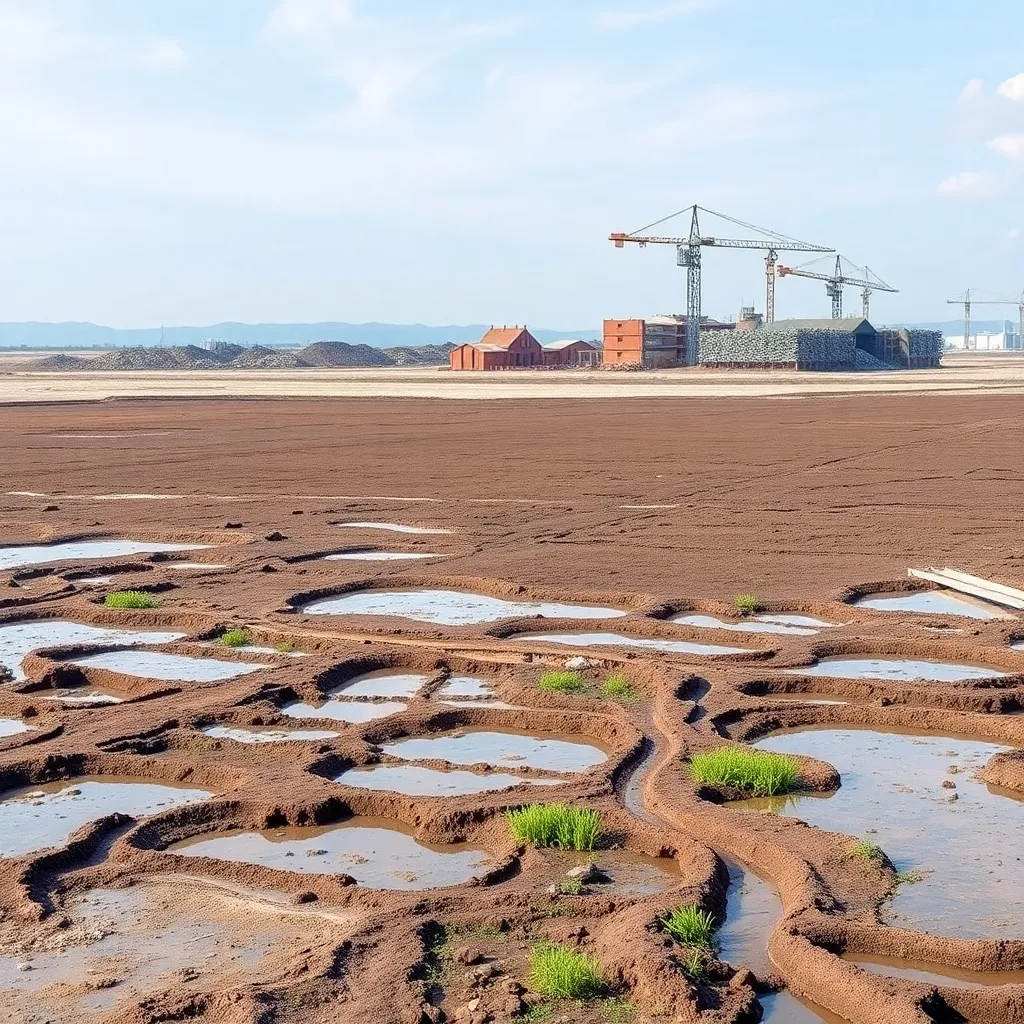
Delhi has utilized processed legacy waste from the Bhalswa landfill to reclaim low-lying waterlogged areas in North-West Delhi, employing biomining techniques that segregate and recover materials from old municipal solid waste. Between April 2025 and February 2026, approximately 74.11 lakh metric tonnes of legacy waste was remediated, contributing to reclaiming about 75 acres of land. This initiative forms part of a broader plan to eliminate major landfill sites — targeting Okhla and Bhalswa by 2026, and Ghazipur by 2027 — and is linked with the 2025 Delhi Drainage Master Plan aimed at mitigating chronic waterlogging and flooding through sustainable drainage management.
On this page
Key Facts
- Delhi has three major landfill sites: Bhalswa, Okhla, and Ghazipur.
- Processed legacy waste from Bhalswa landfill is being used to fill low-lying waterlogged areas in Roop Vihar and Sharma Colony in North-West Delhi.
- Biomining, a process that scientifically segregates and recovers material from old waste, has reached a capacity of nearly 35,000 metric tonnes per day by December 2025.
- Between April 2025 and February 2026, about 74.11 lakh metric tonnes of legacy waste was remediated.
- As of May 2026, approximately 195 lakh metric tonnes of waste had been cleared from landfill sites and around 75 acres of land reclaimed through these remediation operations.
- The Municipal Corporation of Delhi aims to eliminate Okhla and Bhalswa landfills by 2026 and Ghazipur by 2027.
- Delhi unveiled a Drainage Master Plan in September 2025 with an estimated cost exceeding ₹7,000 crore, designed as a 30-year comprehensive drainage framework for the National Capital Territory of Delhi.
- One-third of the reclaimed land from landfill sites has been earmarked for public welfare projects including hospitals, schools, and sports complexes.
Background & Context
Legacy waste refers to the old municipal solid waste accumulated at landfill sites over several years. Biomining is an advanced scientific method that processes and recovers materials from these waste dumps, allowing for reuse or safe disposal and enabling land reclamation efforts. Delhi faces significant urban flooding and waterlogging challenges due to inadequte drainage infrastructure and encroachment on natural drainage paths. The landfill remediation and land reclamation initiatives contribute both to environmental cleanup and to alleviating urban waterlogging issues.
Why This Matters for Exams
This case exemplifies India's urban environmental management approach, including tackling legacy waste through biomining, government strategies to eliminate landfill sites, and large-scale urban drainage planning. Understanding the specifics of Delhi's landfill remediation timeline, biomining capacity, drainage master plan objectives, and public infrastructure development on reclaimed land is essential for questions related to environment, urban planning, and sustainable development in competitive exams.
Points to Remember
- Bhalswa, Okhla, and Ghazipur are the three major landfill sites in Delhi targeted for closure by 2026 (Okhla, Bhalswa) and 2027 (Ghazipur).
- Biomining capacity at Delhi landfills increased to about 35,000 metric tonnes per day by late 2025.
- By early 2026, over 74 lakh metric tonnes of legacy waste was processed through biomining, contributing to significant land reclamation.
- The 2025 Delhi Drainage Master Plan invests over ₹7,000 crore in a 30-year program to address waterlogging and flooding issues.
- Reclaimed land is being allocated for public welfare infrastructure, indicating integration of environmental remediation with urban development goals.
- Challenges remain due to continued fresh waste dumping that affects remediation pace.
Sources & Further Reading
| Document / Website | Link |
|---|---|
| Delhi uses legacy waste for waterlogged land reclamation | Open Delhi uses legacy waste for waterlogged land reclamation ↗www.gktoday.in |
| Delhi accelerates landfill cleanup, targets removal of waste sites by 2026–27 | Open Delhi accelerates landfill cleanup, targets removal of waste sites by 2026–27 ↗www.indiatimes.com |
| Drainage Master Plan for NCT of Delhi Final Report July 2018 | Open Drainage Master Plan for NCT of Delhi Final Report July 2018 ↗ifc.delhi.gov.in |
| What experts say on Delhi Drainage Master Plan 2025 | Open What experts say on Delhi Drainage Master Plan 2025 ↗indianexpress.com |